

fast delivery
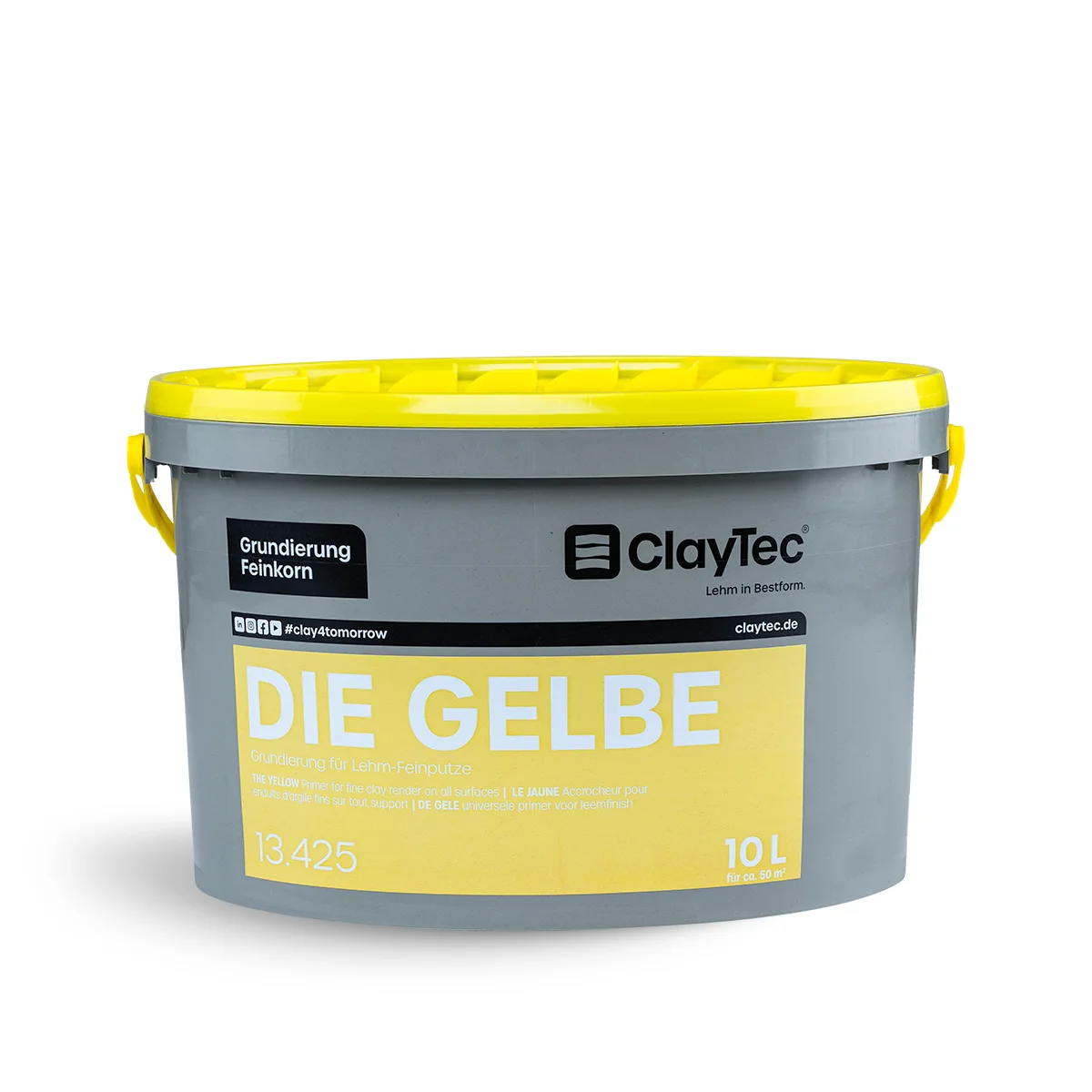
Primer DIE GELBE fine
Fine-grained bonding primer before fine clay plasters and YOSIMA clay design plaster, the bind…
from54,99 €
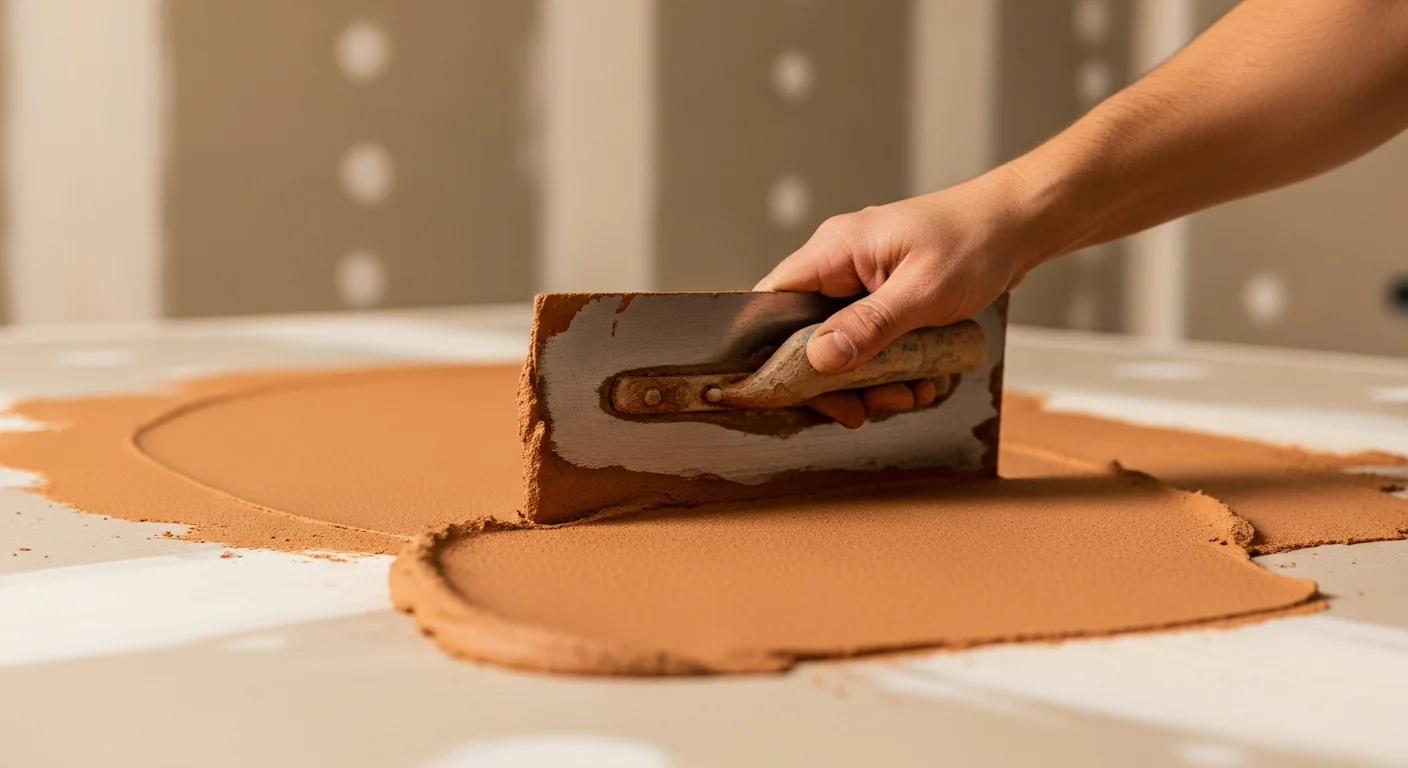
Clay plaster can be applied permanently and reliably on Rigips, plasterboard and gypsum fibreboard (Fermacell). The prerequisite is careful substrate preparation with a suitable bonding primer and, for larger areas, reinforcement with Glass fibre fabric. Anyone who keeps to this build-up gets vapour-permeable, moisture-regulating wall surfaces with the proven advantages of clay plaster: balanced indoor climate, antistatic effect and natural aesthetics.
This is what you need for Rigips, plasterboard and Fermacell, in the order in which you apply it: bonding primer, adhesive and reinforcing mortar with fabric, then clay finishing plaster and, if desired, YOSIMA as fine plaster.
Fine-grained bonding primer before fine clay plasters and YOSIMA clay design plaster, the bind…
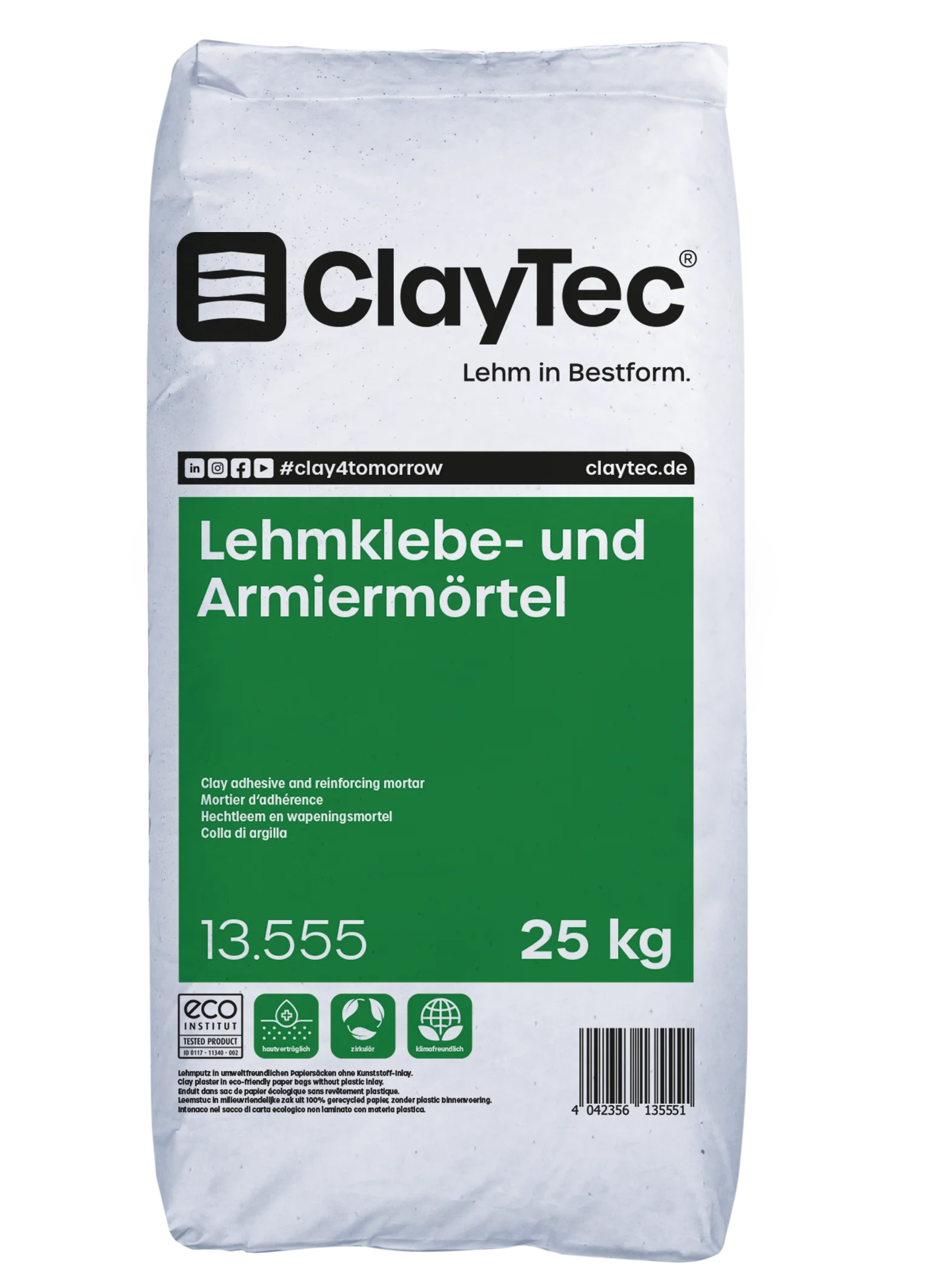
ClayTec clay adhesive and reinforcing mortar is a versatile high-performance mortar for th…
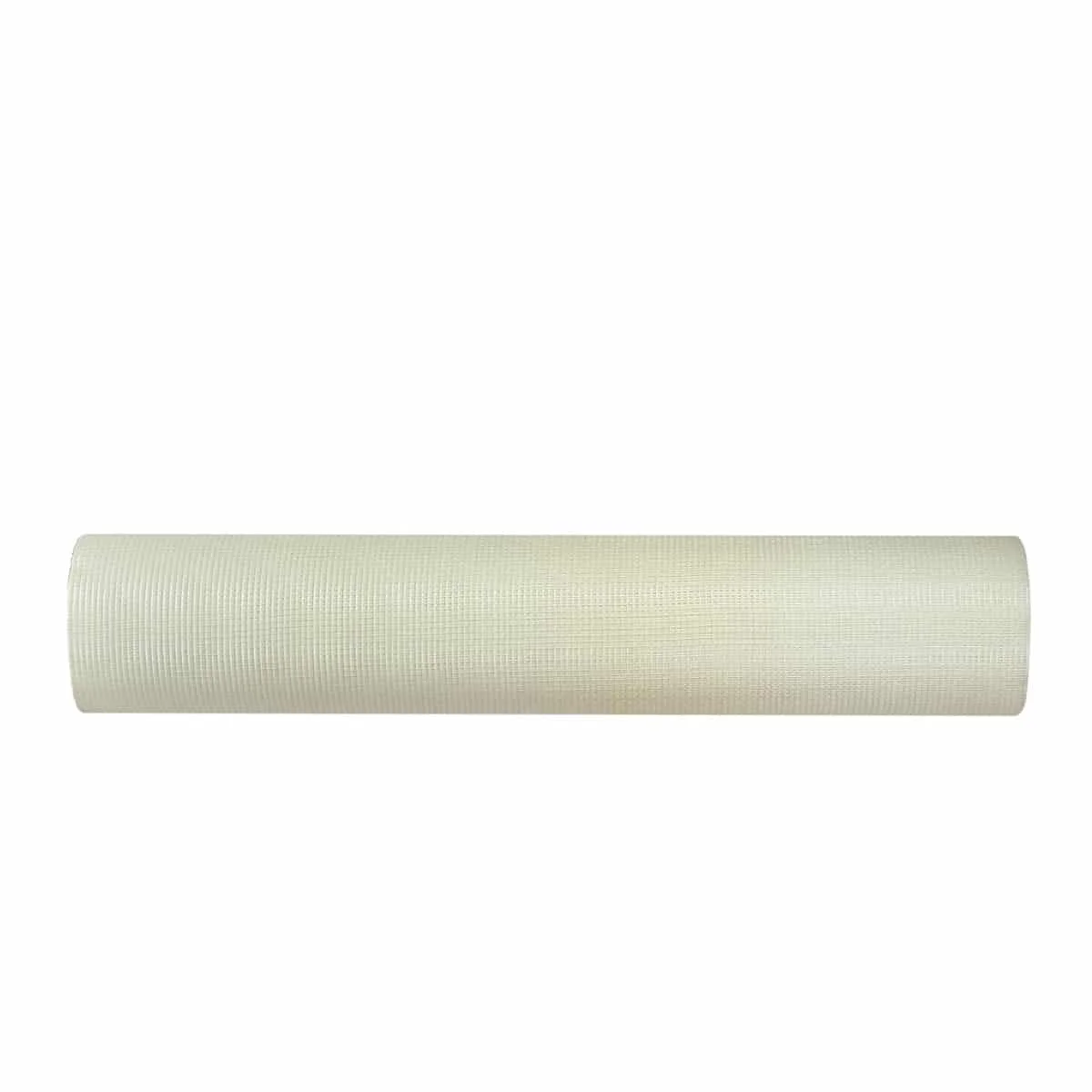
Glass fibre fabric 112 g/m² for reinforced reinforcement of clay plasters, especially for heavily st…
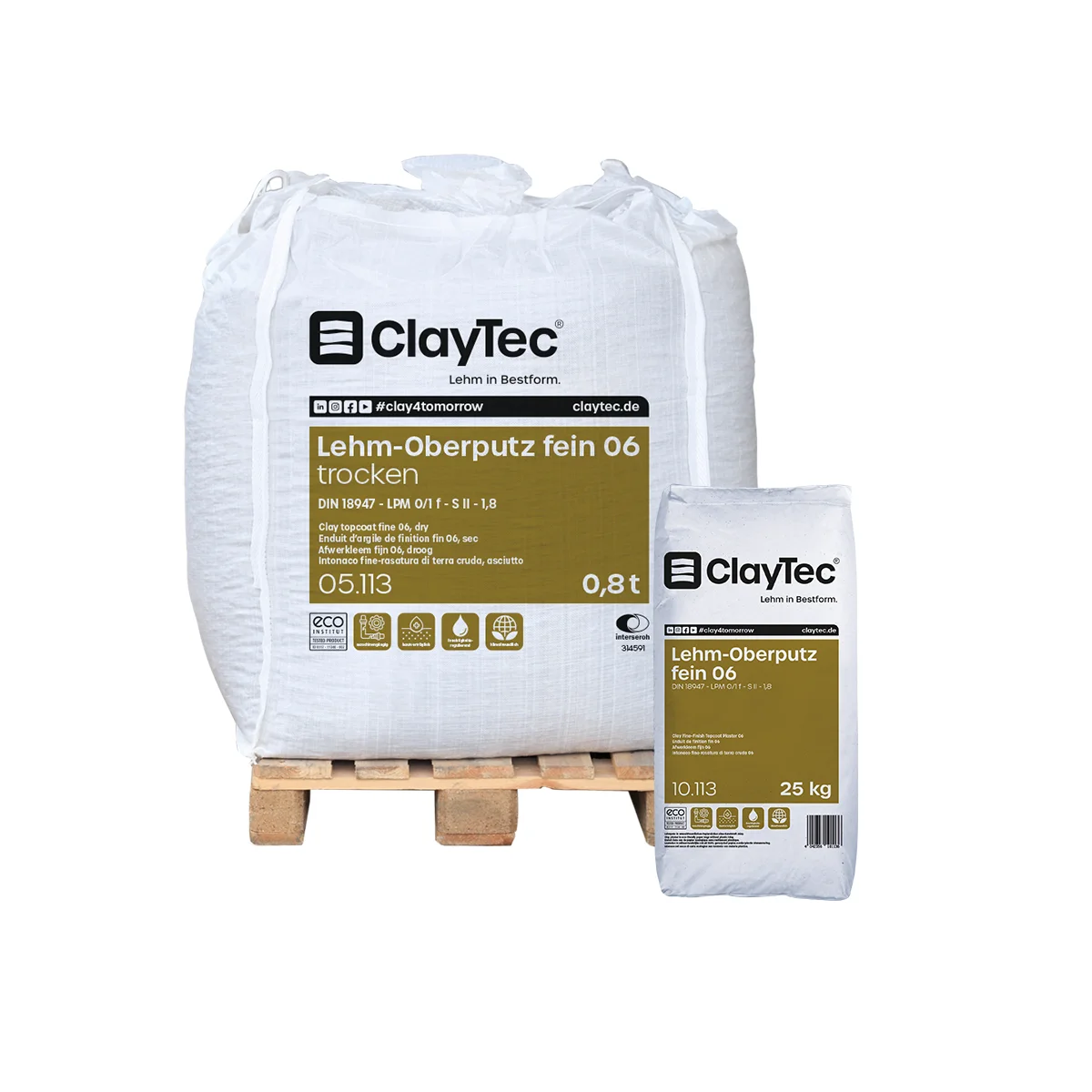
Fine thin-layer plaster for final coats 2–3 mm thick.
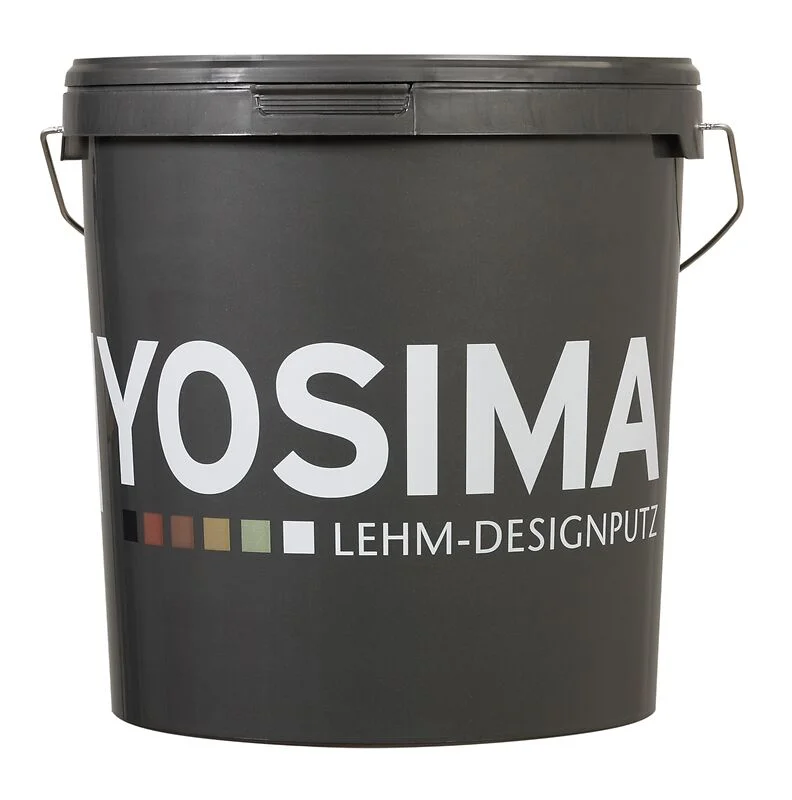
YOSIMA clay design plaster is coloured wall design with natural clay and loam. The clay…
Clay is one of humanity's oldest building materials and has been experiencing a clear renaissance in interior fit-out for some years. Builders and renovators value its natural properties especially in bedrooms, children's rooms and living rooms.
Clay plaster has a very high sorption capacity: it can absorb moisture from the indoor air and release it again when the air is dry. This stabilises the relative humidity in the room at comfortable values. The surface remains permanently vapour-permeable, contains no synthetic binders and is antistatic; dust adheres much less than to many paints containing plastics. In addition, clay reflects light very softly and creates a calm, warm atmosphere.
Modern interior fit-outs consist of drywall constructions with plasterboard, colloquially called Rigips. The most important question is therefore: can clay plaster be applied to Rigips or Fermacell? The short answer is yes, with the right preparation.
In everyday language, the term Rigips is used as a general name for plasterboard. Technically, these are boards with a gypsum core covered with paper on both sides. Plasterboard is used very versatilely in interior fit-out: for interior walls, ceiling linings, attic conversions, installation walls and facing leaves.
Another board used is Fermacell. This is a gypsum fibreboard that additionally contains cellulose fibres and is therefore considerably denser and more stable than classic plasterboard.
For clay plaster it is important to understand that both systems are absorbent and behave differently with moisture than mineral substrates such as lime or cement plaster. Fresh clay plaster contains a lot of water. If this water penetrates the board uncontrolled, in the worst case slight waves can form in plasterboard. A suitable primer is therefore decisive.
In most cases, clay plaster should not be applied directly to untreated plasterboard or Fermacell. The substrate is too smooth and highly absorbent. Without preparation the plaster can adhere poorly, and stresses arise between the different materials.
There are exceptions with very thin clay paint plasters. These are applied only a few millimetres thick and can in some cases be applied directly with a suitable bonding primer. For most residential applications, however, bonding primer and reinforcement provide considerably more security and durability.
Before plastering, the drywall surface should be checked carefully. The boards must be firmly screwed and must not move. The joints should be completely filled and sanded. The surface must be clean, dry and dust-free. Loose paper fibres or damage should be removed.
If there are already emulsion paints or old coatings on the surface, adhesion must be checked. It makes sense to remove such coatings or apply a suitable bonding bridge.
A suitable bonding primer is the most important step for a lasting bond between drywall board and clay plaster. The bonding primer reduces the absorbency of the substrate, creates a grippy surface and improves adhesion between plasterboard and clay.
Mineral bonding bridges with a granular structure have proven themselves. The proven product is the Primer DIE GELBE from ClayTec. This fine-grained bonding primer creates a grippy surface on smooth or unevenly absorbent substrates such as plasterboard, gypsum fibreboard and lime or gypsum plasters. It also evens out absorbency and protects the board from moisture from the clay plaster application.
The bonding primer is applied evenly with a roller or brush and must dry completely, at least 48 hours, before the plaster is applied.
For larger wall areas or thicker plaster layers, reinforcement is highly recommended. Here a Glass fibre fabric embedded in a first thin plaster layer. This reinforcement prevents stresses in the material and considerably reduces the risk of cracks.
The typical build-up looks like this: bonding primer on the drywall board, a first thin clay layer of about three to five millimetres, embedding of the Glass fibre fabric, light reworking of the surface. Especially at the board joints, an additional strip of mesh embedded directly over the joint is recommended. This layer should then dry thoroughly before the top coat is applied.
After reinforcement comes the actual top coat. Depending on the product and the desired effect, layer thicknesses between two and eight millimetres are applied. Suitable materials are clay top plasters, clay fine plasters and clay paint plasters.
For particularly high-quality surfaces, the recommendation is YOSIMA clay design plaster from ClayTec is used. This coloured plaster contains only natural clays, sands and pigments, without synthetic dyes. It creates very calm, matt wall surfaces in warm earth tones and is particularly popular in living rooms and bedrooms. The surface can be smoothed, felted or lightly textured.
Clay dries purely physically by evaporation of water; unlike cement or lime, there is no chemical setting reaction. That is why an even indoor climate during the drying phase is decisive.
Good air circulation supports drying. Direct draughts, strong sunlight or fan heaters directly in front of the wall should, however, be avoided. They can cause stress cracks. As a rough guide, allow about one to two days of drying time per millimetre of plaster thickness. Drying too slowly in damp rooms, on the other hand, can encourage mould.
A typical mistake is leaving out the bonding primer. Without a suitable bonding bridge, the plaster can later partly detach, especially if the drywall boards are still new and very absorbent.
Missing reinforcement leads to cracks along the board joints because plasterboard and clay plaster move differently with fluctuations in temperature and moisture. Plaster layers that are too thick in one application also increase the risk of cracking. Anyone who observes these points gets a very stable and durable clay surface.
An interesting alternative to clay plaster on Rigips is clay boards. These boards consist of clay and plant fibres and are mounted in a similar way to drywall boards. After mounting, the joints are reinforced and then a thin clay top plaster is applied.
The advantage is that a completely mineral wall is created. The clay mass of the boards also improves moisture regulation and noticeably increases the heat storage capacity of the wall. This system build-up is particularly valuable in bedrooms and children's rooms.
| Layer | Material | Thickness | Note |
|---|---|---|---|
| 1. Bonding primer | Primer DIE GELBE fine (ClayTec) | thin, over the full surface | Even out absorbency, let dry completely |
| 2. Reinforcement layer | Clay adhesive and reinforcing mortar + glass fibre fabric | 3–5 mm | Embed the fabric in moist mortar, double reinforce joints |
| 3. Finishing plaster | Clay finishing plaster FEIN 06 (ClayTec) | 2–3 mm | apply evenly, smooth the surface |
| 4. Fine plaster (optional) | YOSIMA clay design plaster (ClayTec) | 2 mm | natural shades, Japanese trowel or steel smoother |
In the greater Achim and Bremen area, numerous new builds and conversions with plasterboard drywall constructions are being built. Lehm-Revival supplies craftsmen and homeowners in Lower Saxony and the Bremen area with suitable clay building materials for drywall applications, including primer, reinforcing mesh and clay plaster by parcel or haulier. For projects in the Achim region I also offer personal on-site advice on material selection and application.
For plasterboard you need primer, reinforcement and a suitable fine plaster. On the purchase page these components are listed in the order in which you apply them.
Buy clay plasterThe primer DIE GELBE fine from ClayTec has proven itself. It creates a fine-grained, grippy surface on smooth plasterboard, evens out absorbency and protects the board from moisture from the clay plaster application. The primer is applied with a roller or brush and must dry completely, at least 48 hours.
For larger wall areas and thicker plaster layers, yes. Plasterboard and clay plaster move differently with fluctuations in temperature and moisture; without mesh, the plaster cracks along the board joints. An additional strip of mesh goes over every board joint.
Products in the shop
Knowledge articles
To take away: the free clay building diary with drying log.
Download free of charge