
fast delivery
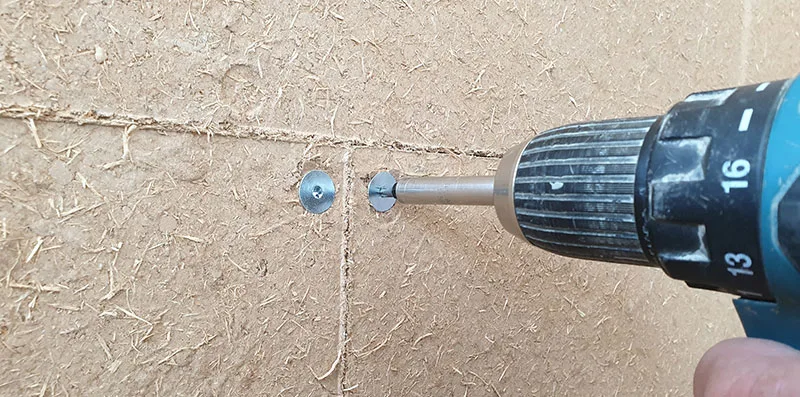
LEMIX clay board screws
LEMIX clay board screws for securely fixing clay boards to wooden sub…
22,99 €
In timber frame renovation and timber construction, the right connection technique decides load-bearing capacity, durability and clean details.
12 products in Fixing material
LEMIX clay board screws for securely fixing clay boards to wooden sub…
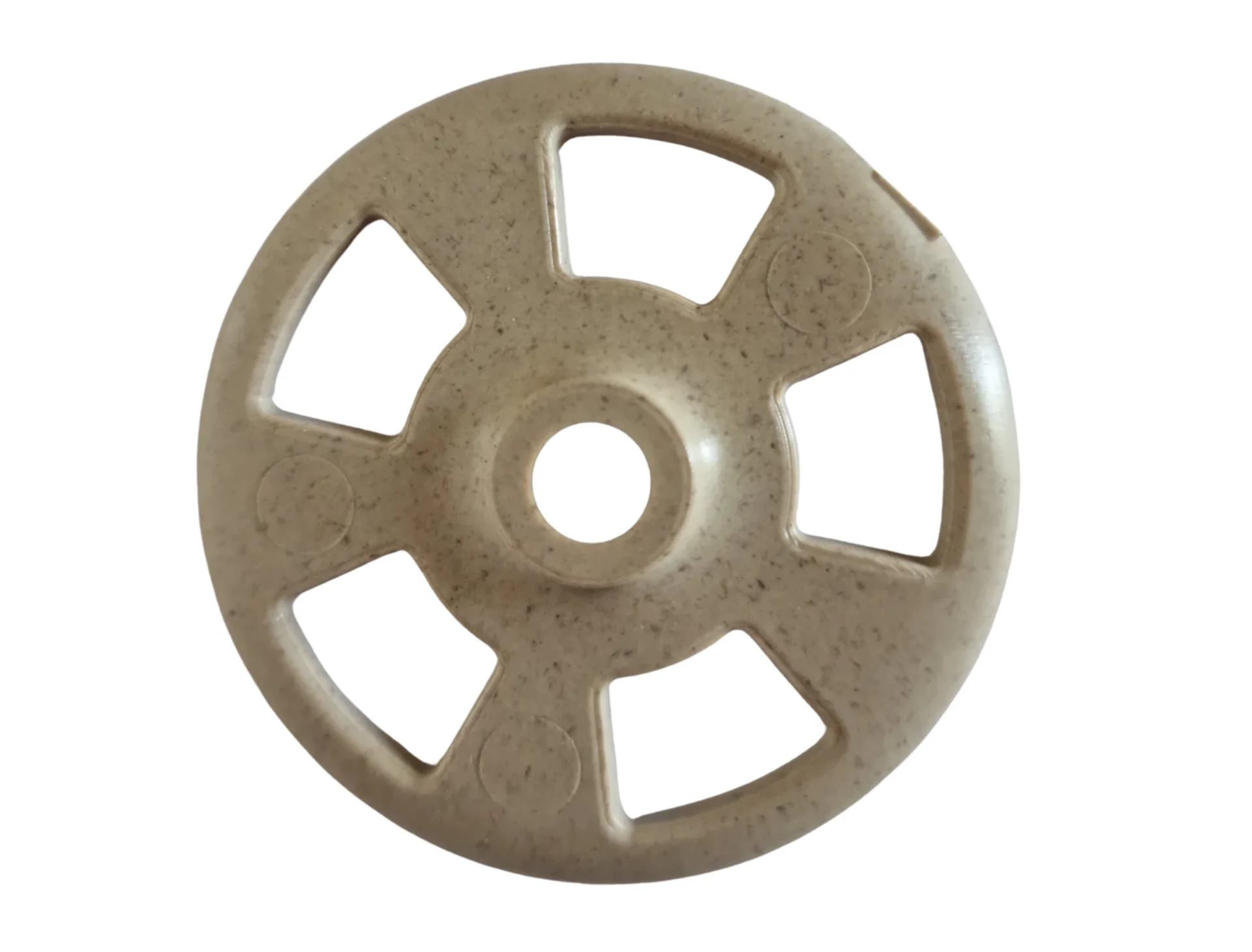
The Naturwerk insulation washer is a bio-based fixing material for fixing suitab…
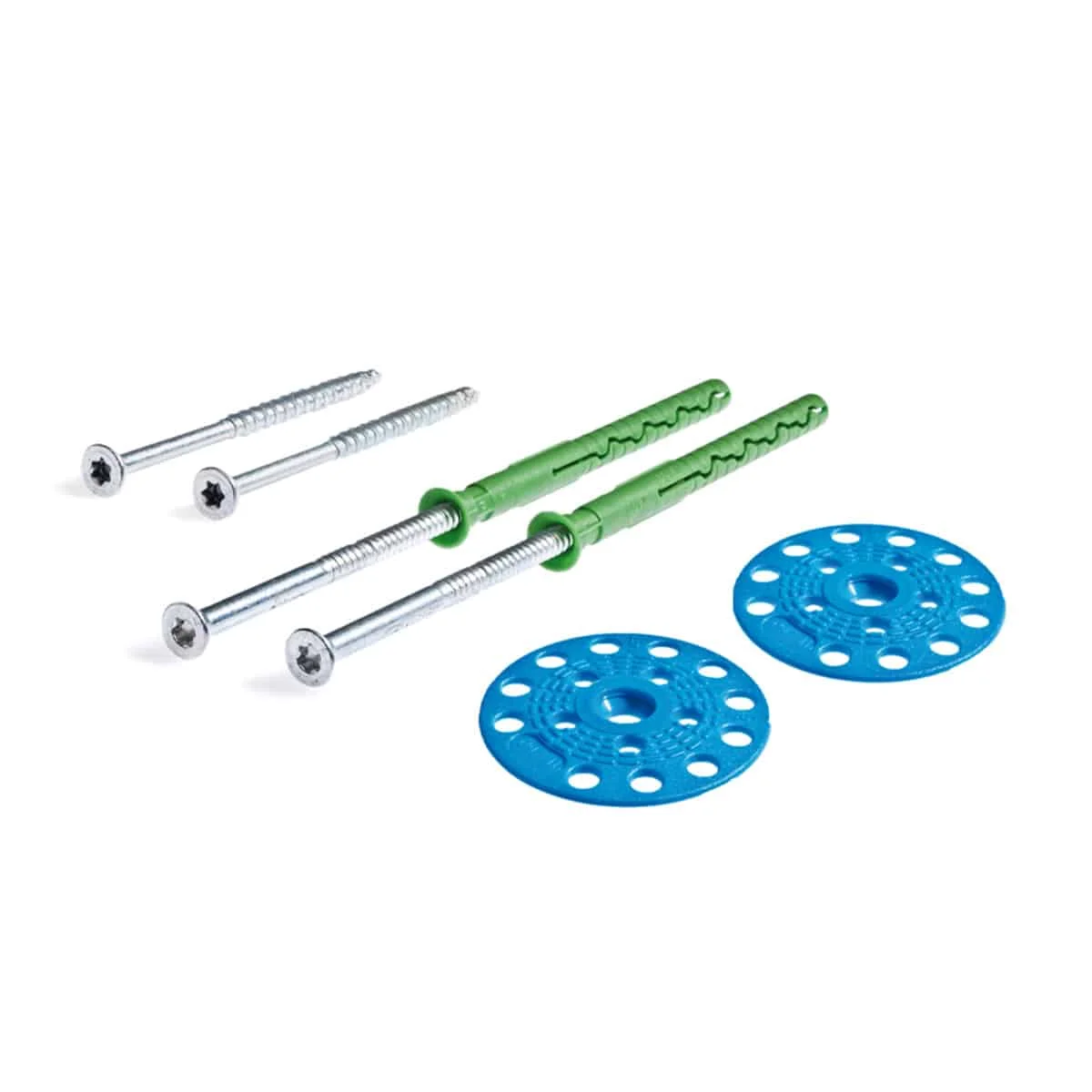
Insulation washer D=60mm to avoid thermal bridges when fixing insulation materials…
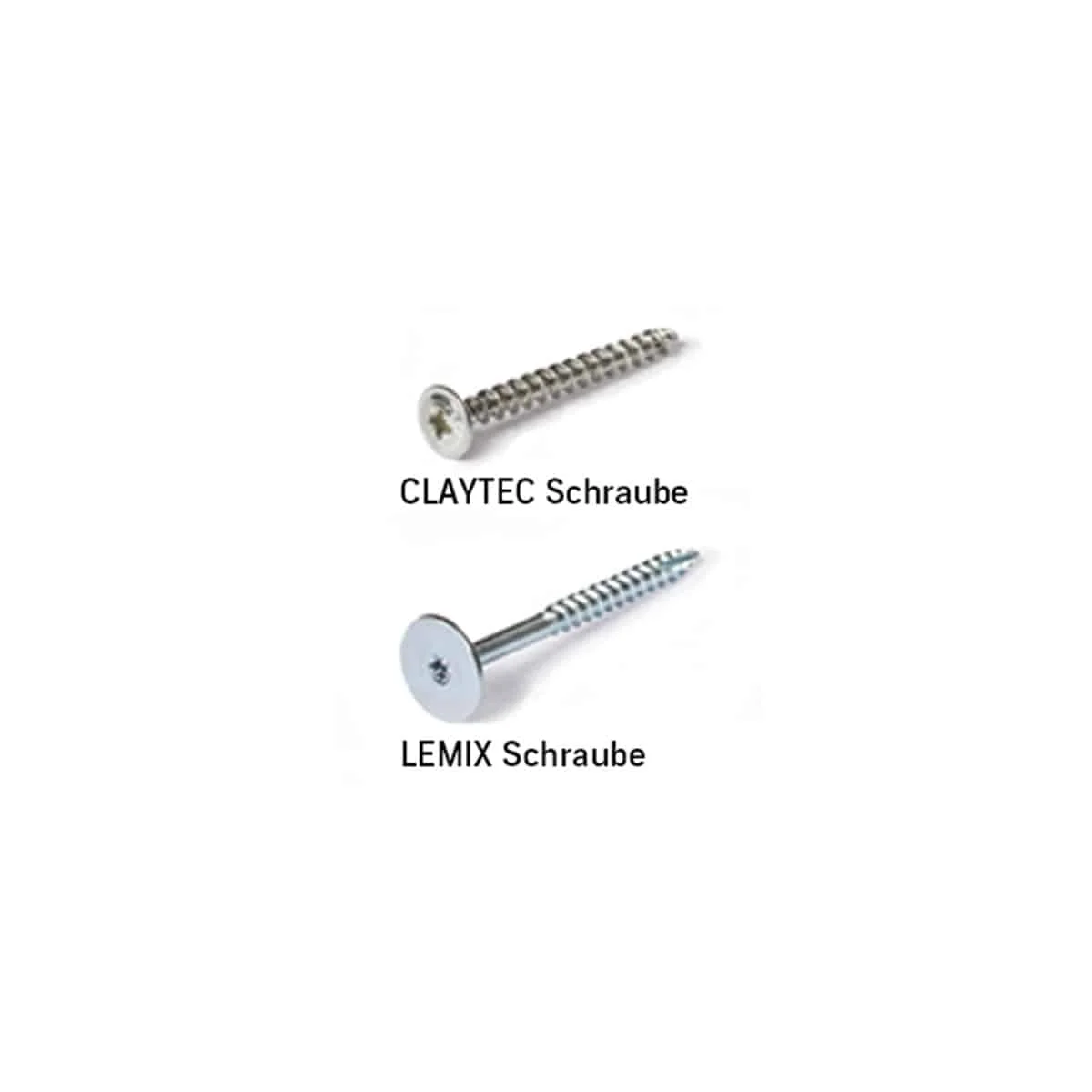
ClayTec clay board screws for securely fixing clay boards to woo…
Stainless steel facade screws for securely fixing plaster bases and facade…

The Lehm-Revival recommendation for good timber construction: fischer PowerFast II CTP as a tested al…
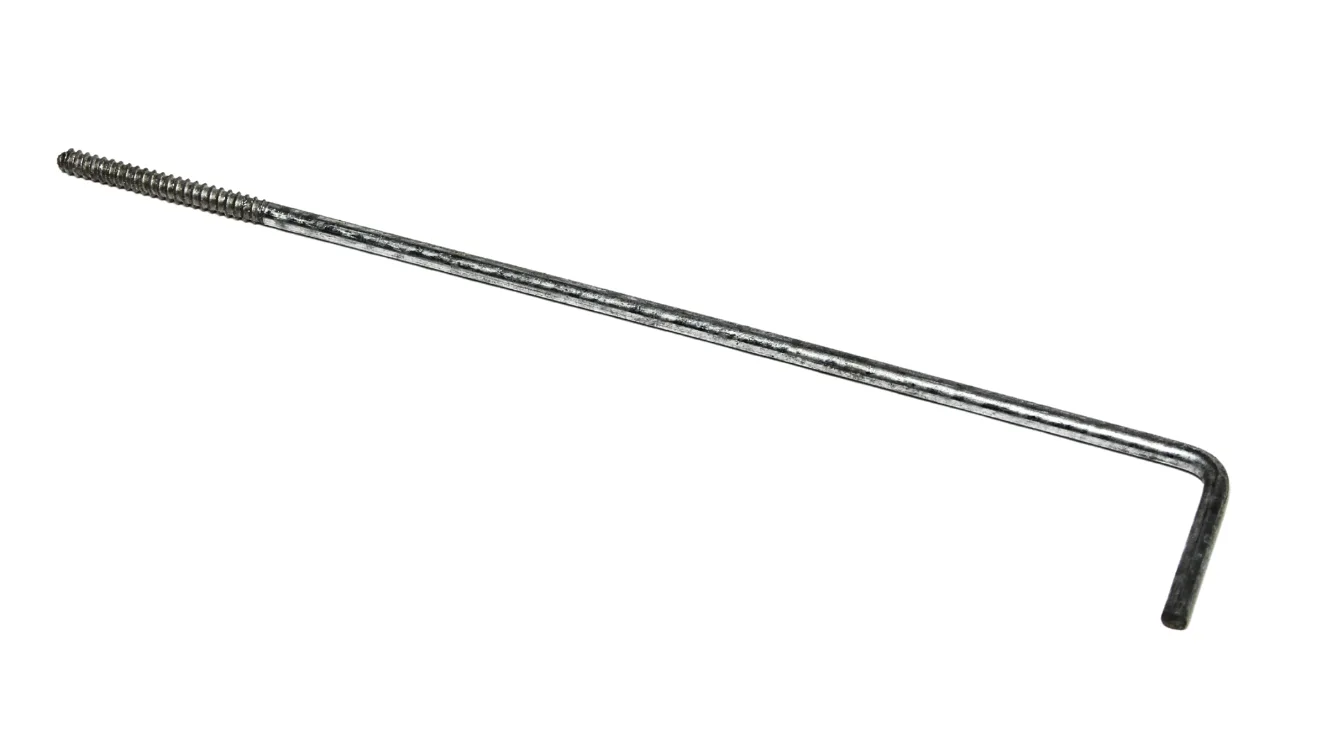
With the IsoHemp cavity wall tie you anchor a facing leaf of hemp blocks to the…
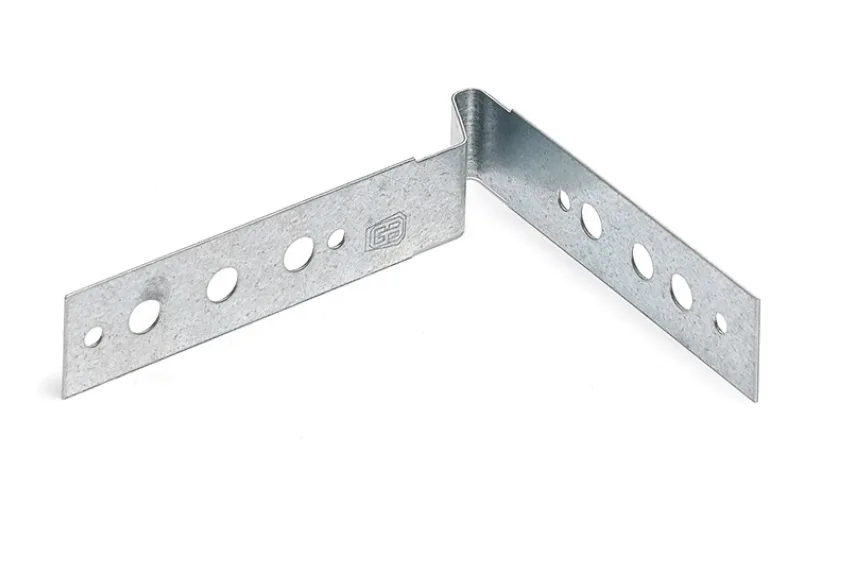
With the IsoHemp connecting brackets you connect a hemp block wall to the ceiling and structure…
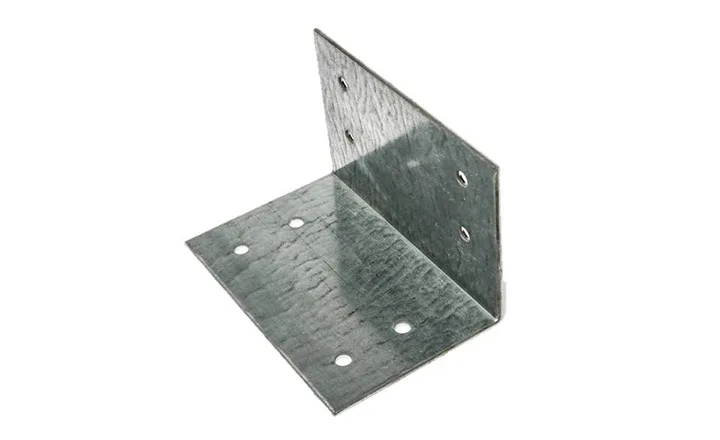
The galvanised steel IsoHemp bracket holds hemp blocks over small door and window open…
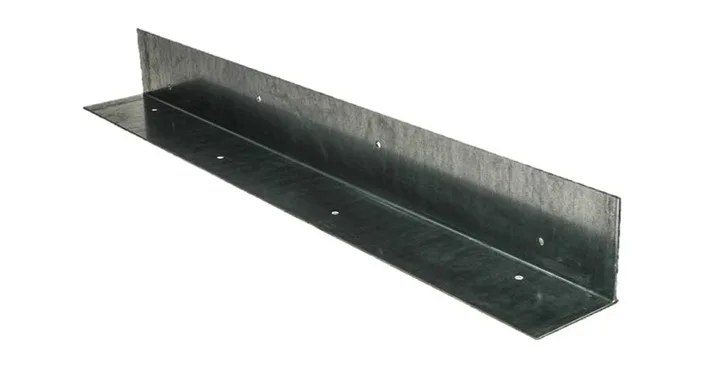
The IsoHemp angle profile is the support for the first course of blocks when no suitable…
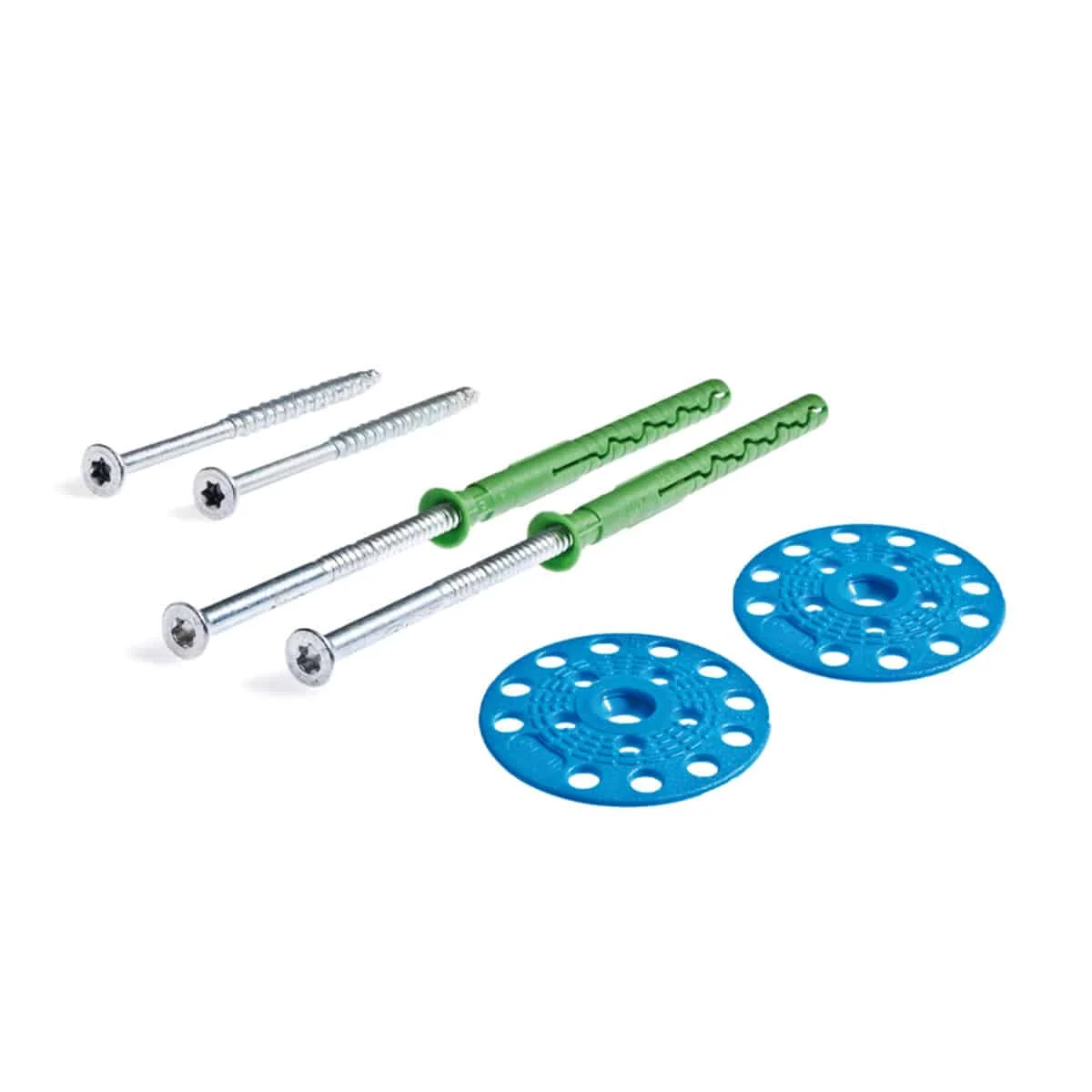
Screw plugs D=8mm for securely anchoring insulation materials and plaster bases in masonry…
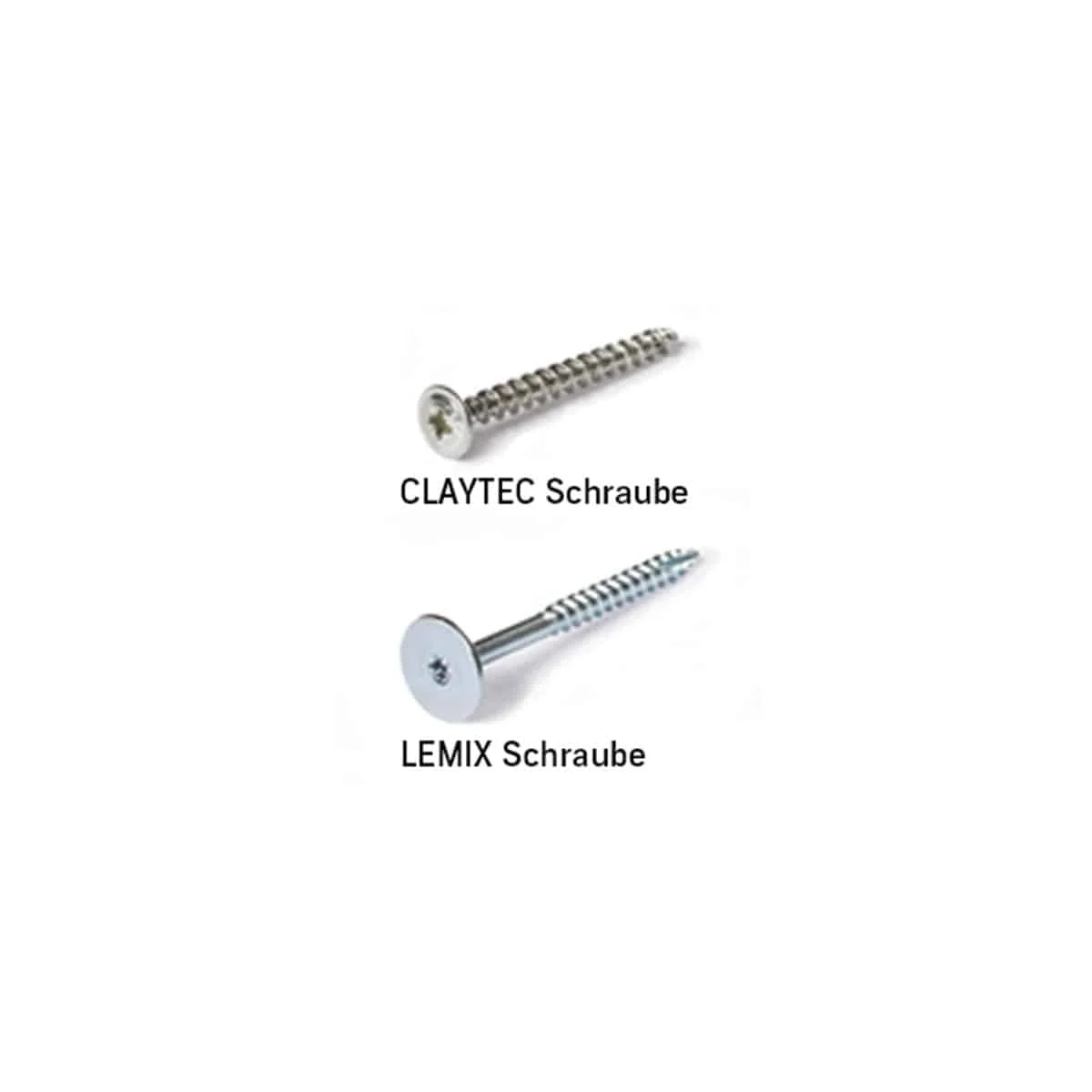
Screws D=6mm for fixing clay boards, 2 pieces per board.
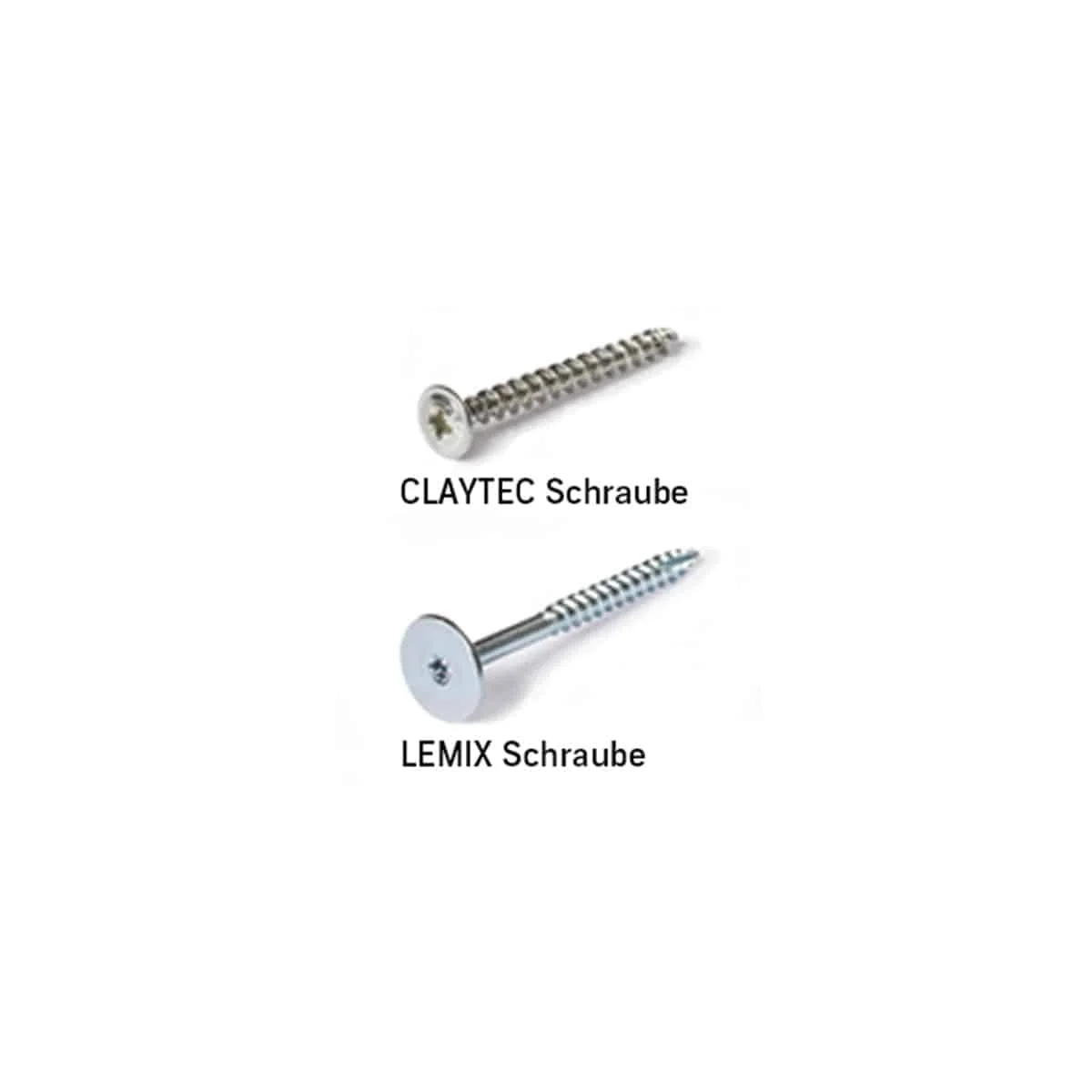
For boarding on timber studs, ClayTec assigns a screw to each board type. The ClayTec clay board screws 5 x 50 mm with full thread, PZ2 drive and fixed washer belong to the clay board D22 solar and to the wood fibre fit-out boards HFA N+F D20 and HFA maxi.
For the heavy clay boards LEMIX D16 and D22, the LEMIX clay board screws 5,0 x 60 mm with partial thread, TX25 drive and 16 mm washer head are intended. For load-bearing timber constructions and timber-to-timber connections I also stock the fischer PowerFast II with countersunk head and TX30, approved according to ETA-19/0175.
Each screw penetrates at least 25 mm into the timber. Drive it in until the head is flush with the board surface. For full-surface cladding on wood-based panels, the screws must not pierce the wood-based panel. Store the screws dry and away from permanent moisture until installation.
You fix the HFD interior insulation board with an insulation washer D=60 mm and a screw or screw anchor. On timber you use the screw D=6 mm with at least 40 mm anchorage depth. On solid substrates such as brick masonry you use the screw anchor D=8 mm with at least 60 mm anchorage depth.
Each board is held at at least two points, vertically centred, with an edge distance of around 300 mm horizontally and a spacing of around 600 mm between them. Avoid going below the 60 mm edge distance if possible. Tighten the insulation washers until they are flush with the board surface, because a thin plaster coat follows.
Tips
You fix the stainless steel plaster base mesh with the A2 stainless steel facade screws 5,5 x 65 mm with TORX T20 in the cranks on the infill, never on the timber beams.
Screw the fabric at enough points that it is firmly connected to the substrate; the product page states the number of screws needed.
For soft and pressure-resistant insulation in roof, wall and facade, there is the NW insulation washer from Naturwerk. It is made of bio-based cellulose moulding material, has an outer diameter of 50 mm and is compostable. You use it indoors and in protected outdoor areas and store it dry.
There are at most 200 mm between two screw points. For boards 600 or 625 mm wide, that means four screw points per stud axis; how many axes a board crosses depends on the board length and the axis spacing of your substructure.