
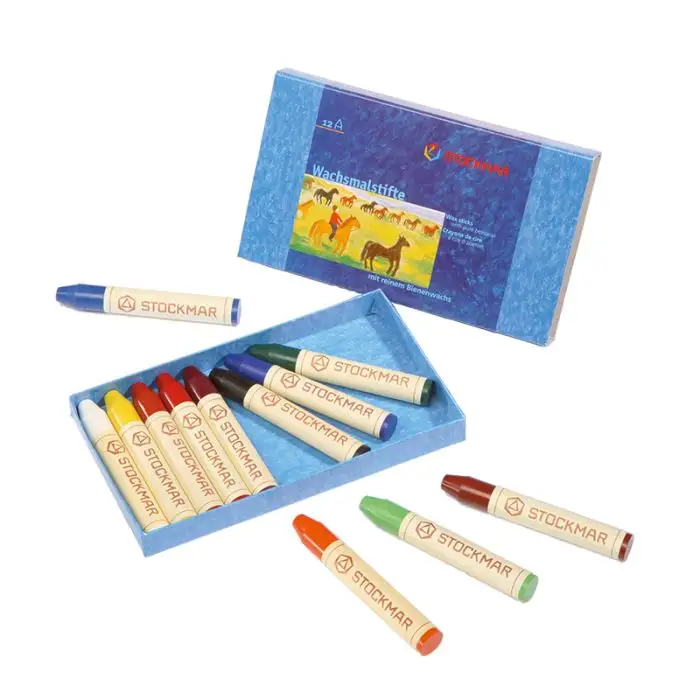
Stockmar wax crayons assortment 12 colours
Everyone knows Stockmar wax crayons. No wonder, as they meet the highest educational…
from11,69 €
from 20 pcs.For painting, modelling and playing there are wax colours, modelling beeswax, a doll sewing kit and wooden toys that show children playfully how beautiful simple, sustainable things can be.
20 products in Painting & toys
Everyone knows Stockmar wax crayons. No wonder, as they meet the highest educational…
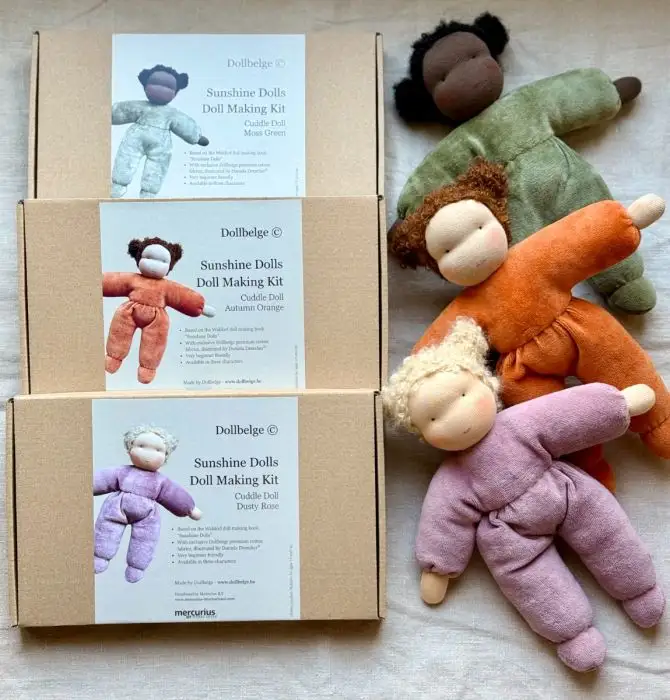
With this beautiful Dollbelge© DIY set you can make your own soft cuddly doll…
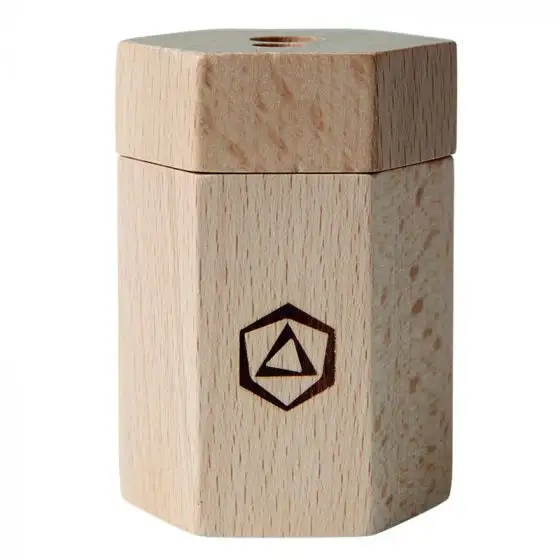
The Stockmar double sharpener is ideal for sharpening thick and thin coloured pencils…
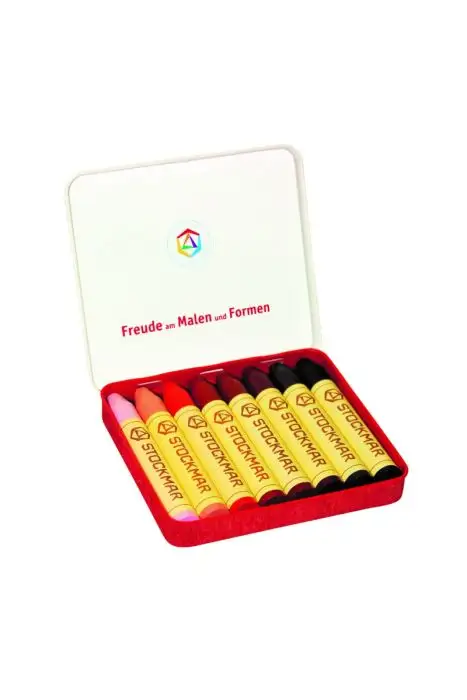
Eight shades for you and your friends: you can buy the colours individually or al…
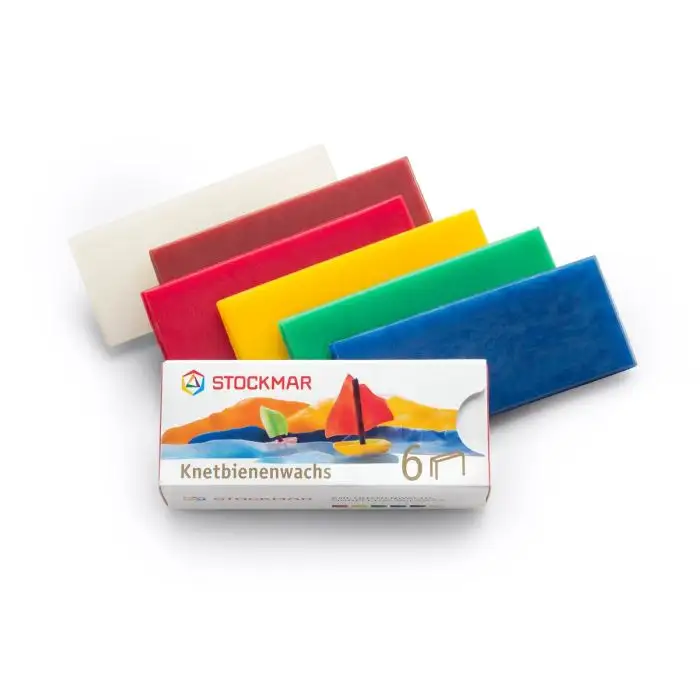
Experiencing art with all the senses: children can do that with Stockmar modelling beeswax. With its…
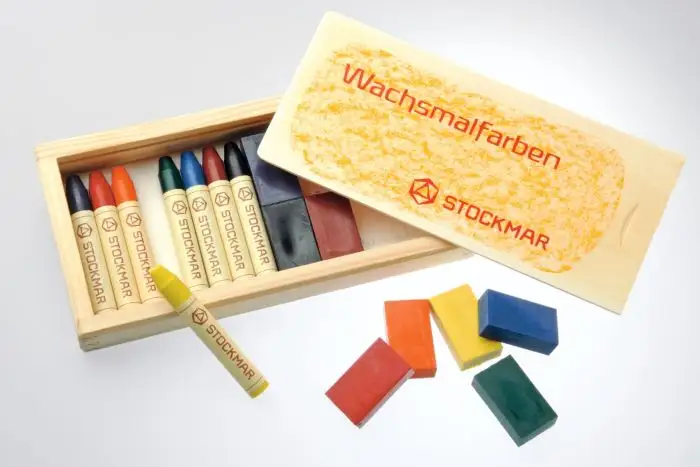
Everyone knows Stockmar wax crayons. No wonder, as they meet the highest educational…
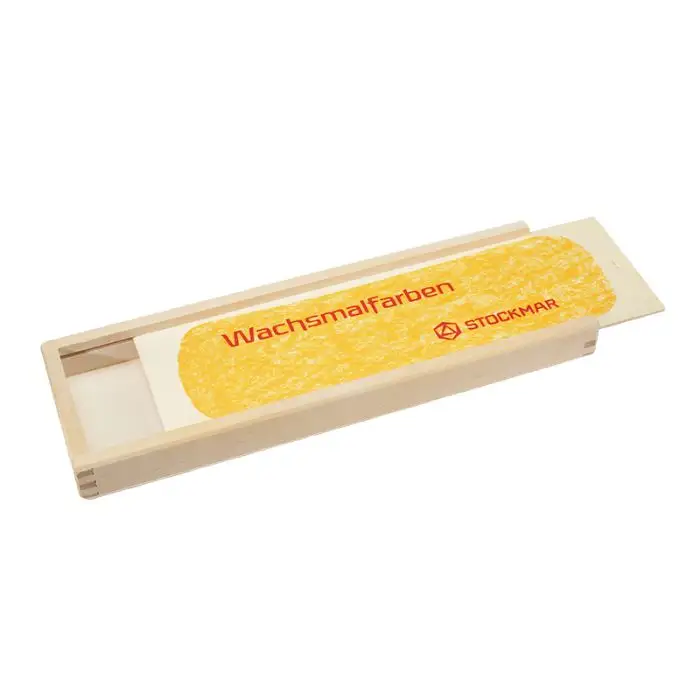
Fits 16 Stockmar wax crayons and blocks. Ideal for individual additions…
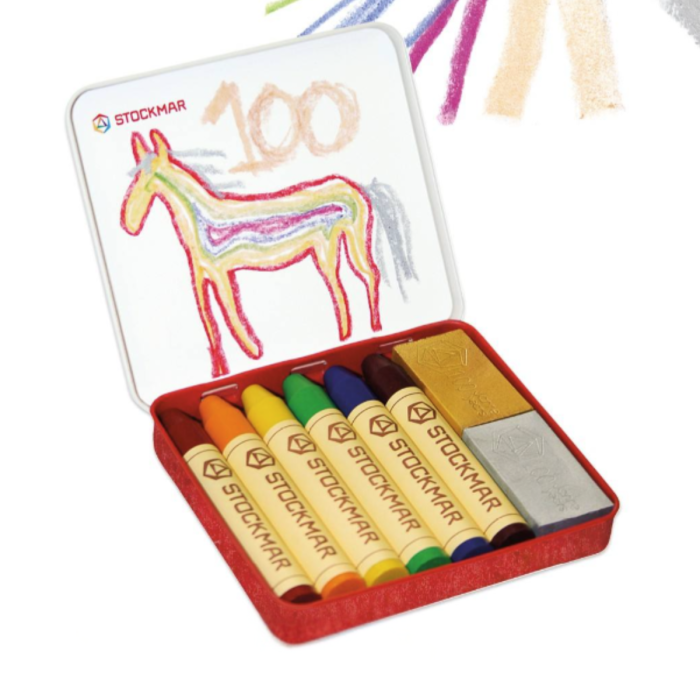
The Stockmar Rainbow Edition is a special set full of colour and inspiration. Th…
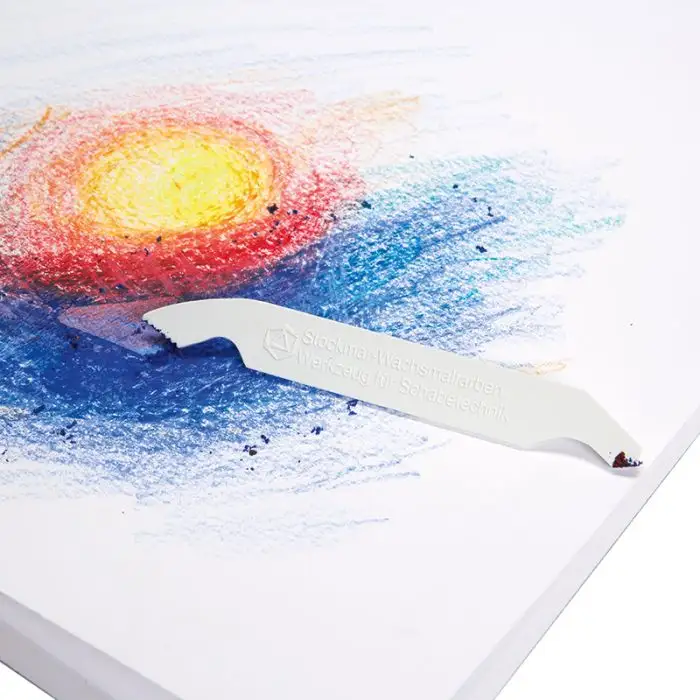
Professional scraper for Stockmar wax colours. Perfect for the sc…
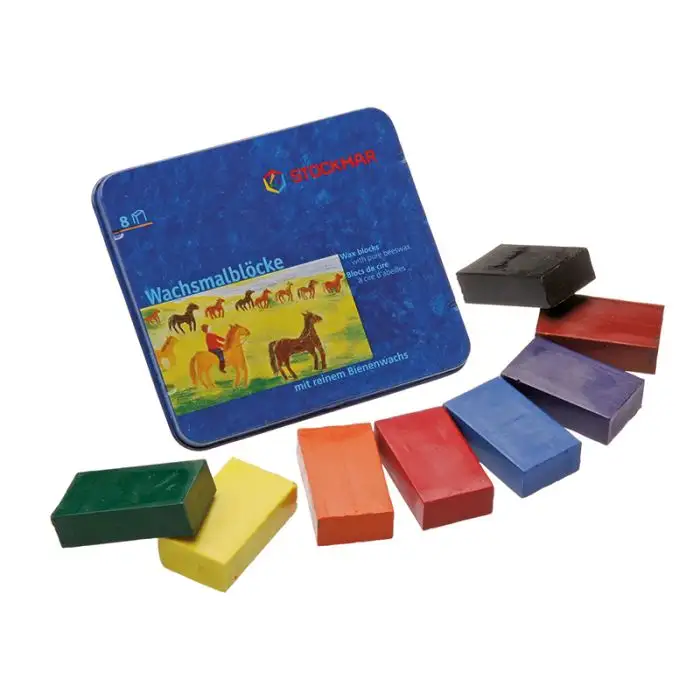
The wax blocks, made of the same material and in the same colours as the crayons…
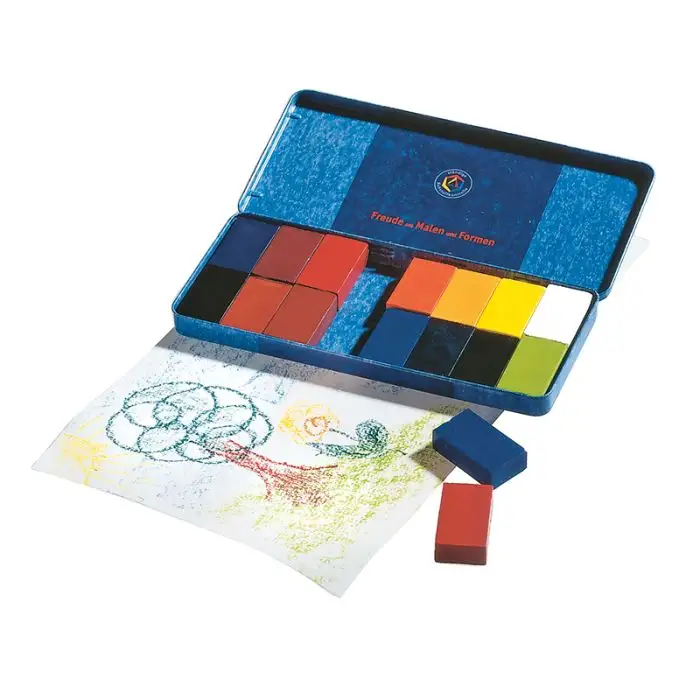
The wax blocks, made of the same material and in the same colours as the crayons…
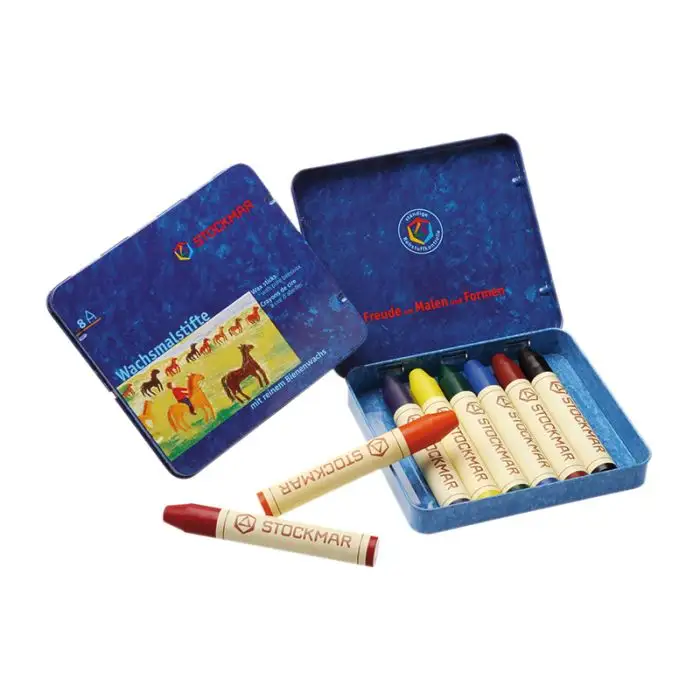
Everyone knows Stockmar wax crayons. No wonder, as they meet the highest educational…
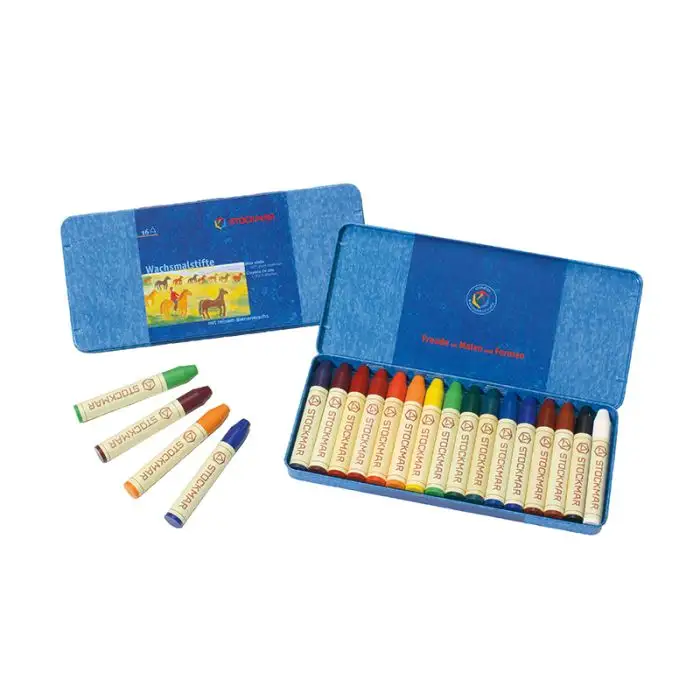
Everyone knows Stockmar wax crayons. No wonder, as they meet the highest educational…
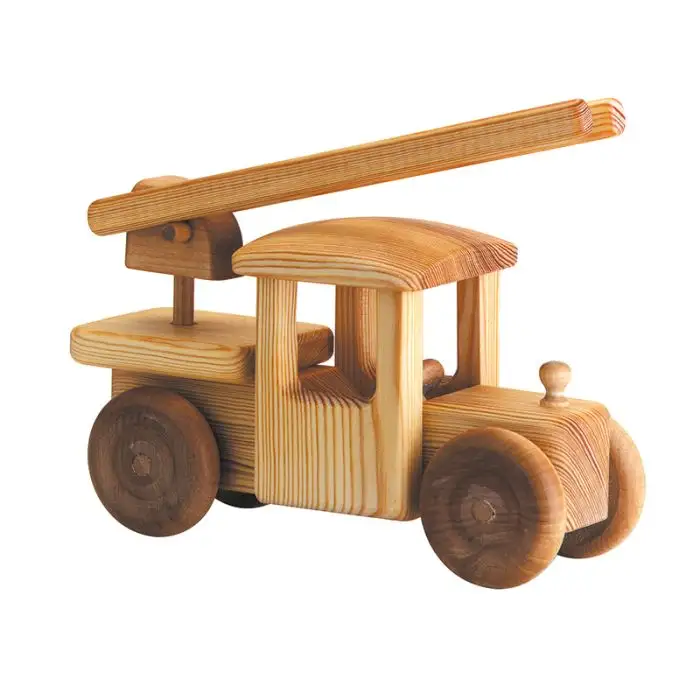
The ladder is movable and can turn, just like on a real fire engine. Ro…
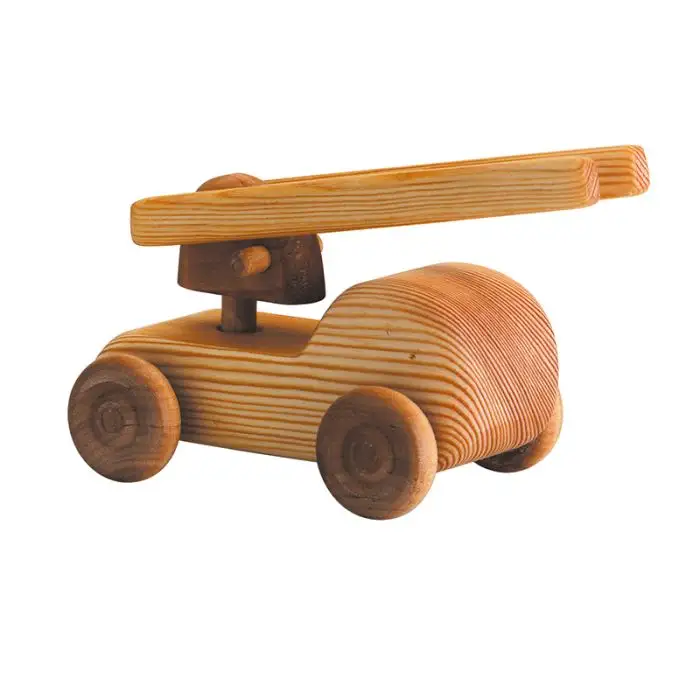
The step car fits perfectly in small hands. The ladder can be turned, ideal for…
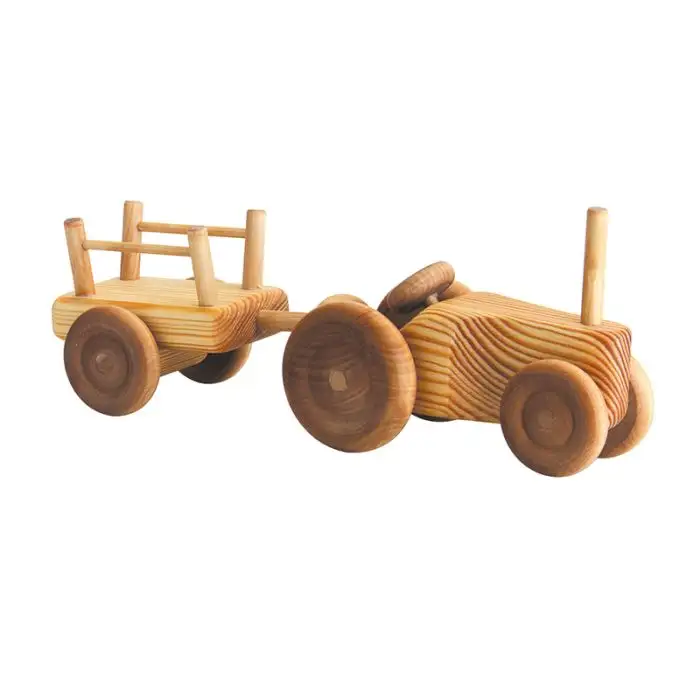
Small tractor with removable trailer for transporting hay. Perfect for small children's han…
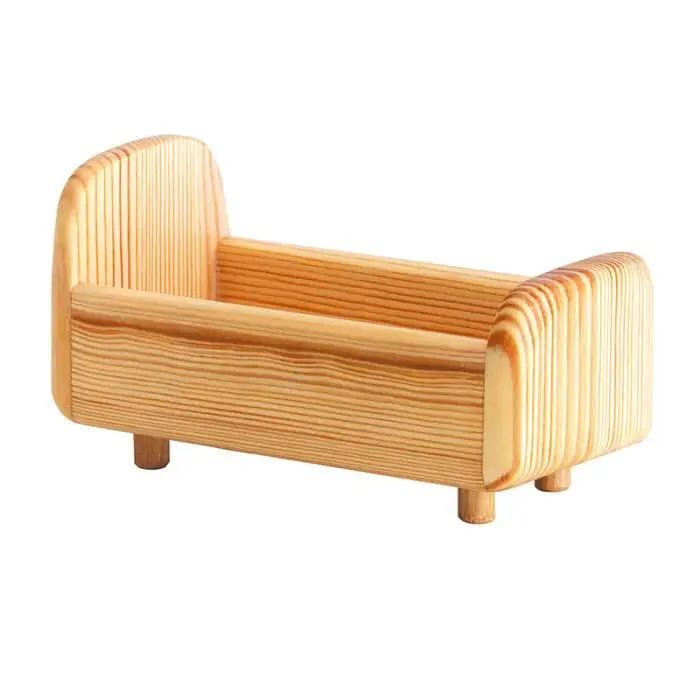
Lovingly designed doll's bed made of solid wood. Perfect for little doll mothers and…
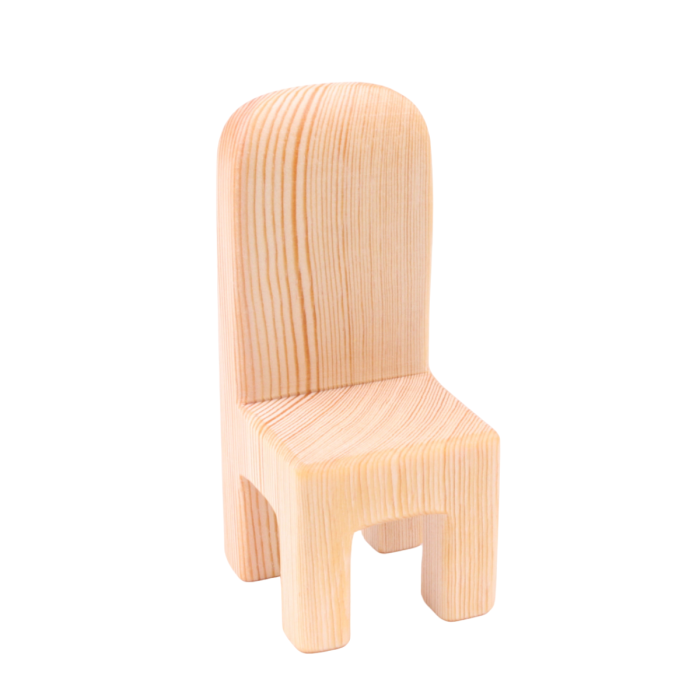
Single doll's chair made of solid wood. An addition to the doll's house or as a replacement…
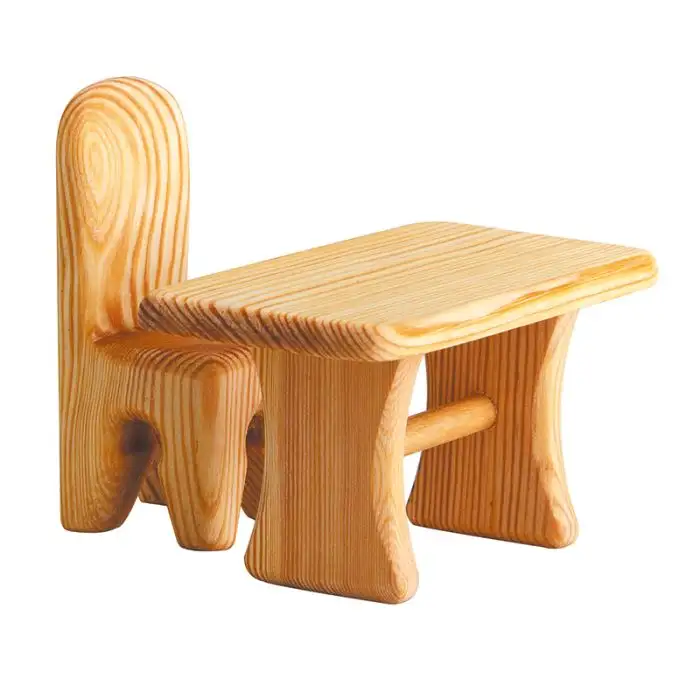
Table and chair for dolls, a complete set for the doll's kitchen or doll's living ro…
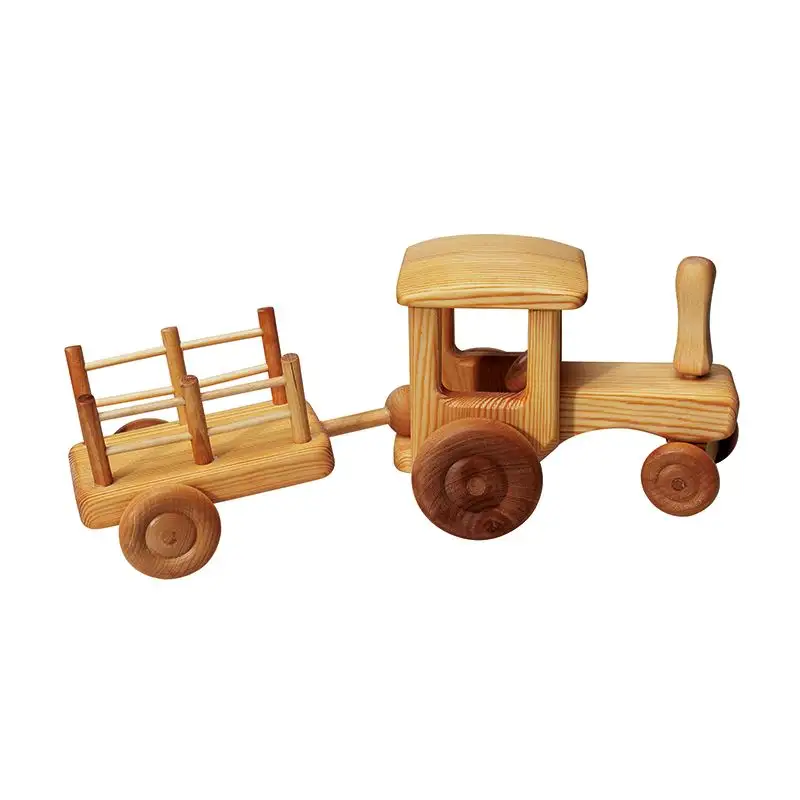
The chimney is movable and operates the front wheels of the tractor. The driver's cab…
Stockmar blocks and crayons consist of the same wax mixture in the same colours; they differ in shape. The flat blocks lie firmly in small hands and are suitable for first attempts at painting and large areas of colour; older children continue to use them for larger areas. Stockmar recommends the crayons for children starting school. With the tip of a crayon or the corner of a block you draw lines; dense layers of strokes produce areas.
In the combination assortment, crayons and blocks come together in a wooden box, so a child can try out both forms. The Rainbow Edition adds two blocks in gold and silver to the crayons. With the Colours of the World set you mix different skin tones by layering. The empty wooden box holds crayons or blocks, for example for a self-assembled assortment.
Stockmar wax colours are translucent. If you paint one colour over another, the lower one shimmers through and a mixed shade is created. In the scraping technique, also called sgraffito, you apply two or more layers thickly on top of each other and expose the lower one again with the scraper. Start light and paint dark over it; the darker the top layer, the more the scraped areas glow.
Whether a scraper is included is stated in the scope of delivery of the respective set; it is also available individually. With the wide smooth edge you push paint away over an area, with the narrow edge you draw tracks, with the tip you scratch lines and with the serrated edge you create hatching.
Smooth drawing paper gives a closed application of colour, grainy paper a looser effect. The colours also adhere to parchment, wood, textiles, glass and plastic. For ironed pictures, scrape off colour particles with a kitchen knife, spread them on paper, place a second sheet on top and melt the colour with the iron. On parchment or greaseproof paper this creates translucent sheets for window pictures and lanterns. Small children do not work alone with the iron.
Tips
Modelling beeswax comes as a solid sheet. Warm a piece between your palms and knead it until it is supple; then even fine, thin shapes can be modelled. Bring the wax to room temperature first. For younger children, pre-warm it near a radiator or in warm water. Finished figures keep their shape, colour and sheen and can be reworked after hardening.
Tips
Store crayons and blocks cool, dry and away from direct sun in the original packaging; avoid temperatures above 55 °C. When painting, keep the colours away from clothing.
If wax colour ends up in the wrong place, lay blotting paper over it and iron over it hot until the paper absorbs the wax. Alternatively, warm the wax with a hairdryer and remove it with a soft cloth. For heat-sensitive materials, a cold degreaser helps; try it first on an inconspicuous spot. Fix finished pictures with fixative.
Telleby's vehicles and doll's furniture are made of solid pine and beech, handmade in a Swedish social workshop and treated with solvent-free natural oils. The age recommendation is from 3 years. Doll's bed, doll's chair and the table and chair set combine into a doll's house room. Keep the toys dry and re-oil the wood surface when needed.
With the Dollbelge sewing kit you sew a cuddly doll based on the book Sonnenkindpuppen. The kit contains doll jersey, tubular bandage, threads, nicky velour for the pyjamas, bouclé mohair for the hair and a printed cotton fabric for clothes or a sleeping bag. According to the manufacturer, stuffing wool, a long doll needle and blusher for the cheeks are not included; have them ready before you start. The kit is designed to be beginner-friendly and is recommended for sewers aged 14 and over.
Stockmar labels wax colours and modelling beeswax with the warning: not suitable for children under 3 years, choking hazard due to small parts that can be swallowed.
Every Stockmar item is available as a single purchase and as a class purchase. The class purchase is intended for larger quantities of the same item, for example for a whole group or class, and applies from a minimum quantity. You can see the minimum quantity and unit price when you select the class purchase variant.
According to Stockmar, the wax colours contain hydrocarbon wax, paraffin, vegetable stearin, beeswax and pigments; the beeswax content is around 10 %. Modelling beeswax consists of hydrocarbon wax, paraffin, beeswax, pigments and tree resin, with a high proportion of pure beeswax.
No. The double sharpener tin is intended for thin and thick coloured pencils. According to the technical data, the largest pencil diameter it takes is below the diameter of Stockmar wax crayons.