
Bestseller
fast delivery
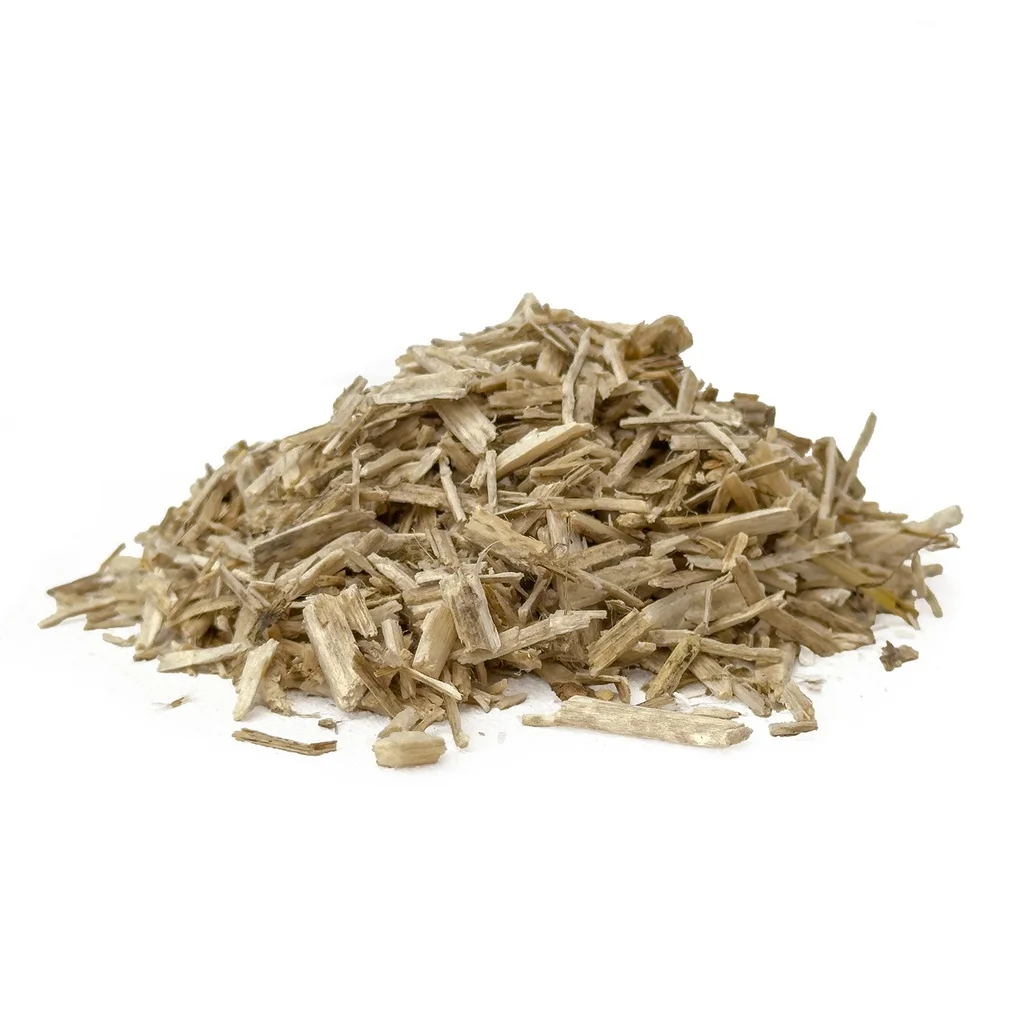
Hemp shives, levelled and standardised
Graded and standardised hemp shives as a natural aggregate for hemp-lime plasters,…
24,36 €
Clay building materials are suitable for sustainable renovation, timber framing and ecological new builds because they are vapour-permeable and capillary-active and can absorb, store and release moisture from the indoor air. I rely above all on clay building materials from CLAYTEC.
11 products in Clay building materials
Graded and standardised hemp shives as a natural aggregate for hemp-lime plasters,…
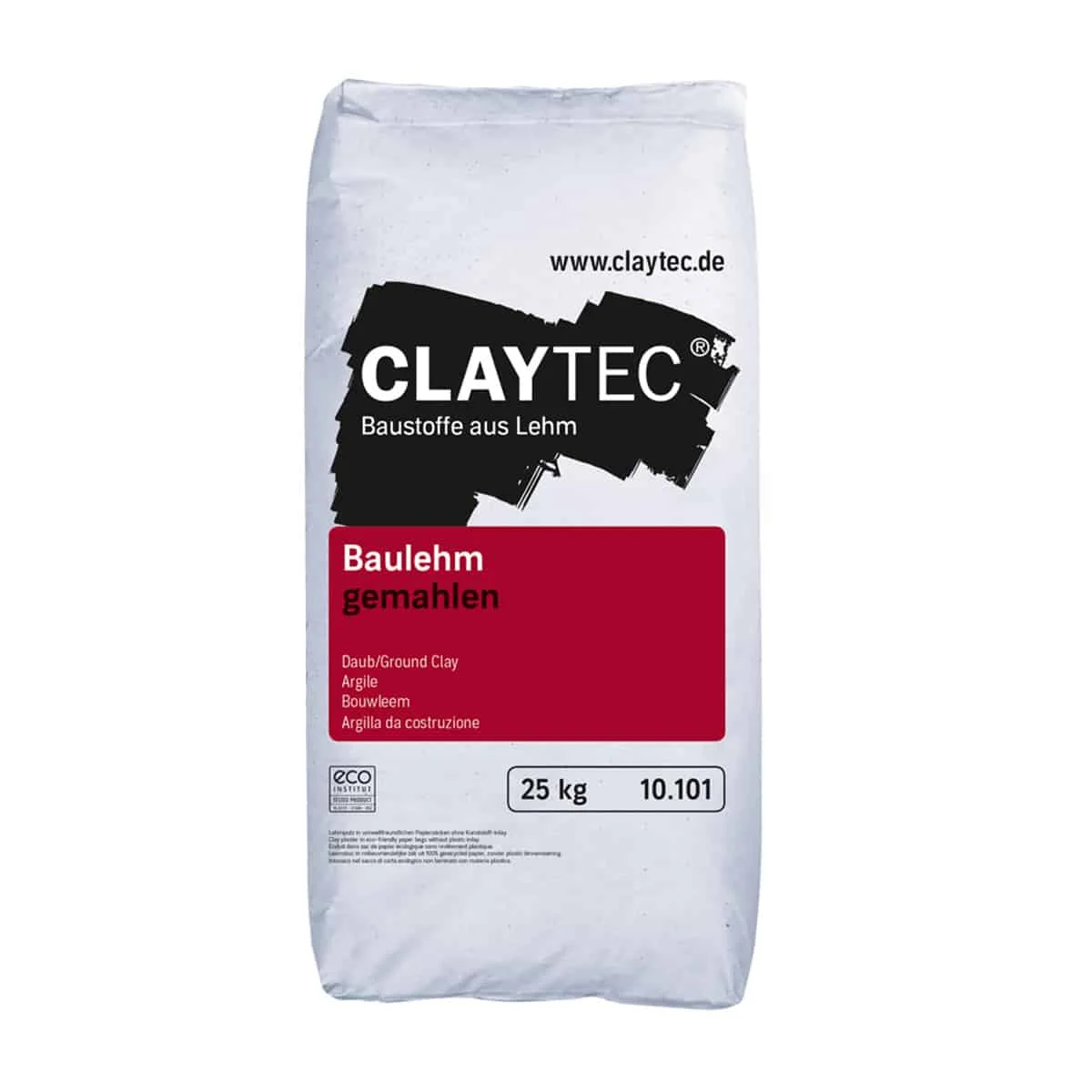
Building clay for clay mortar mixtures and clay plaster recipes, available as sacked goods (dr…
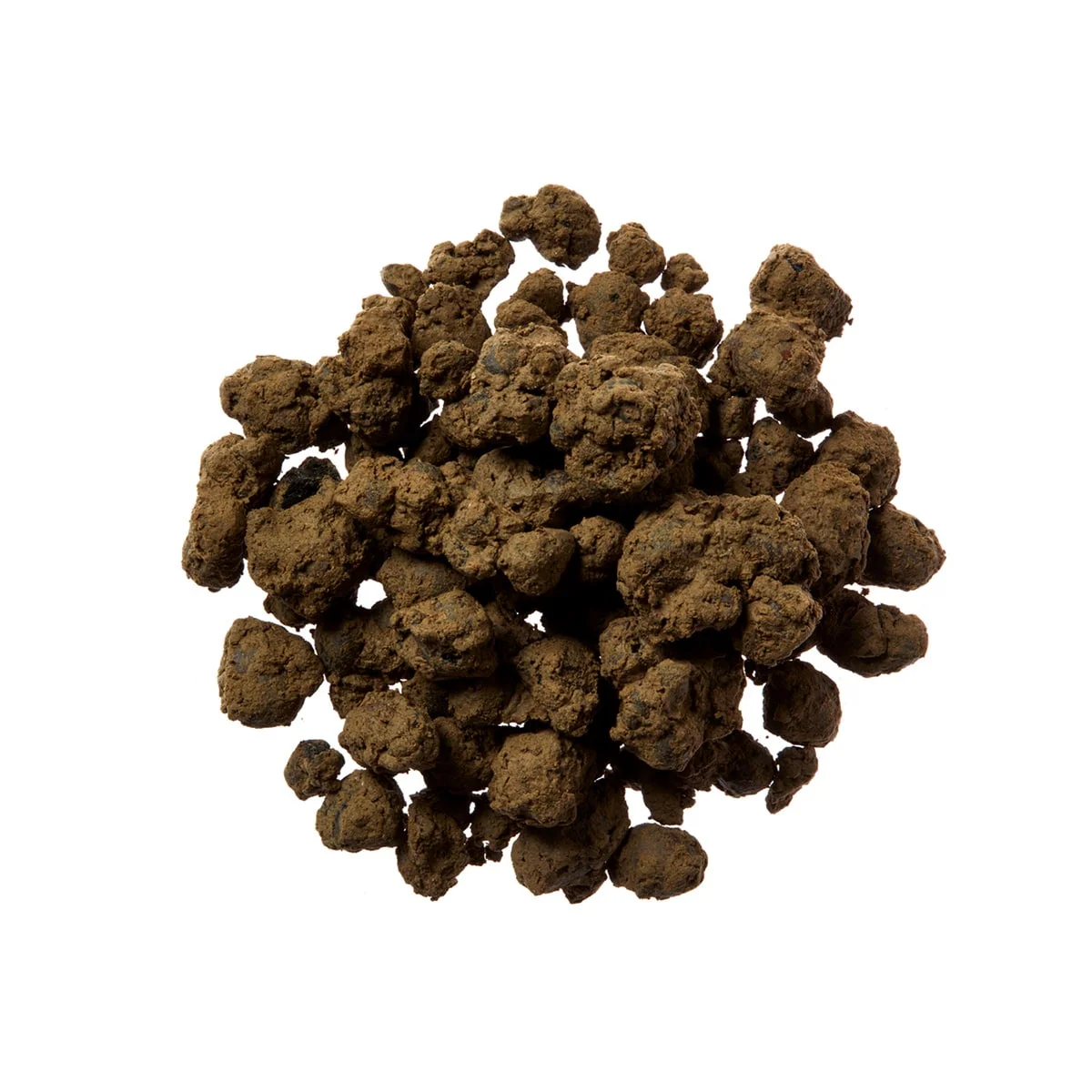
Light clay based on natural building clay and expanded clay granulate for interior insulating lin…
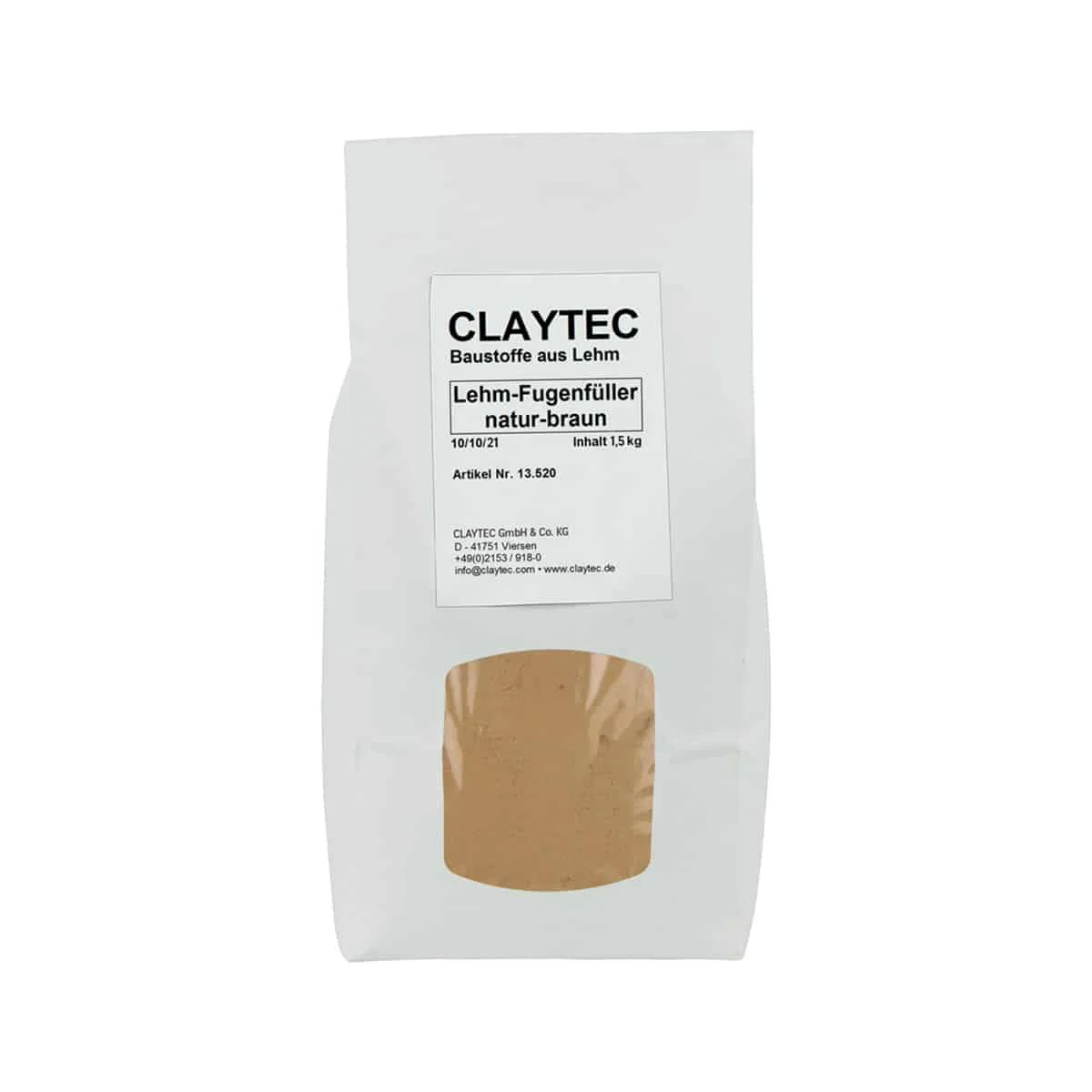
Closing joints perfectly, naturally.
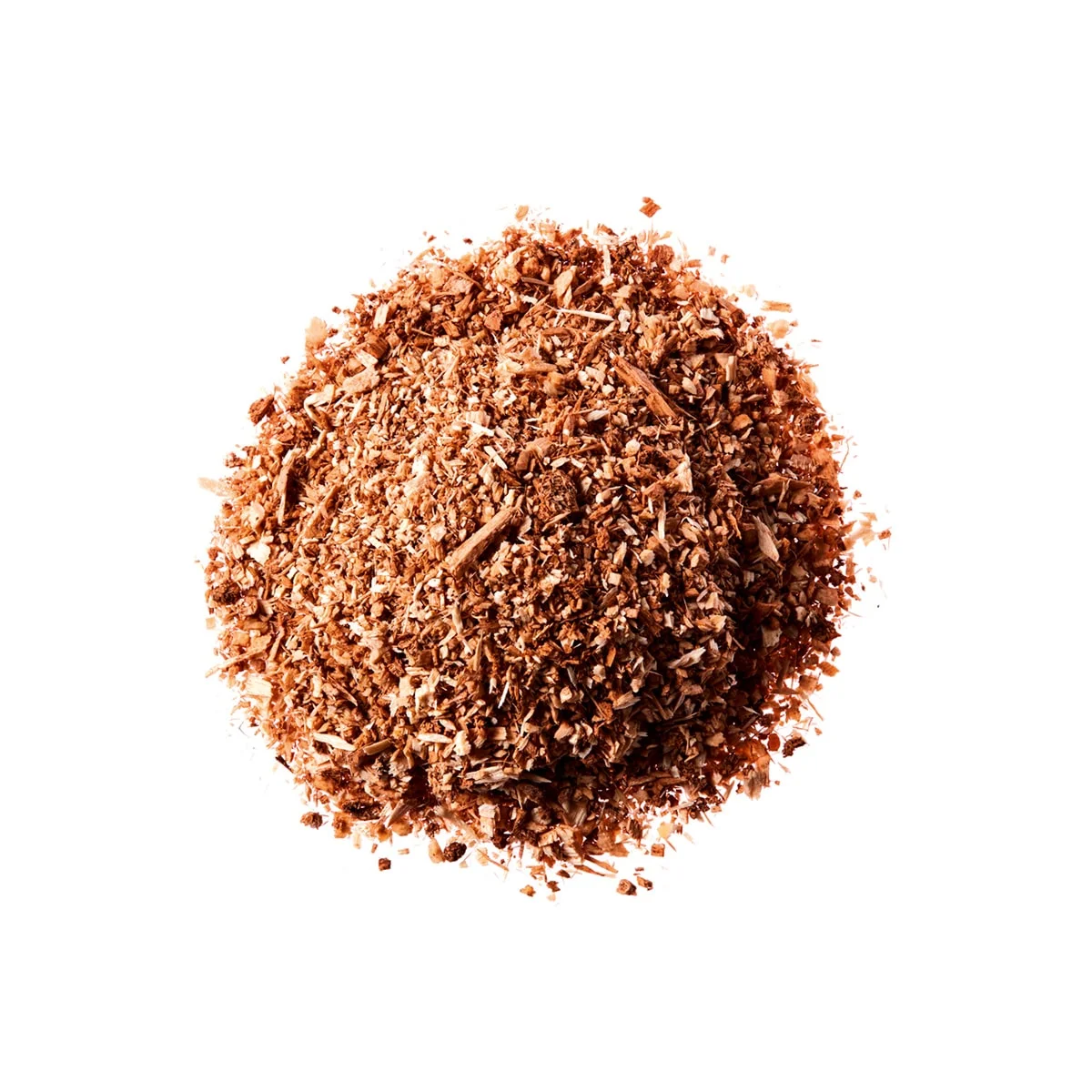
Light clay-wood fill, ultra-light!
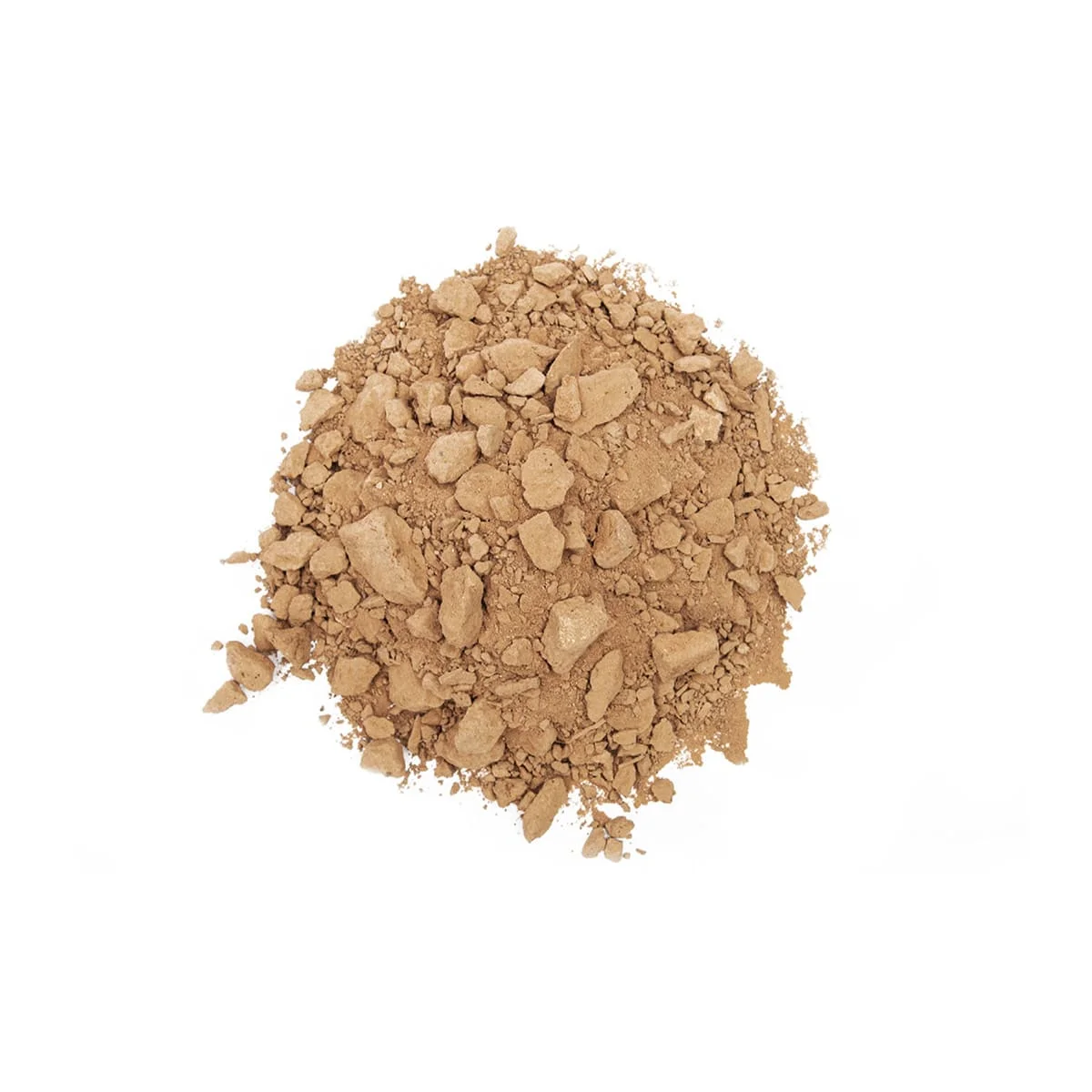
Natural ceiling fill for cavities and floors.
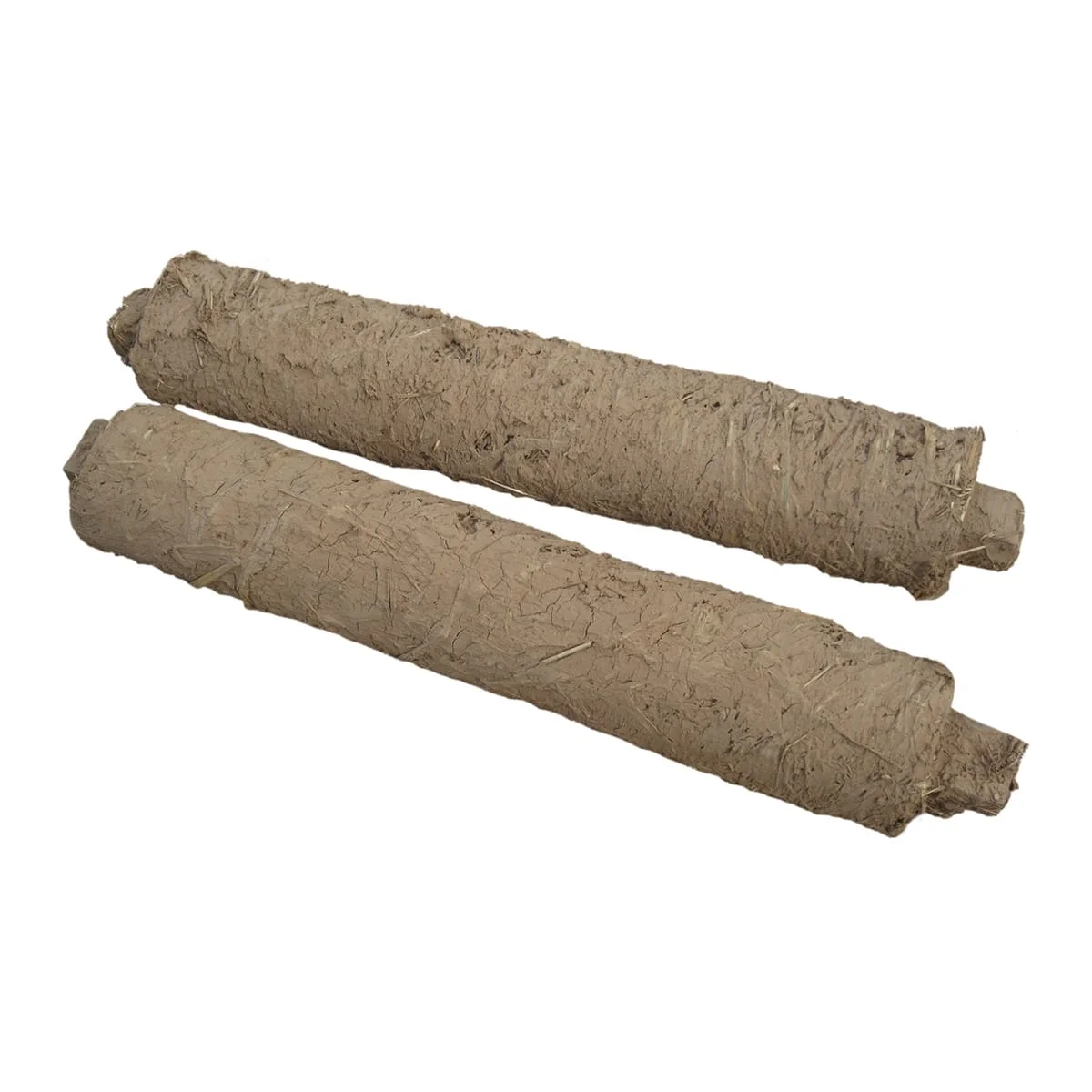
Clay-wrapped staves, pre-dried, ready to use!
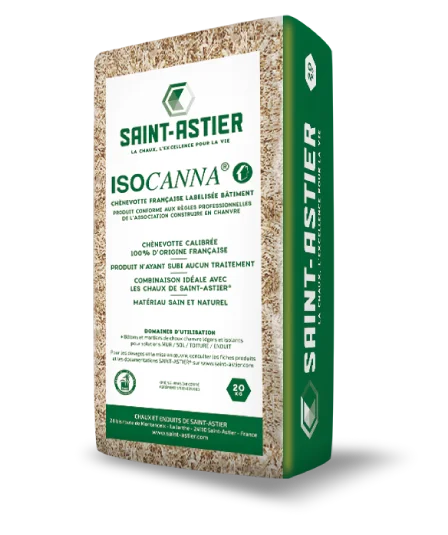
Calibrated, dust-free and untreated hemp shives from Saint-Astier®, 100 % hemp from…
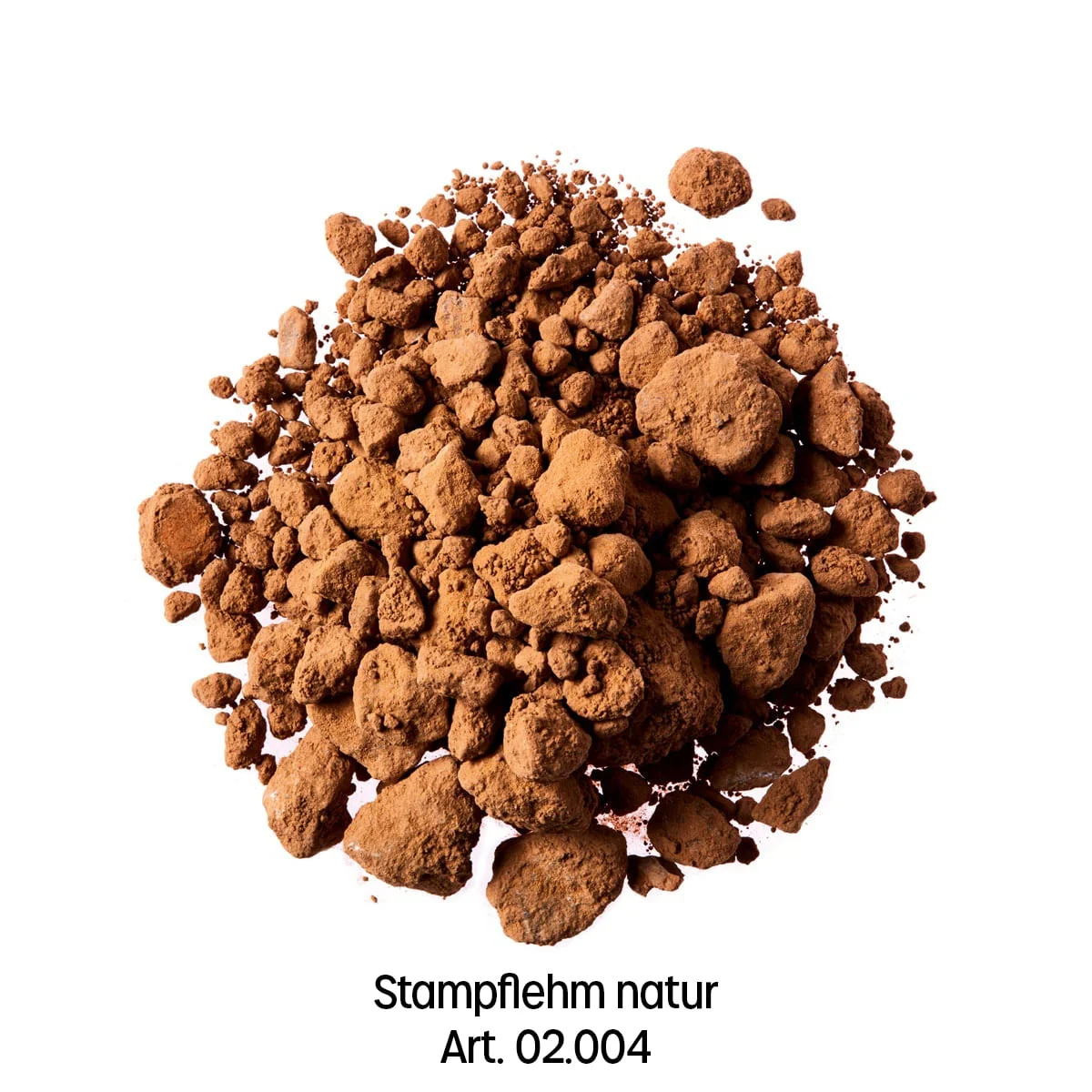
Rammed earth natural, traditional wall construction!
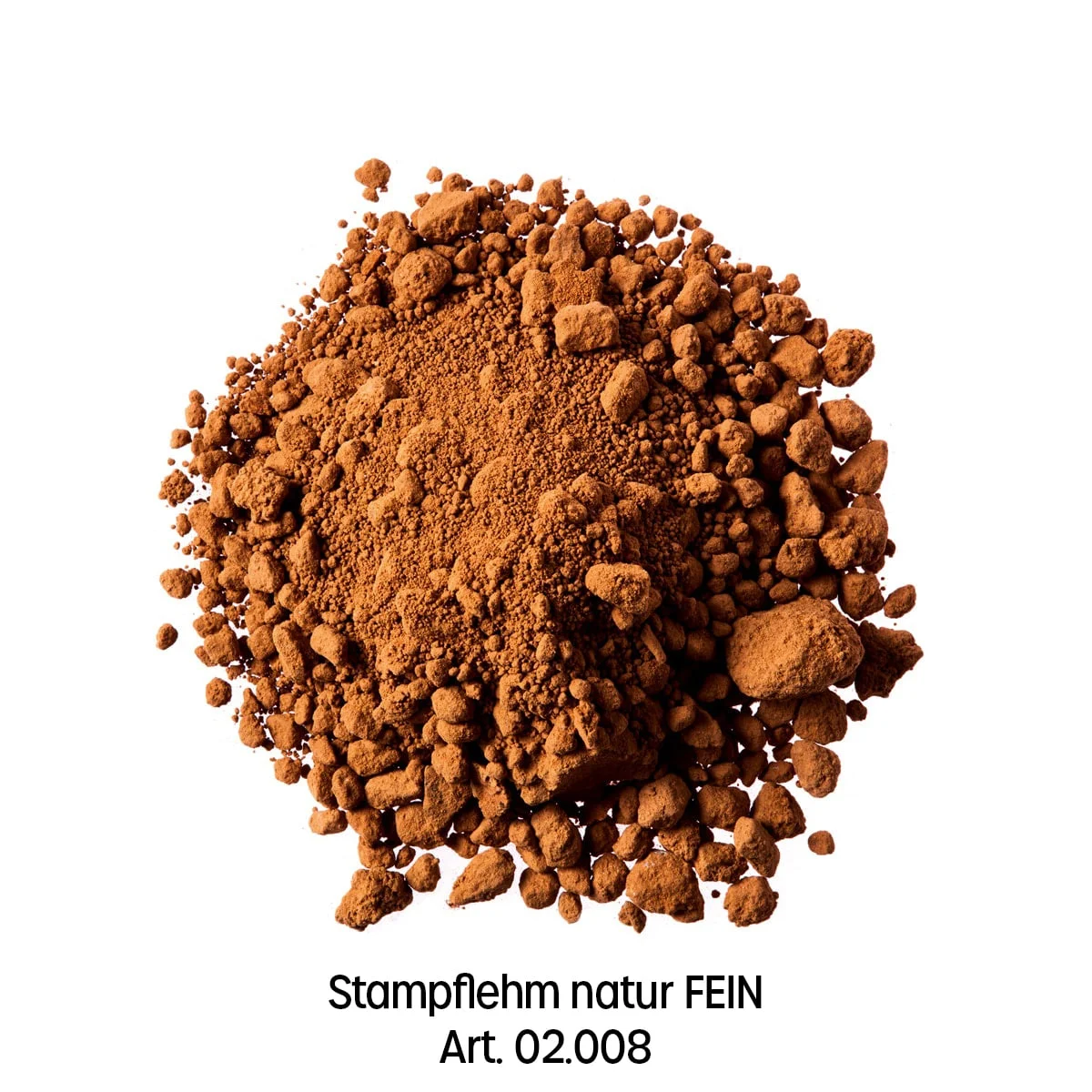
Rammed earth natural FEIN, for floors!
Straw clay earth-moist, traditional clay building!
You use straw clay to repair and newly build clay infills and for clay fillings of historic timber joist ceilings. You lay clay-wound staves of oak heartwood, clay and rye straw into ceiling bays. Dry clay fill fills cavities between sleepers and beams; the light clay-wood dry fill additionally provides thermal and sound insulation and also fills screed honeycombs in dry construction.
Expanded clay light clay is intended for insulating facing leaves in timber frame and old buildings. It is not suitable as a fill between vertical masonry leaves, because damage-free drying cannot be guaranteed there. You install rammed earth for walls in formwork, and rammed earth natural fine for the top layers of rammed earth floors.
Hemp shives are an aggregate for hemp-lime plasters, light clay mixes and loose-fill insulation in cavities. ISOCANNA fine is intended for lime-hemp plasters indoors; as binder for this, Saint-Astier names among others NHL 2, which I stock with the lime plasters.
Make straw clay plastic with about 10–15 % water in a compulsory mixer. For a panel repair, sweep the panel, moisten it, fill large defects and then apply 20–30 mm over the whole area. Leave a 15 mm set-back from the outer beam surface, and roughen the outside while fresh for the later lime plaster. If the old clay is lean and sandy, make the straw clay leaner with sand and make a work sample.
With clay joint filler you close joints between timber frame beams and clay infill, timber shrinkage cracks and plug holes. You fill it into the refill cartridge, strike it off with a silicone spatula and smooth it with a fine brush and water. It is not intended for joints between lime plaster and timber frame beams.
Tips
For ceiling fills, carry out the trickle protection carefully. Apply the dry clay fill at least 60 mm high; if necessary, compact the light clay-wood fill in layers of 10 cm by light vibration. Before laying the walking surface layer, check the material moisture by hand or visual test.
Fill expanded clay light clay behind permanent formwork of reed mesh; the grid of the substructure is at most 35 cm; clay boards are not permitted as permanent formwork. Compact it with simple tools until the leaf is filled without cavities, and do not tamp it. Fill rammed earth into stable formwork in layers 100–150 mm thick and compact it to the maximum. Load-bearing rammed earth walls are planned according to the clay building rules of the Dachverband Lehm and built only under the supervision of an experienced specialist. Rammed earth is water-soluble and needs weather protection.
Tips
After installing moist clay building materials, ensure rapid drying, with cross-ventilation where all windows and doors stay open day and night, or with drying equipment. For expanded clay light clay, ClayTec states a minimum drying time of 15–8 weeks for a 12 cm drying depth on one side; if mould appears on its surface, speed up drying immediately. You may only plaster or clad it once drying is largely complete. Straw clay must be completely dry before plastering.
ClayTec intends building clay as a raw material for craftsmen with experience in clay construction; you develop the recipe yourself depending on purpose and aggregate. Depending on use, there are 1–0,5 parts by volume of aggregate to 2,5 part by volume of clay. If you want to work without your own recipe, you will find ready-matched clay plasters and clay masonry mortar in their own categories.