
fast delivery
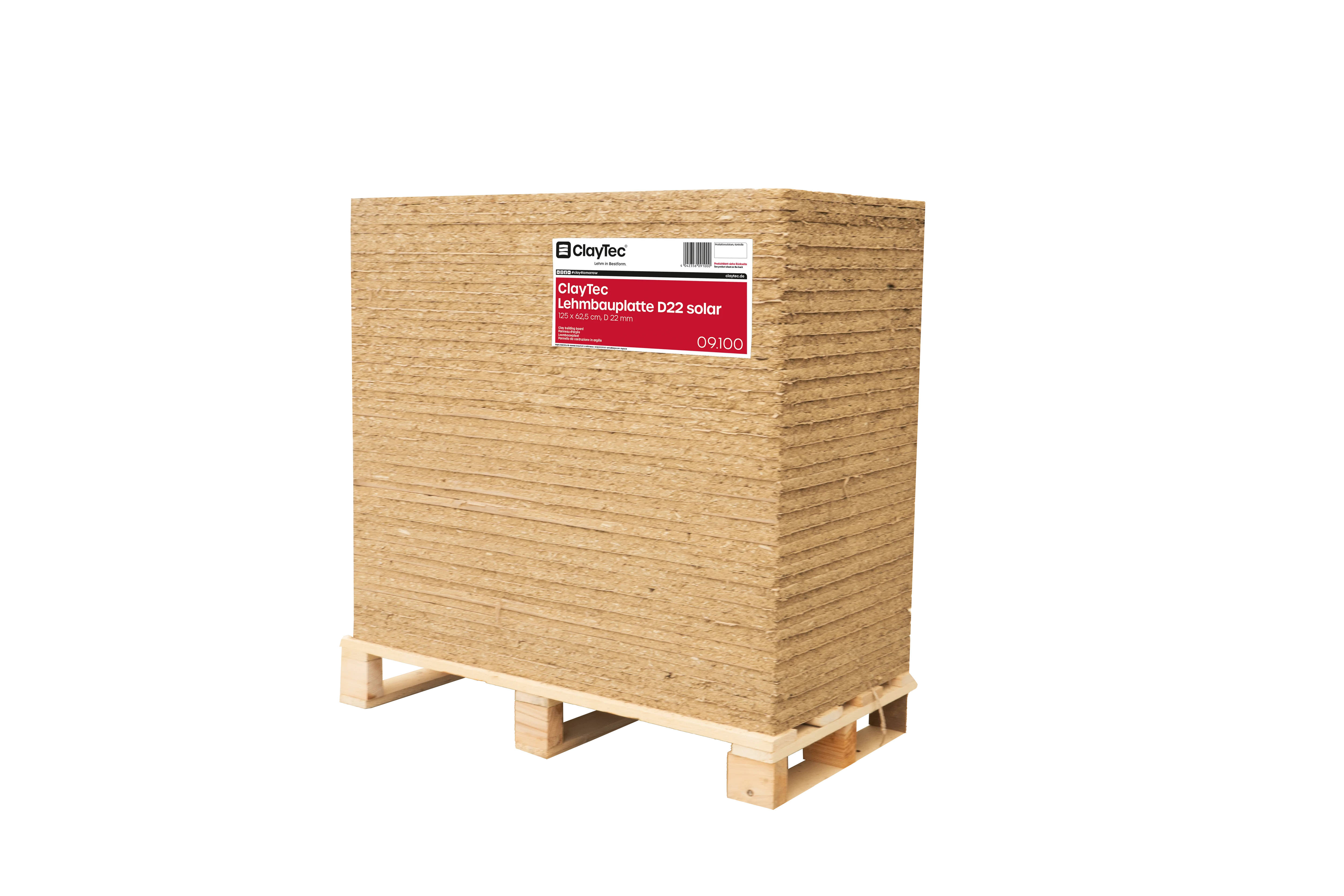
ClayTec clay board D22 solar
Solar-dried clay board made of building clay and miscanthus fibres with negative GWP (Cra…
from24,99 €
7 products in Clay boards
Solar-dried clay board made of building clay and miscanthus fibres with negative GWP (Cra…
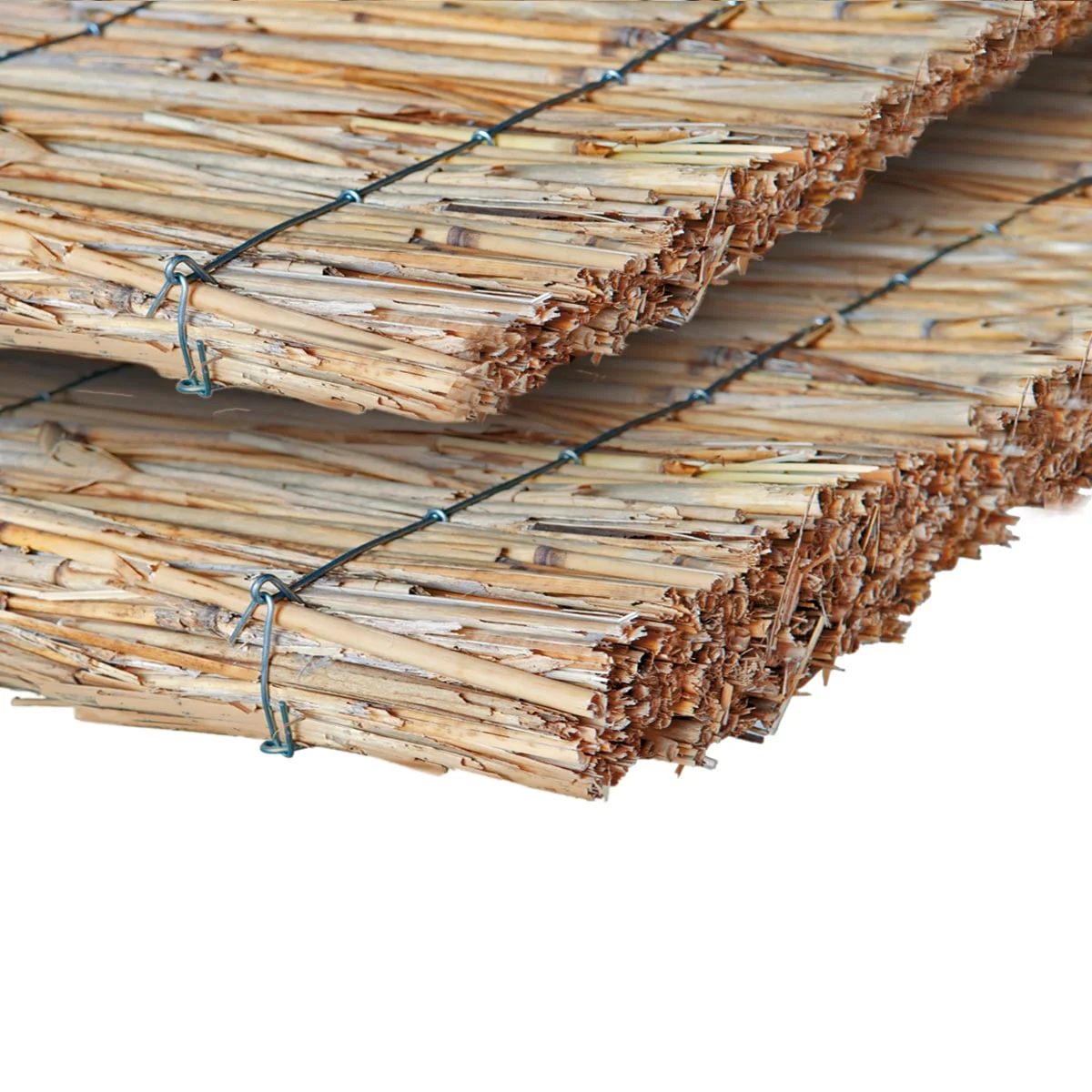
Traditional reed board for interior insulation and plaster base, particularly suitable for t…
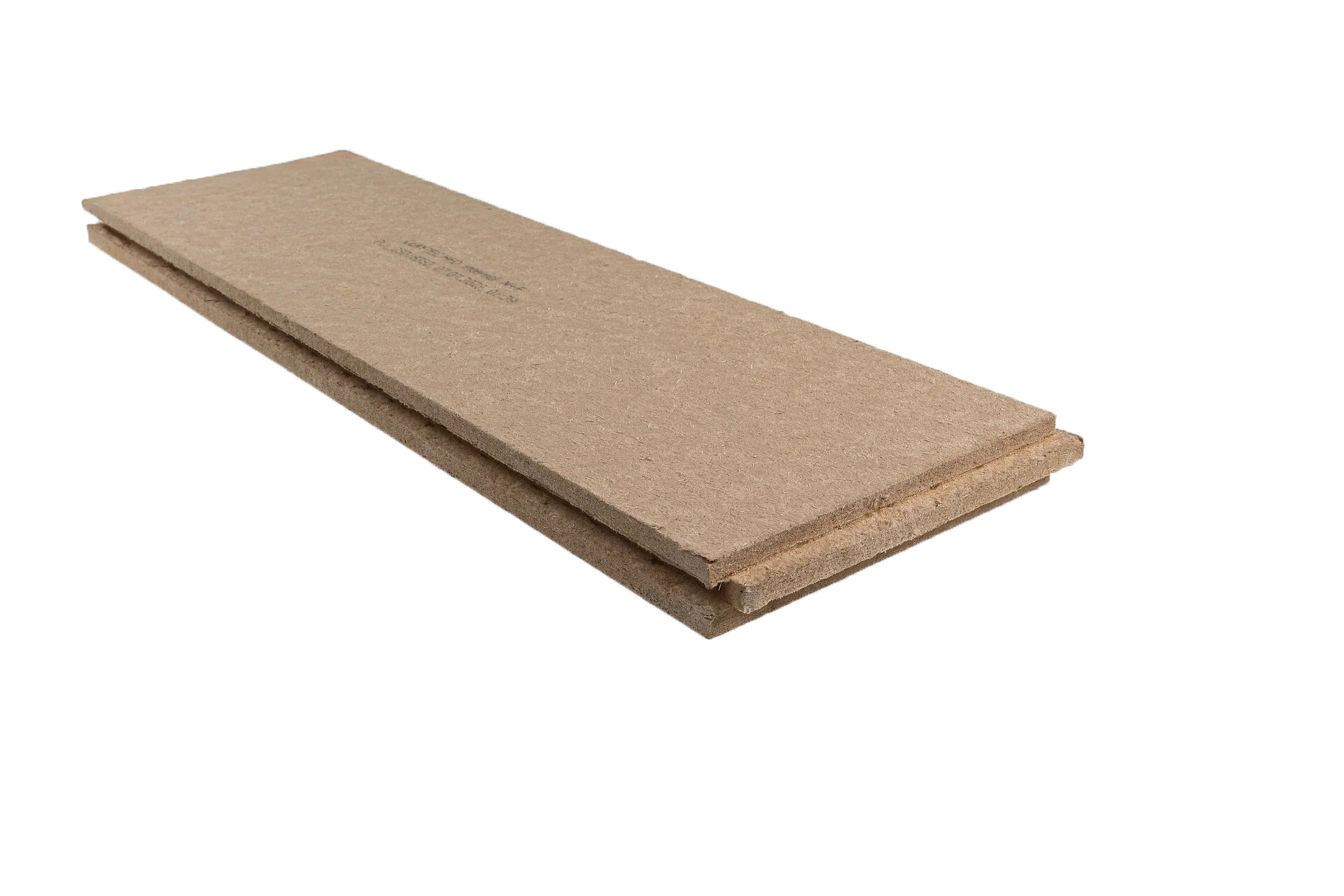
Wood fibre finishing board with tongue and groove: small format, best workability, joints…
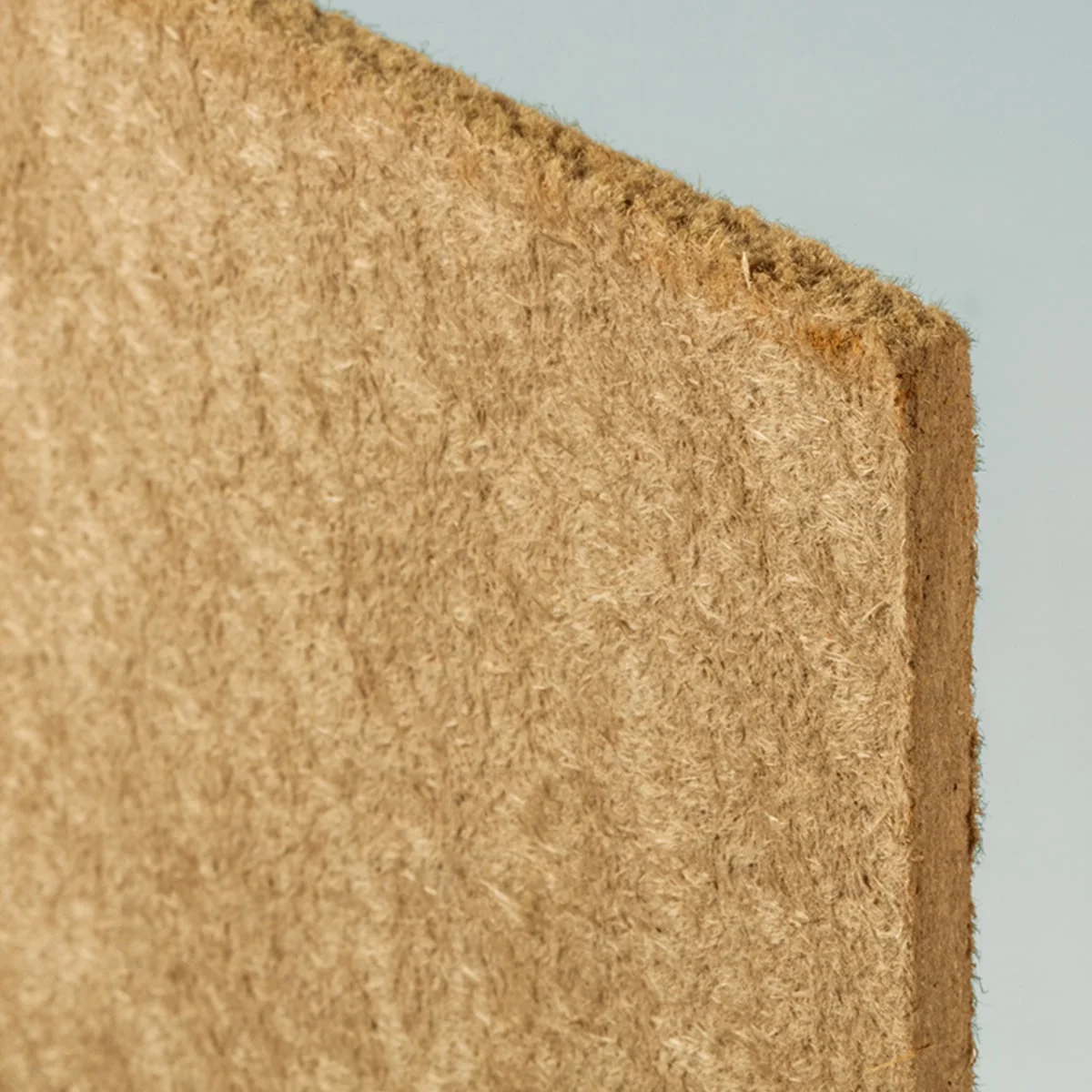
Thin wood fibre finishing board as a plaster base on wood, the easiest way to a secur…
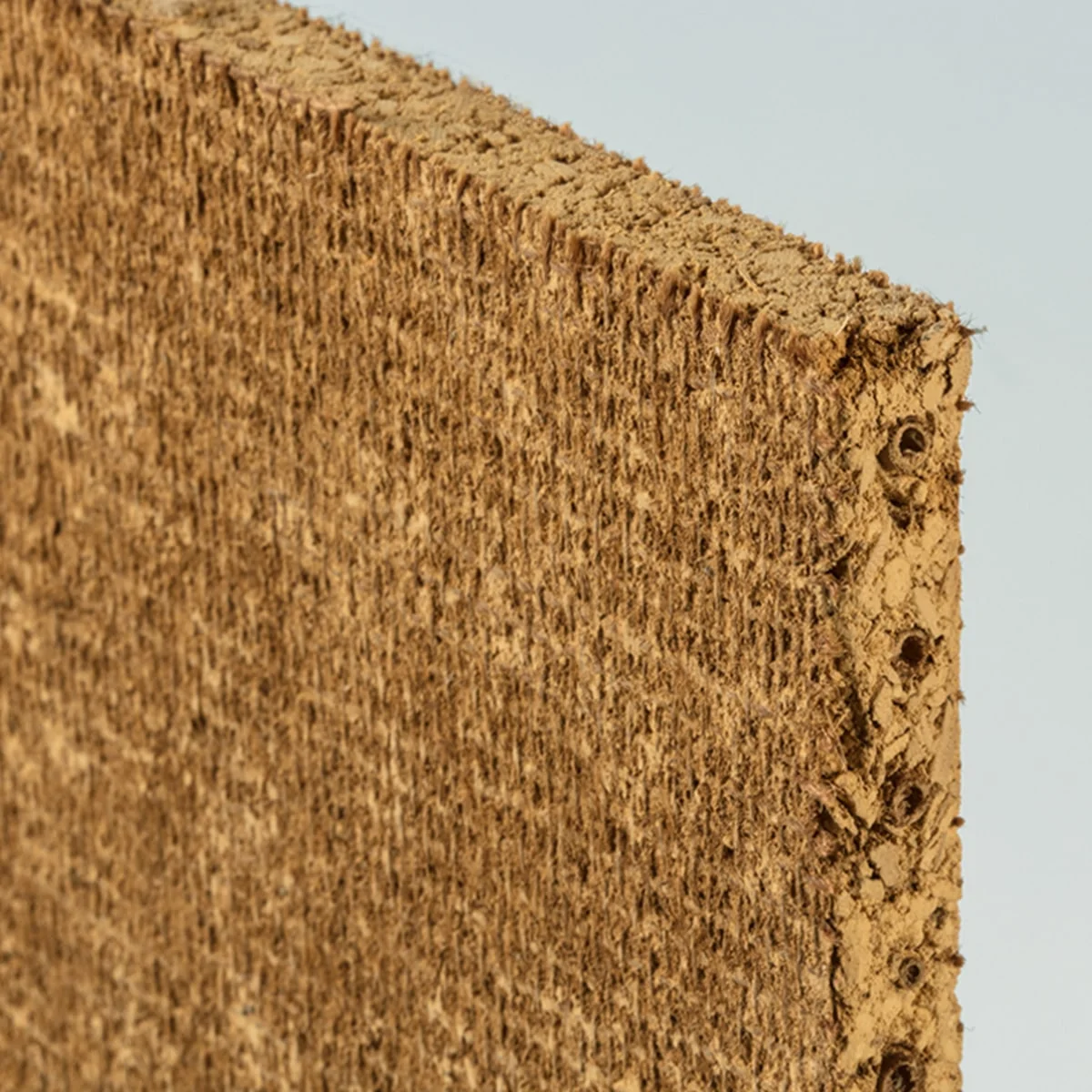
Dry plaster board made of clay and reed, proven for 20 years for quick dry interior fini…
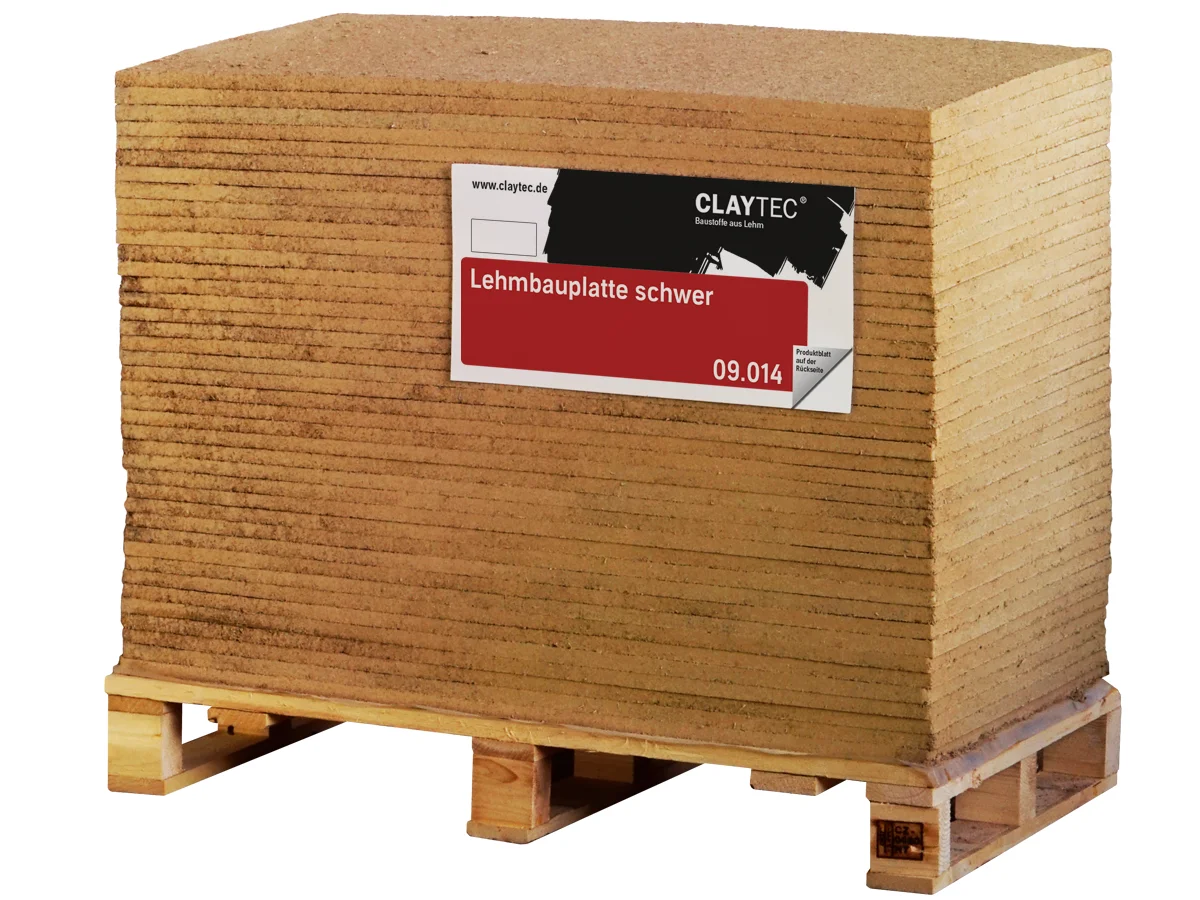
Heavy clay board LEMIX D=16 mm, excellent sound insulation and thermal mass a…
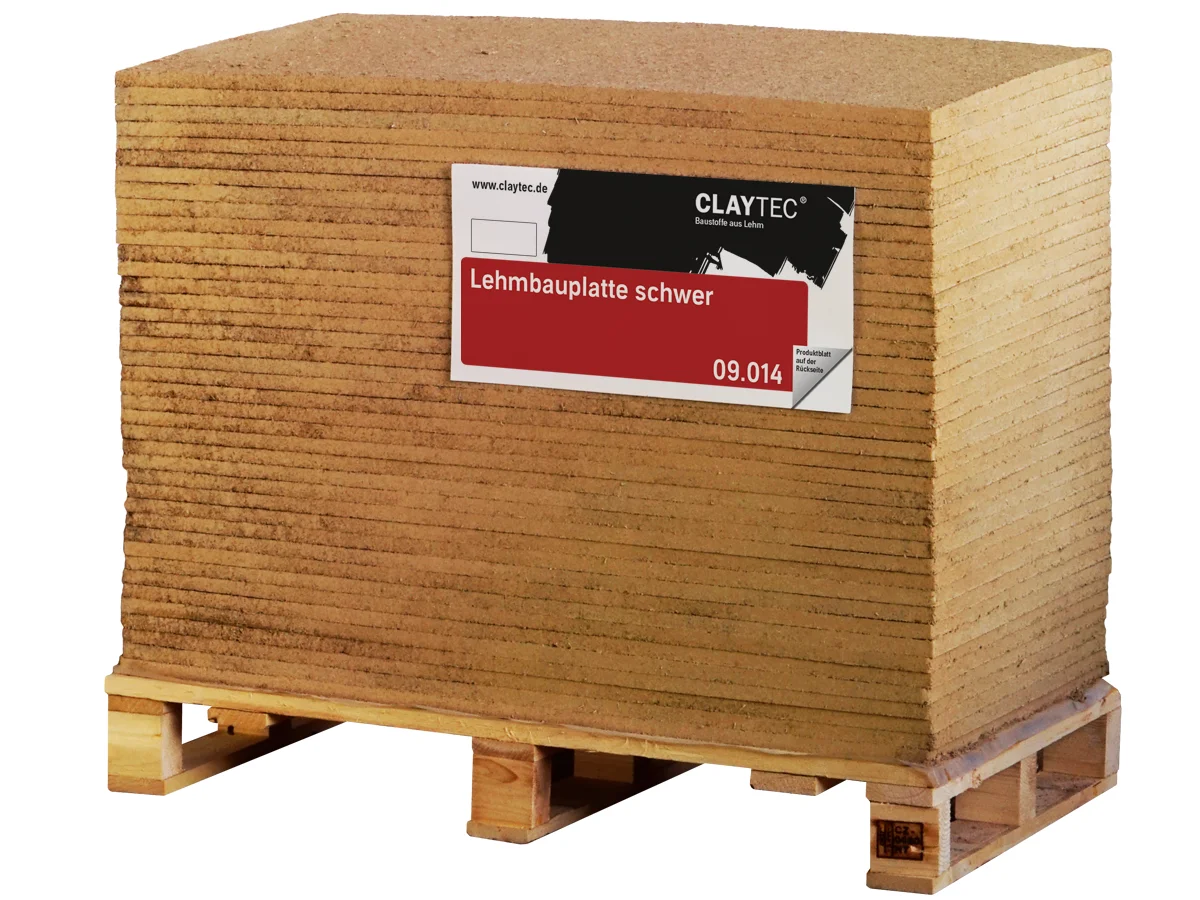
Heavy clay board LEMIX D=22 mm, maximum thermal mass and sound insulation in dr…
The heavy LEMIX clay boards have a bulk density of 1.450 kg/m³ and achieve fire behaviour A2-s1 d0 according to EN 13501. The clay board D22 solar consists of building clay and miscanthus fibres and is dried exclusively with solar energy. You fix both onto timber or metal stud frames. You bond the clay dry plaster board D=16 mm to mineral, absorbent walls; on timber you fix it with screws or staples.
If timber is the plaster base, use a wood fibre fit-out board. Fix the 8 mm HFA thin over the full surface onto solid timber. The 20 mm HFA N+F boards stud frames; thanks to tongue and groove, its joints are also possible in the field. The reed lightweight board is a plaster base with an insulating effect for simple interior insulation: press it into a mortar bed of plastic clay base plaster or screw it with washers onto a drywall substructure. It can only be cut in the 5 cm grid of its stitching.
Requirements, testing and marking of clay boards are laid down in DIN 18948.
For timber stud frames under LEMIX, D22 solar and HFA N+F, ClayTec requires solid softwood according to DIN EN 14081-1 or glulam according to DIN EN 14080, at least C24, grading class S10, with at most 18 % wood moisture. Back the perimeter timbers or profiles against the adjoining components with ClayTec wool felt drywall tape. Do not use rafters, ceiling joists and other load-bearing components directly as fixing points.
How closely the studs are spaced depends on the board and the installation location. For LEMIX D16 the axis spacing on walls is 312,5 mm, for LEMIX D22 and D22 solar 625 mm. On ceilings and sloping roofs, a maximum of 312,5 mm applies to these boards. You will find the screw for each board type and the spacing of the screw points under fixing material.
Tips
Store and install clay boards and HFA boards at 40–70 % relative humidity; even after installation it should not exceed 70 %. Moisture from wet-installed plasters and screeds is not permissible for the boards, which is why drywall work comes after the screed.
Work on joints and coatings from a room temperature of about +10 °C. Let wet-applied clay coatings dry slowly: dehumidifiers or sudden heating lead to deformation and cracks.
Dust off the surface before coating. Close the perimeter board joint with ClayTec clay joint filler. The reinforcement layer of clay adhesive and reinforcing mortar with glass mesh 112 only goes on once all fillings and levelling are dry; I explain mixing and applying the mortar under mortar & adhesive. This is followed by YOSIMA in a rubbed or felted finish, clay top plaster fine 06 or clay filling and surface filler.
According to the manufacturer, thick layers do not make sense on LEMIX. HFA boards take a thick layer; primer, plasters and layer thicknesses for the wall are described under wood fibre insulation. On the ceiling you apply at most 5 mm per layer and at most 10 mm in total on HFA.
Tips
For wall heating you plaster clay boards and LEMIX without pre-treatment; you prepare HFA with DIE ROTE or a notched skim coat. After drying comes a spatter coat of up to 8 mm, then you fill up to the crown of the heating pipes.
Keep the moisture input low when plastering: pre-wet LEMIX, D22 solar and the dry plaster board only lightly with a spray mist if necessary, and the HFA boards and the reed board not at all.
On wall surfaces with little splash water, yes. The ClayTec drywall guide names wall surfaces in domestic kitchens and in bathrooms outside shower areas, i.e. water exposure class W0-I according to DIN 18534-1. This applies to boarding and cladding of ClayTec clay boards, dry plaster boards and HFA boards. There you can also set tiles on the reinforcement layer.