
fast delivery
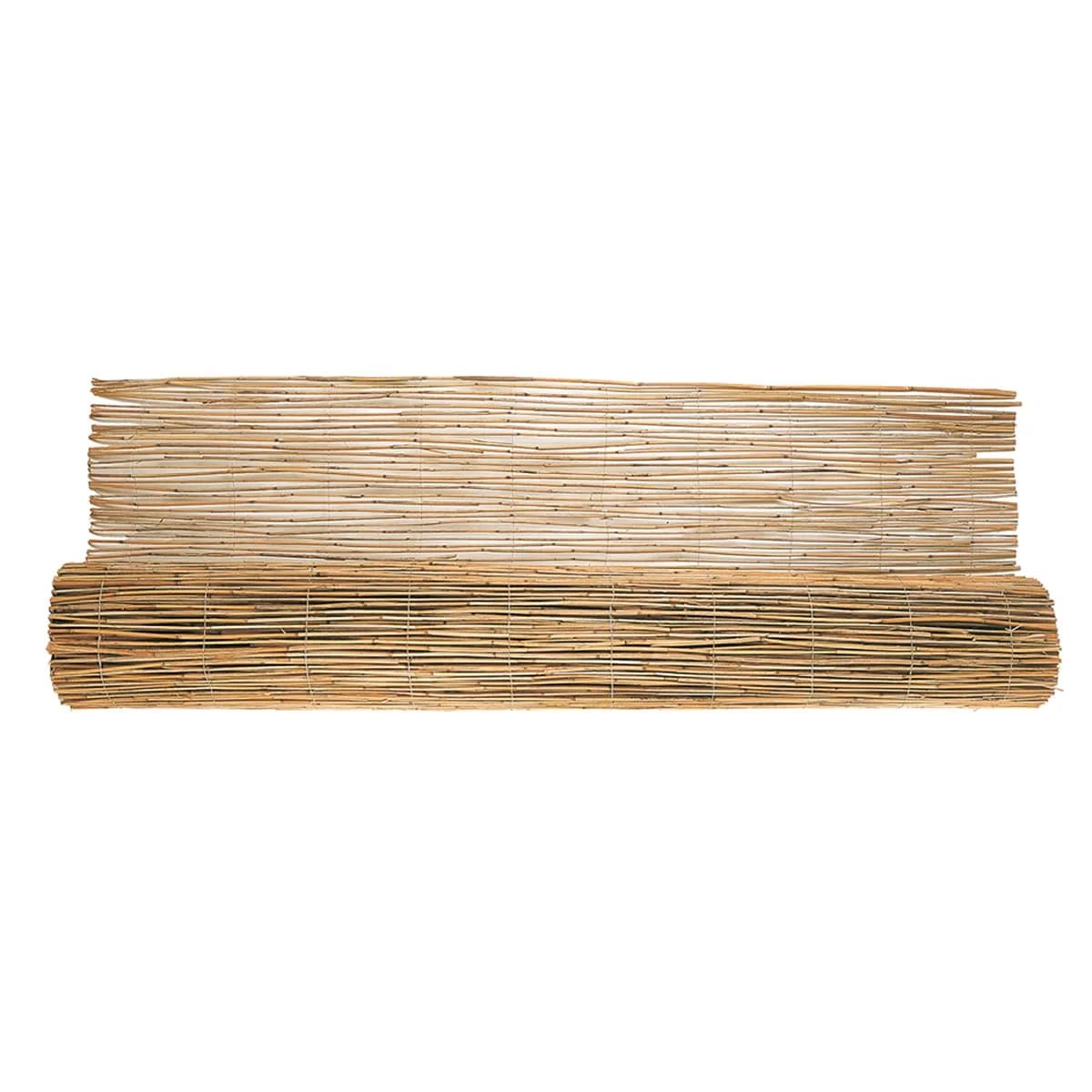
Reed mat St70
Reed mesh St70, the proven plaster base made of natural reed for clay and…
from89,99 €
With clay plaster and drywall construction, good results come from the details: reinforcing fabric, joint reinforcement, plaster base and drywall tape.
8 products in Consumables
Reed mesh St70, the proven plaster base made of natural reed for clay and…
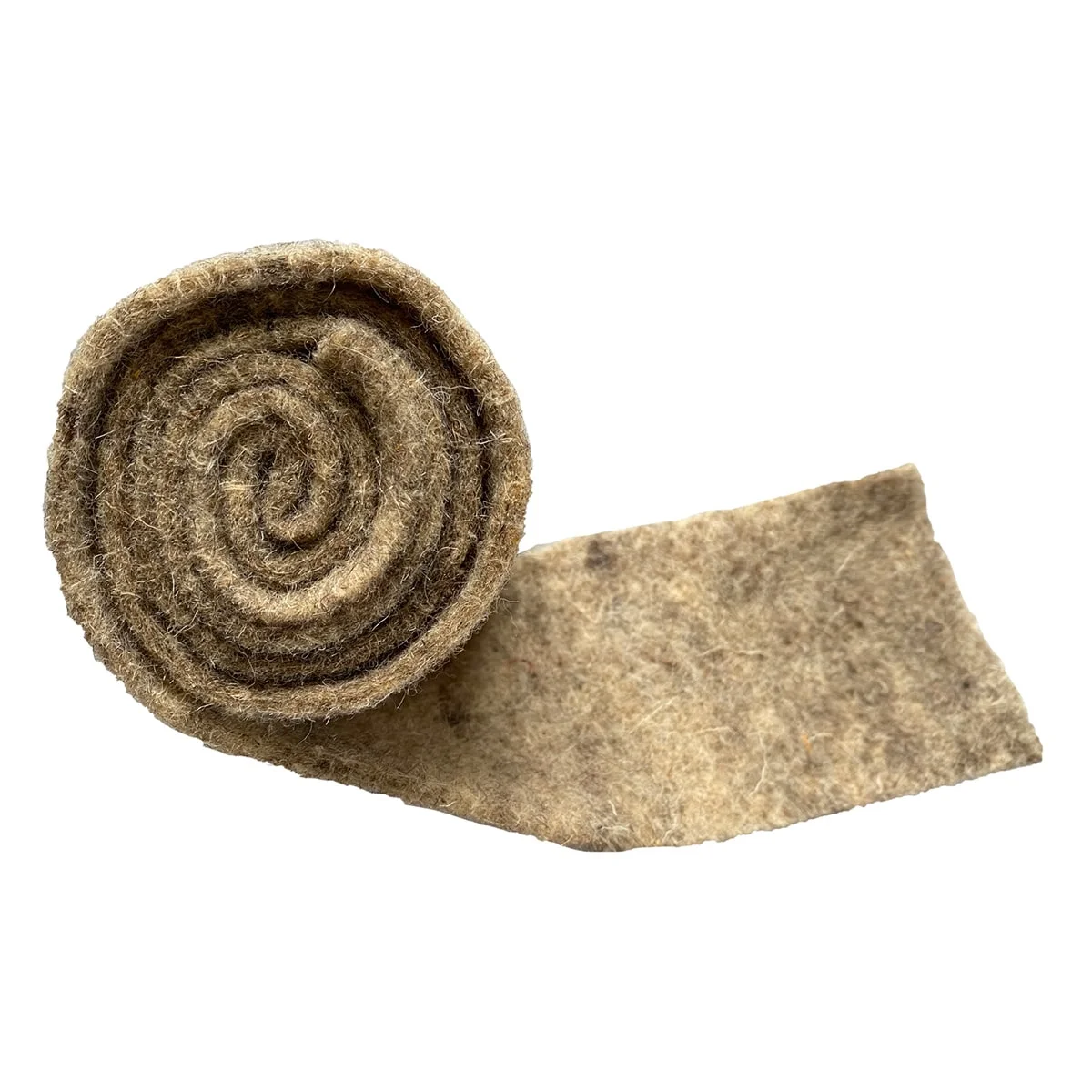
ClayTec drywall tape made of wool felt as a connection seal for drywalls.
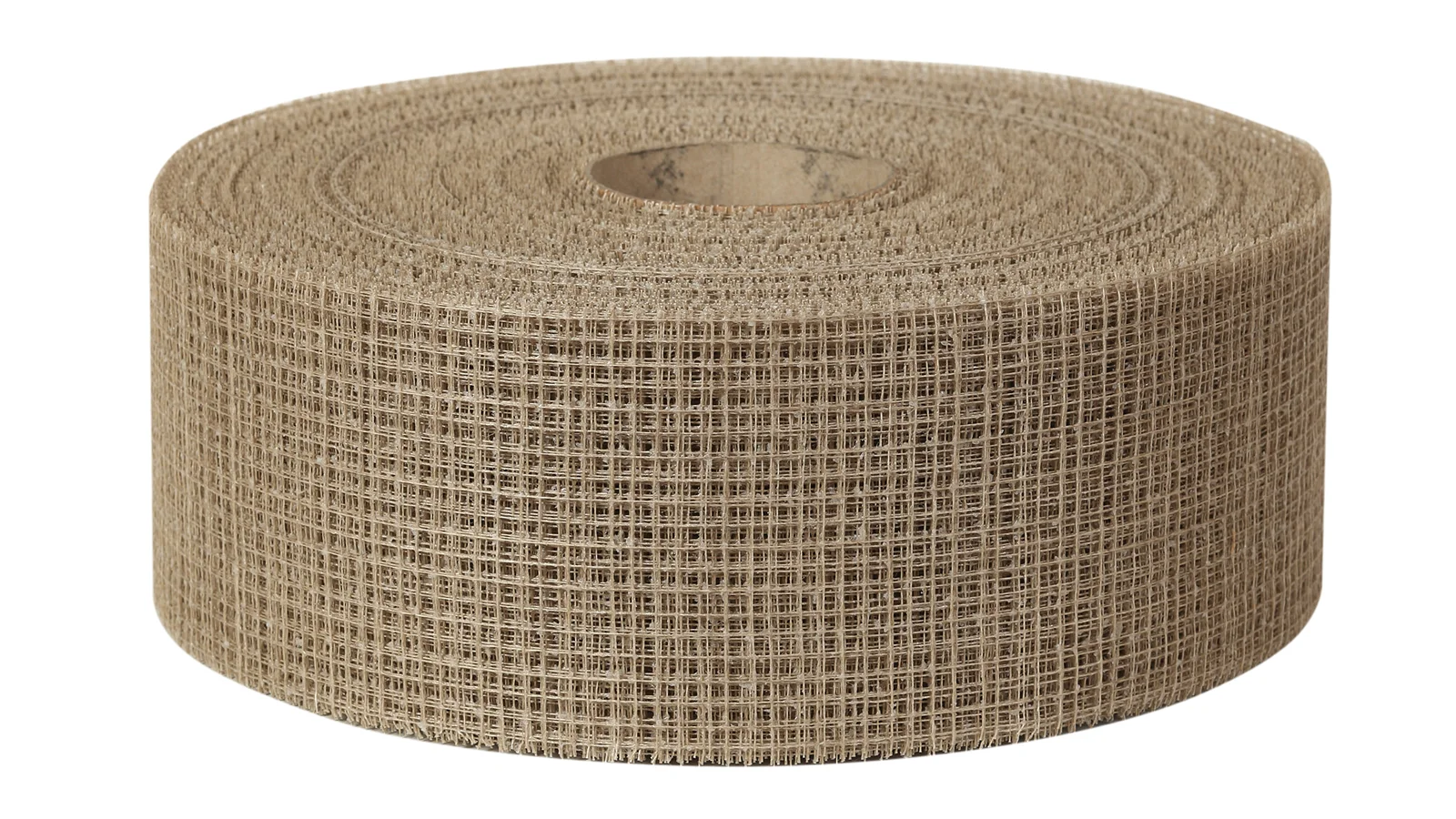
Jute joint reinforcement, for clean joints!
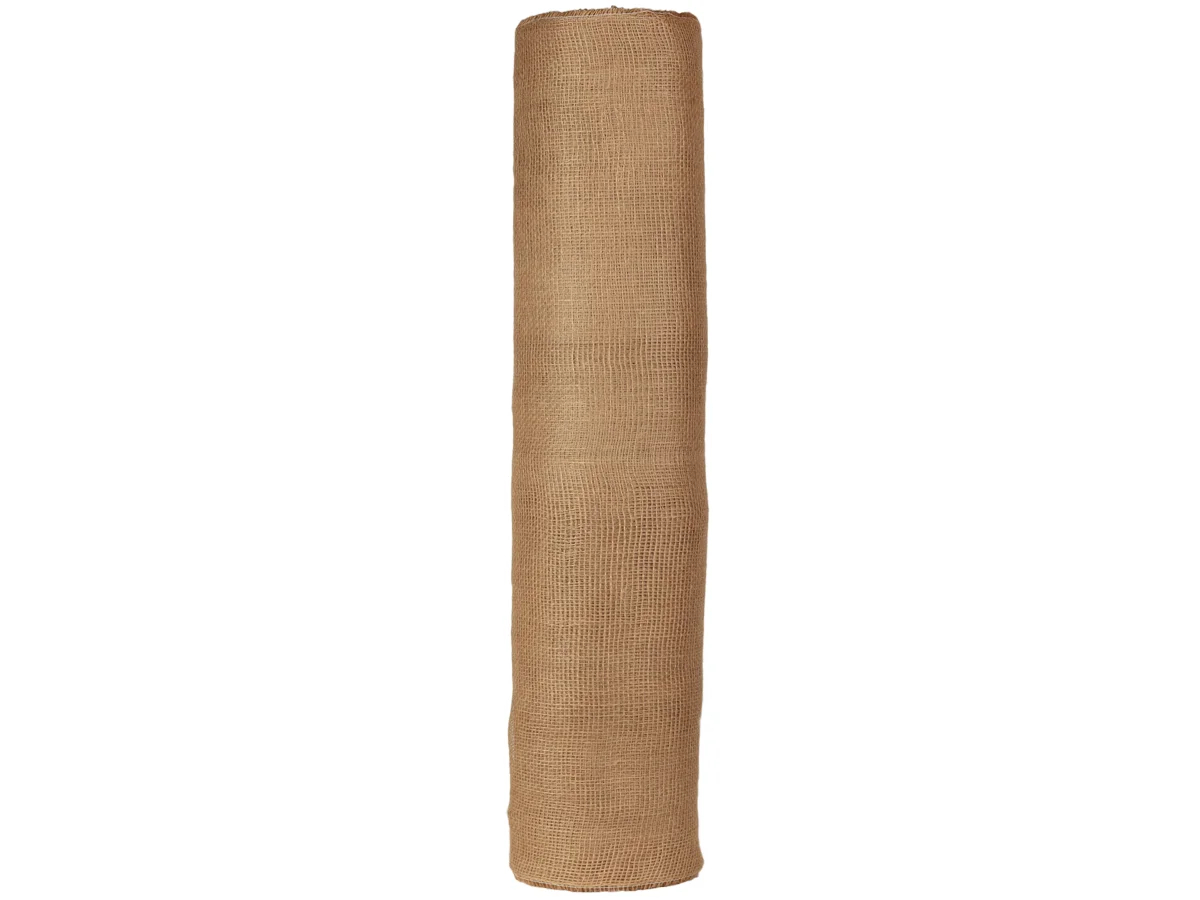
Jute fabric roll, natural reinforcement!
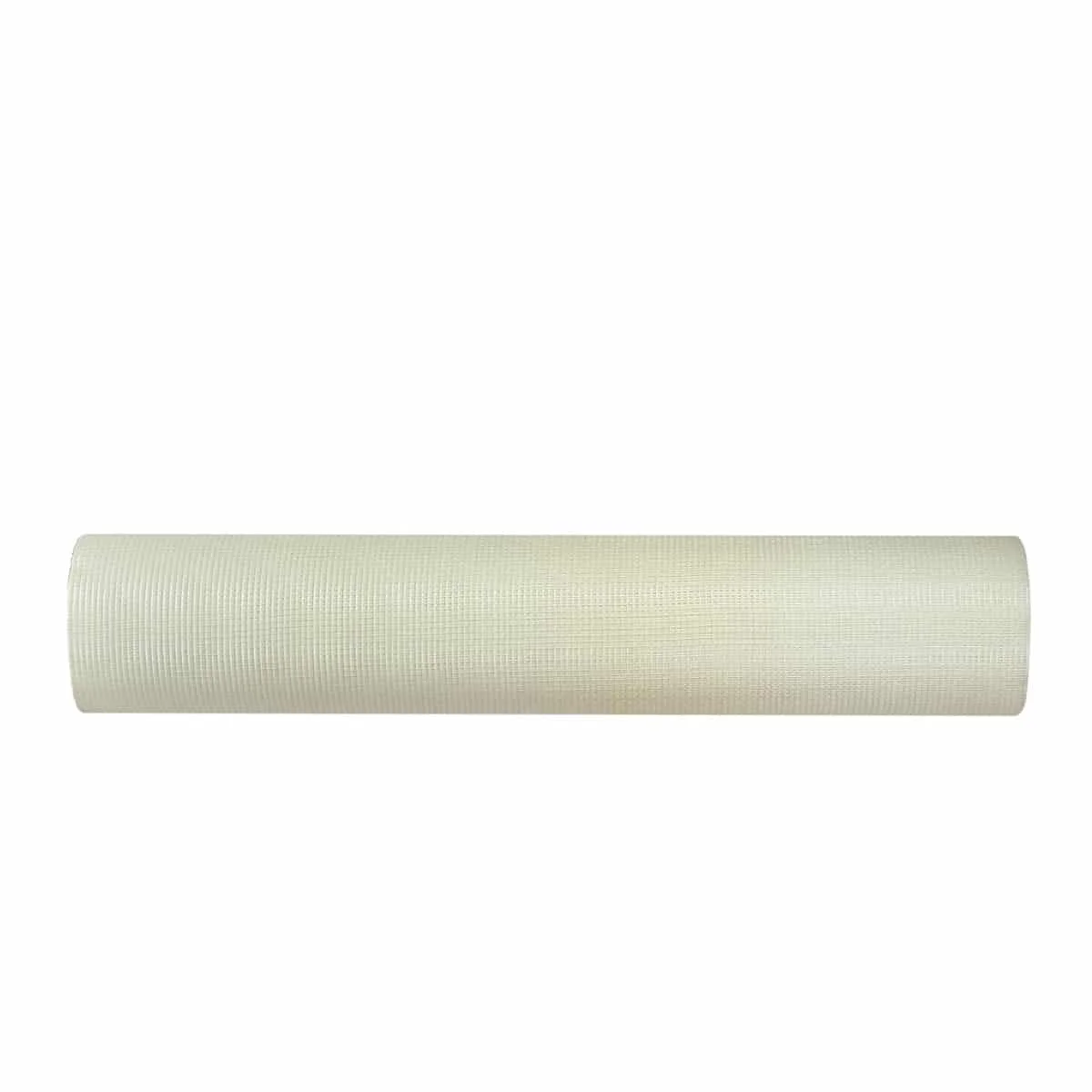
Glass fibre fabric 112 g/m² for reinforced reinforcement of clay plasters, especially for heavily st…
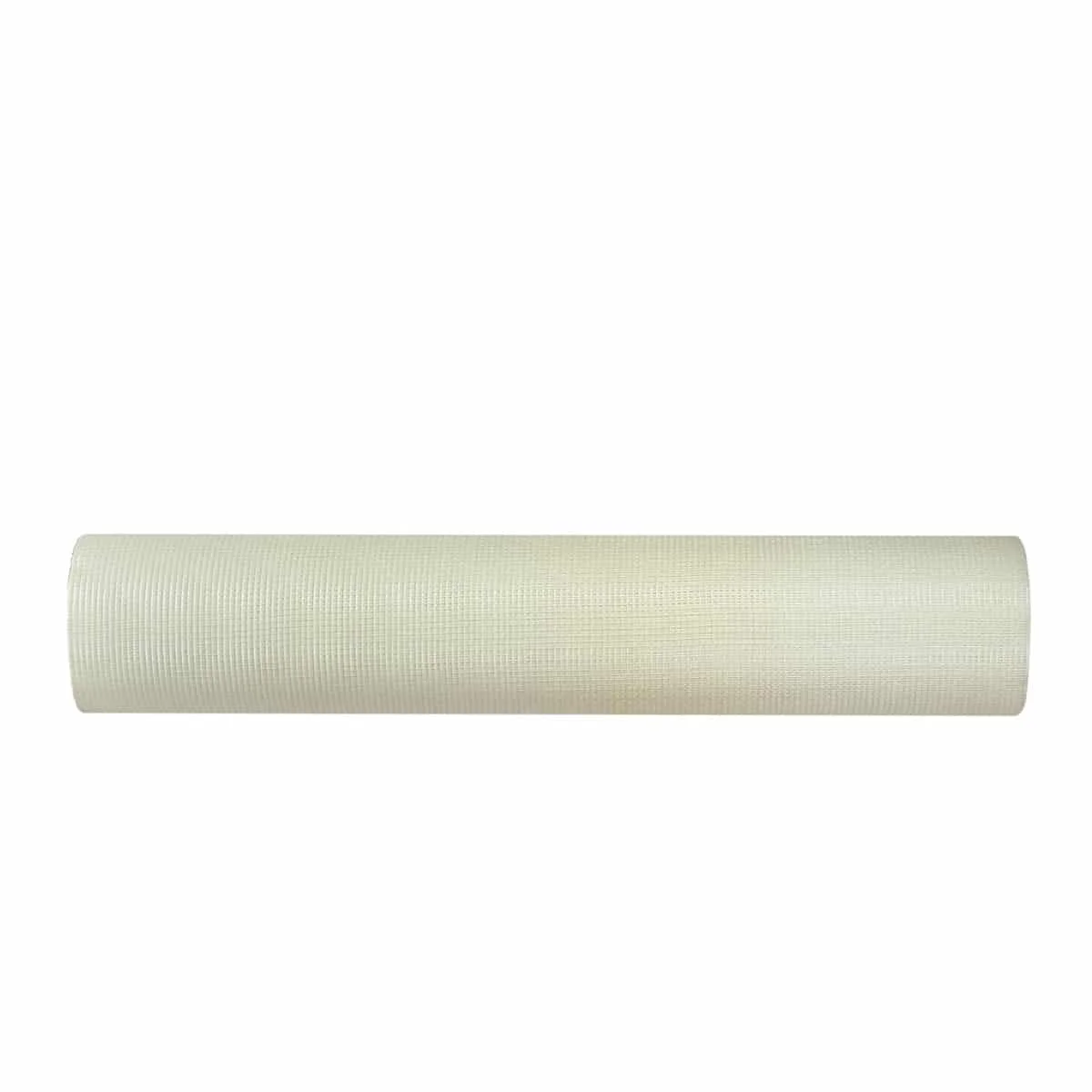
Glass fibre fabric 60 g/m² for the standard reinforcement of clay plasters and clay paints, prevents…
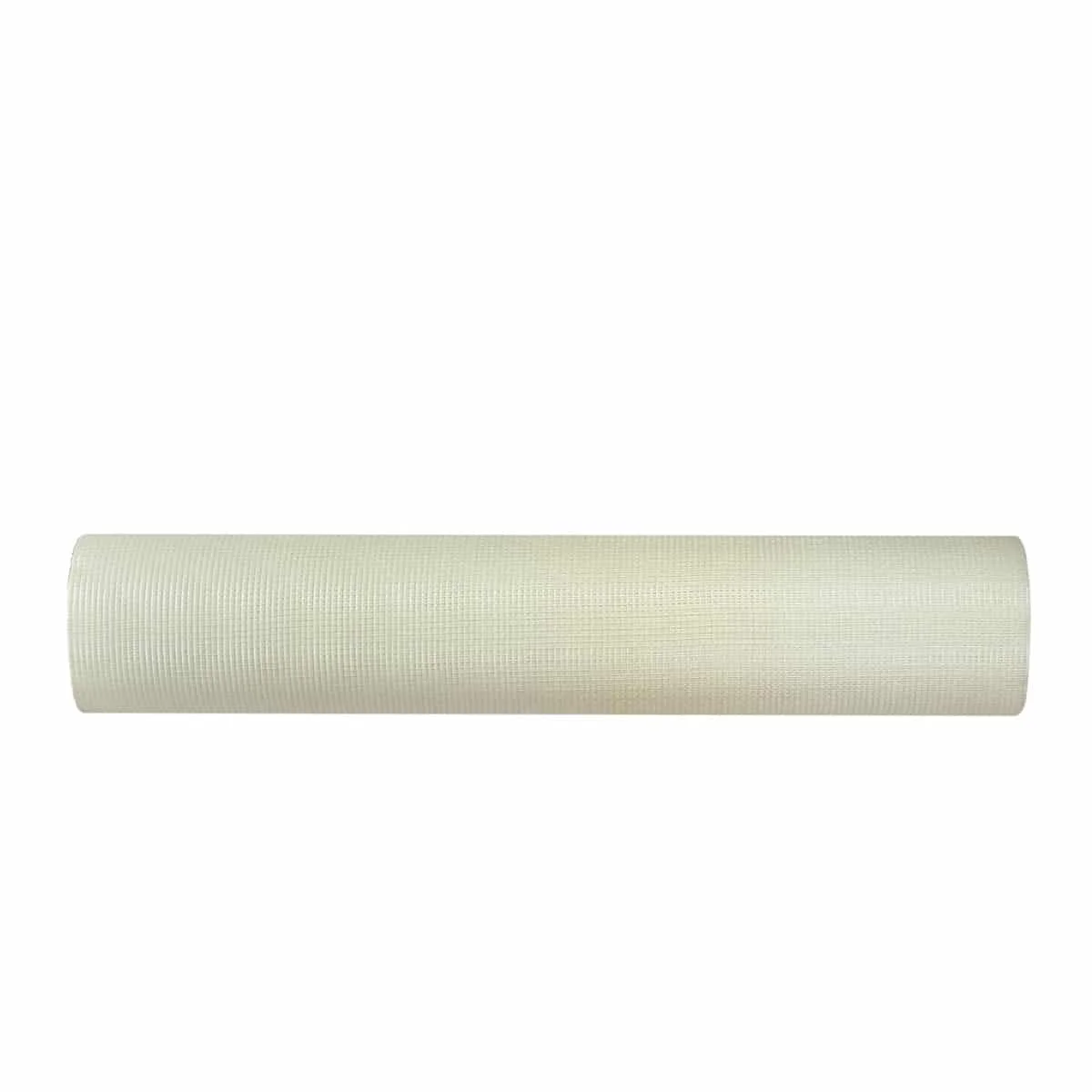
Glass fibre joint reinforcement for clean and crack-free joints of plasterboard and gypsum fibre…
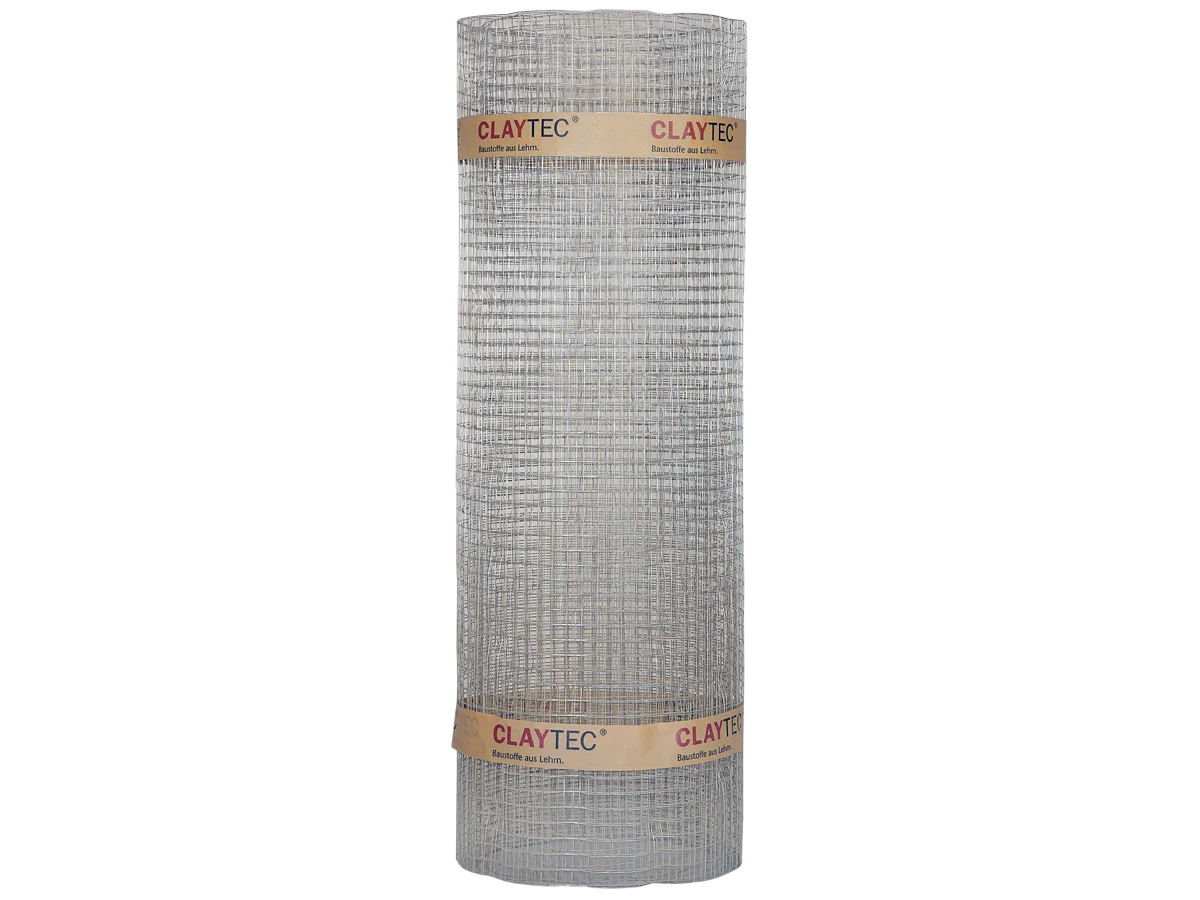
Special stainless steel plaster base mesh for exterior facades and permanently damp areas.
Glass mesh 112 g/m² is the surface reinforcement for boarding and cladding of clay boards and wood fibre fit-out boards in drywall; there you embed it in 3 mm of clay adhesive and reinforcing mortar. You use glass mesh 60 as surface reinforcement in clay plasters and on HFD interior insulation boards.
Jute mesh is a plain-weave fabric made of jute yarn, finished with starch. ClayTec specifies it as surface reinforcement for clay plasters on solid substrates indoors. You do not use jute mesh on boarding and cladding made of clay boards or HFA boards.
Lay the mesh onto the freshly applied, still plastic mortar and work it in with the felt or sponge float. At the joints the strips overlap by about 10 cm; plan some reserve for this and for offcuts. With glass mesh 112, draw the mortar over the double-layer overlaps; on the rest of the surface the mesh remains lightly covered, and the mesh can still just be seen afterwards.
Tips
The 8 cm wide glass mesh joint reinforcement reinforces joints on plasterboard and gypsum fibreboard before a clay design plaster follows. Lay it on a thin gypsum filler bed of at least 1 mm, cover it thinly and skim the surface. With boards with HRAK or AK long edges, also reinforce the short cross edges. If you use jute as joint reinforcement, plaster it in thinly with clay top plaster fine, leave out the crossing areas and let the mortar dry out completely before plastering further.
ClayTec drywall tape made of wool felt is available in 50 mm width for wood 60 mm or CW 50 and in 75 mm for wood 80 mm or CW 75.
Reed mesh St70 is a plaster base of untreated reed for clay and lime plasters, for example on timber components and ceilings. Cut it, wires and all, with secateurs; pieces with stems shorter than 30 cm are unstable. It is fixed with galvanised staples at intervals of 5–7 cm, at least 16 mm long on walls and at least 25 mm on ceilings and sloping roofs. The continuous stronger base wire faces the room. In thick layers of clay base plaster, embed the reed mat in the still damp first layer and cover it immediately with the second.
The special stainless steel plaster base mesh is intended for lime plaster on heavily weathered timber frame infills. Overlap the joints by about 5 cm; it is fixed with stainless steel facade screws.
Tips
A plaster base does not replace substrate preparation. Even with stainless steel mesh, a permanent, full-surface bond must form between the plaster base and the lime plaster; you therefore prepare the substrate as carefully as without a plaster carrier.
Embedded mesh prevents cracks in the plaster. It is needed above all where different substrates meet or changes of material are bridged, on boards in drywall and on interior insulation. There, according to ClayTec, the reinforced layer also contributes to the wind and airtightness of the wall.