
Bestseller
fast delivery
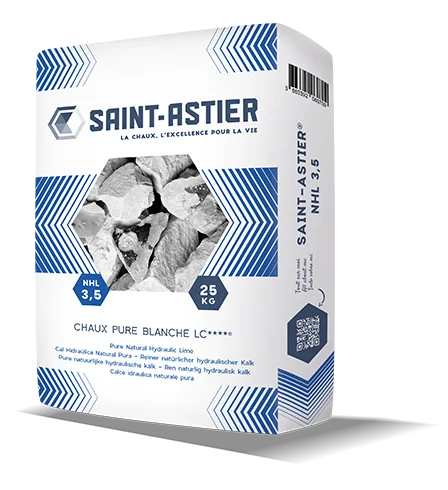
Saint-Astier® NHL 3,5, the versatile one
Natural hydraulic lime NHL 3,5, the most versatile variant of the Saint-Astier NHL range.…
18,47 €
Use lime plasters and lime paints where clay cannot be used, for example on exterior walls and in the plinth area. For this there are lime plasters and lime paint from Gräfix as well as limes and mortars from Saint-Astier.
13 products in Lime plaster
Natural hydraulic lime NHL 3,5, the most versatile variant of the Saint-Astier NHL range.…
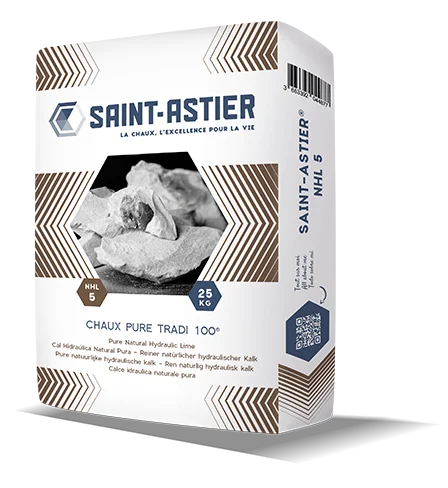
Natural hydraulic lime NHL 5, the strongest in the Saint-Astier NHL range. High compressive stre…
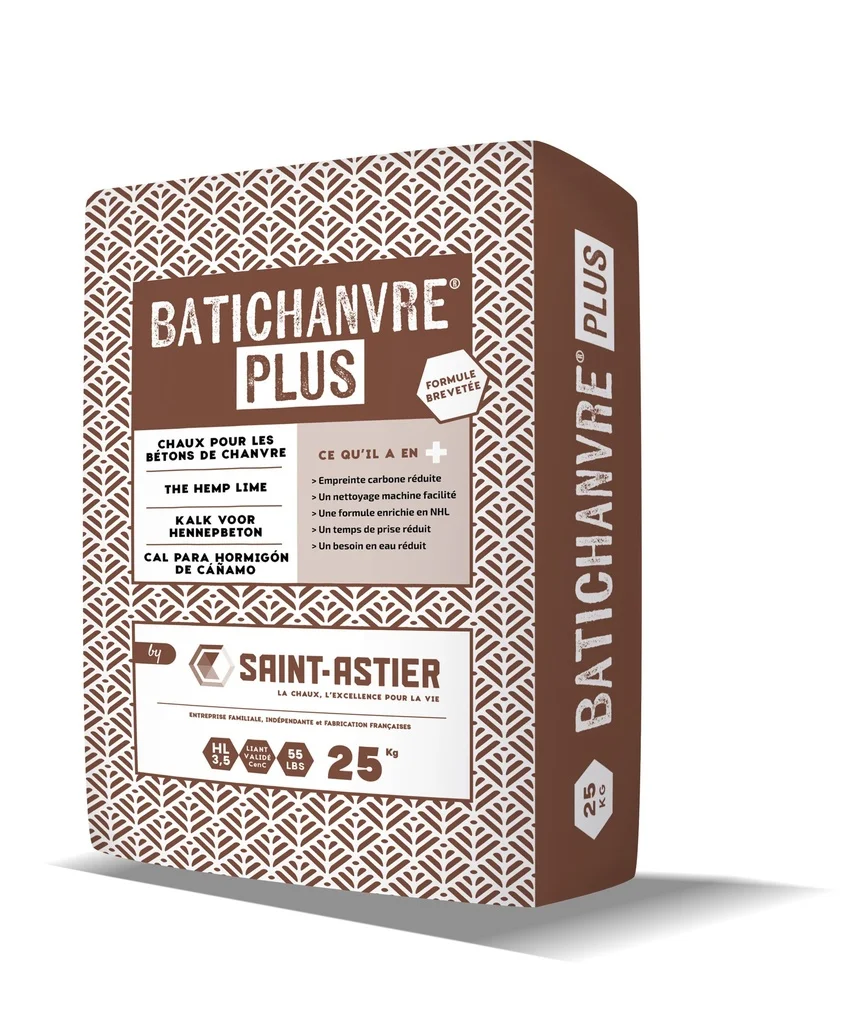
Lime binder for hempcrete (HL 3,5, predominantly pure natural hydraulic li…
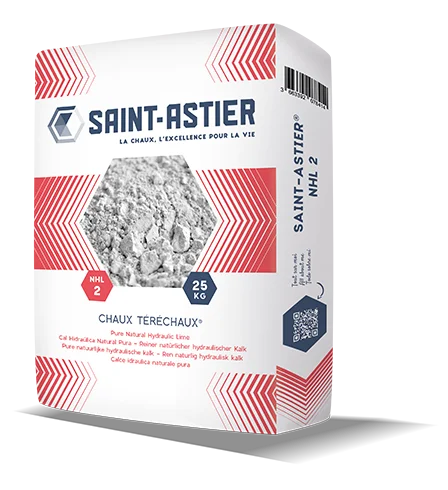
Natural hydraulic lime NHL 2, the gentlest Saint-Astier for sensitive historic…
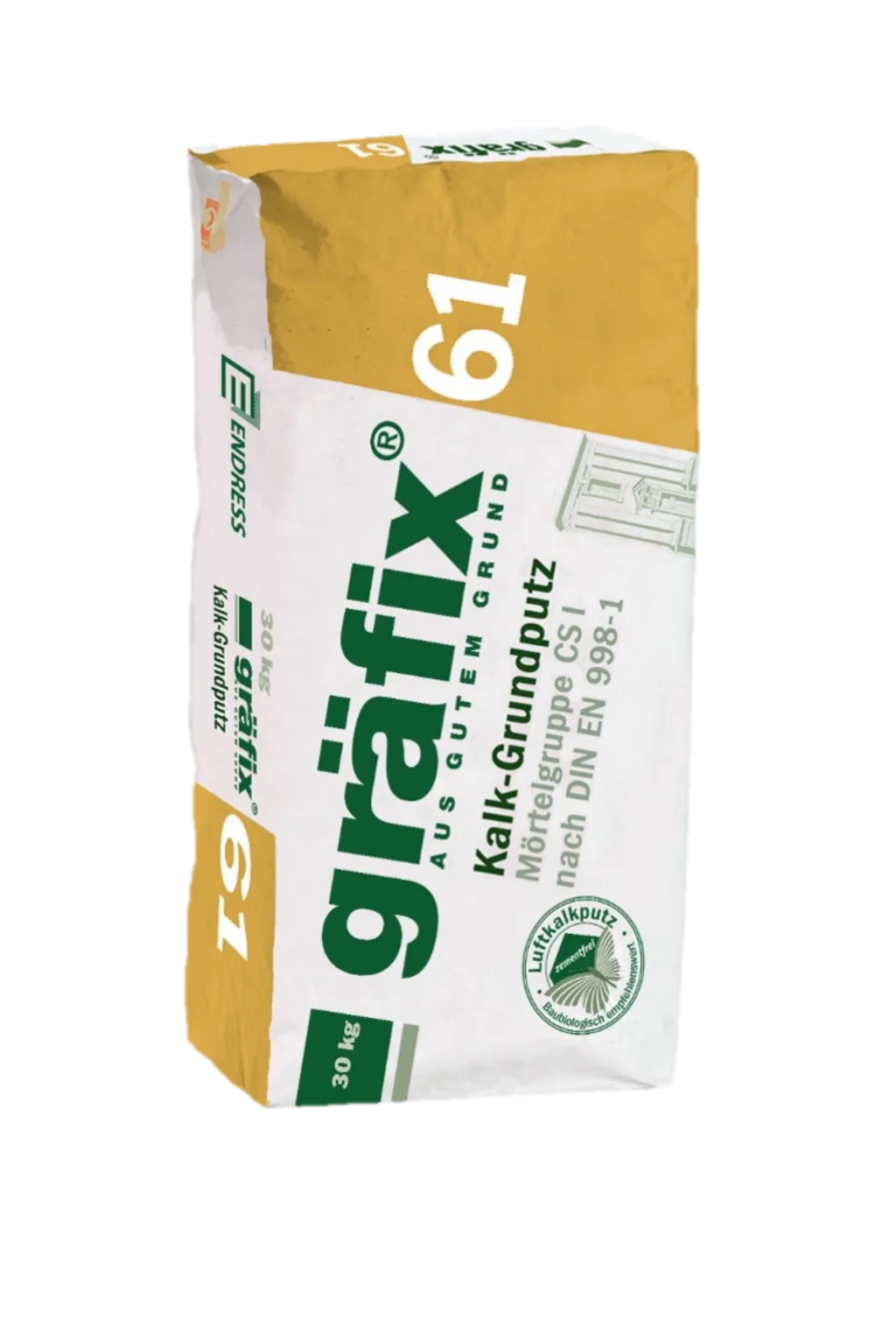
Lime base plaster based on air lime without synthetic resins, for interior plaster and for exterior plaster with a…
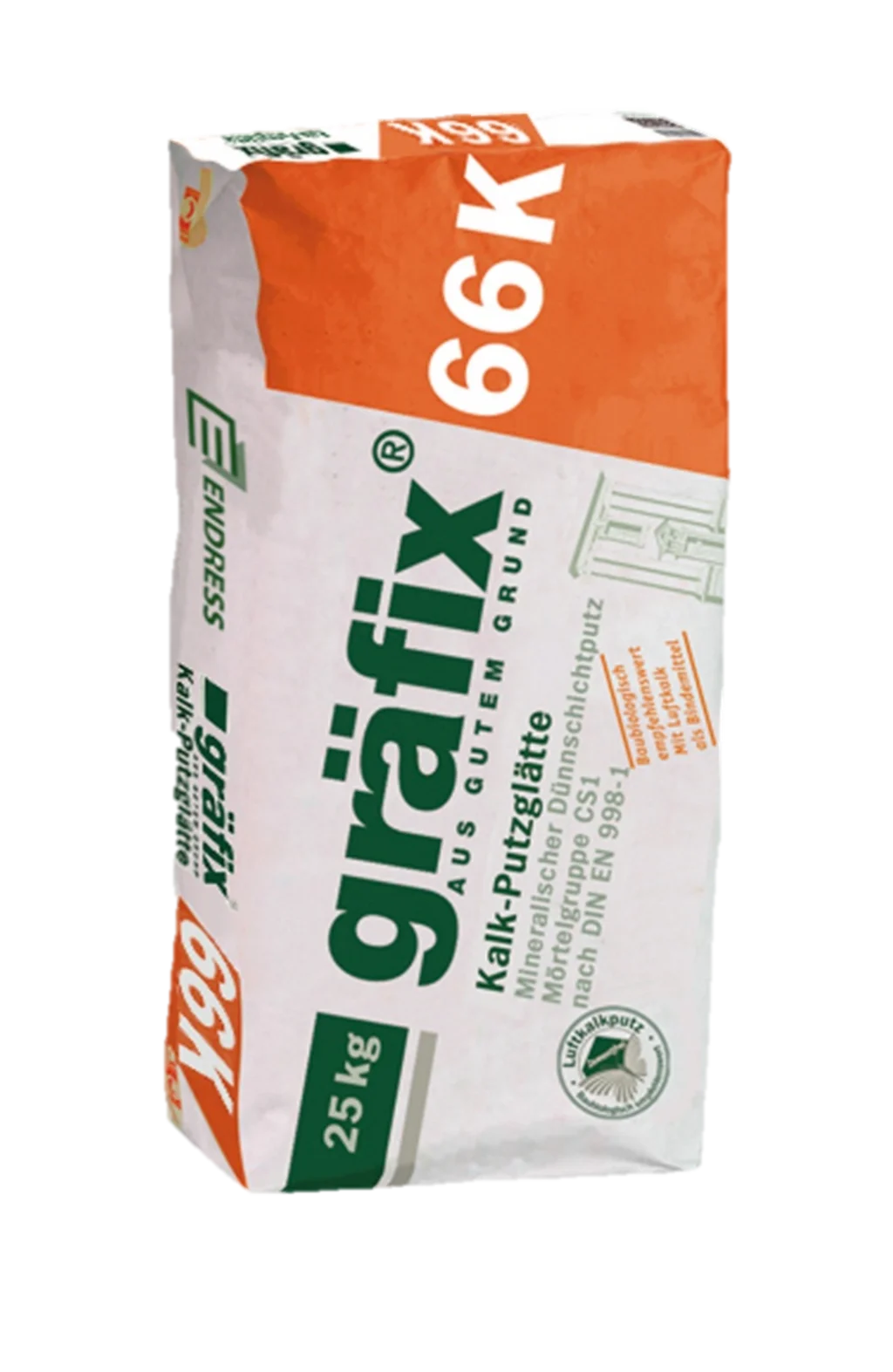
Fine lime smoothing filler without synthetic resin for very smooth surfaces, the fini…
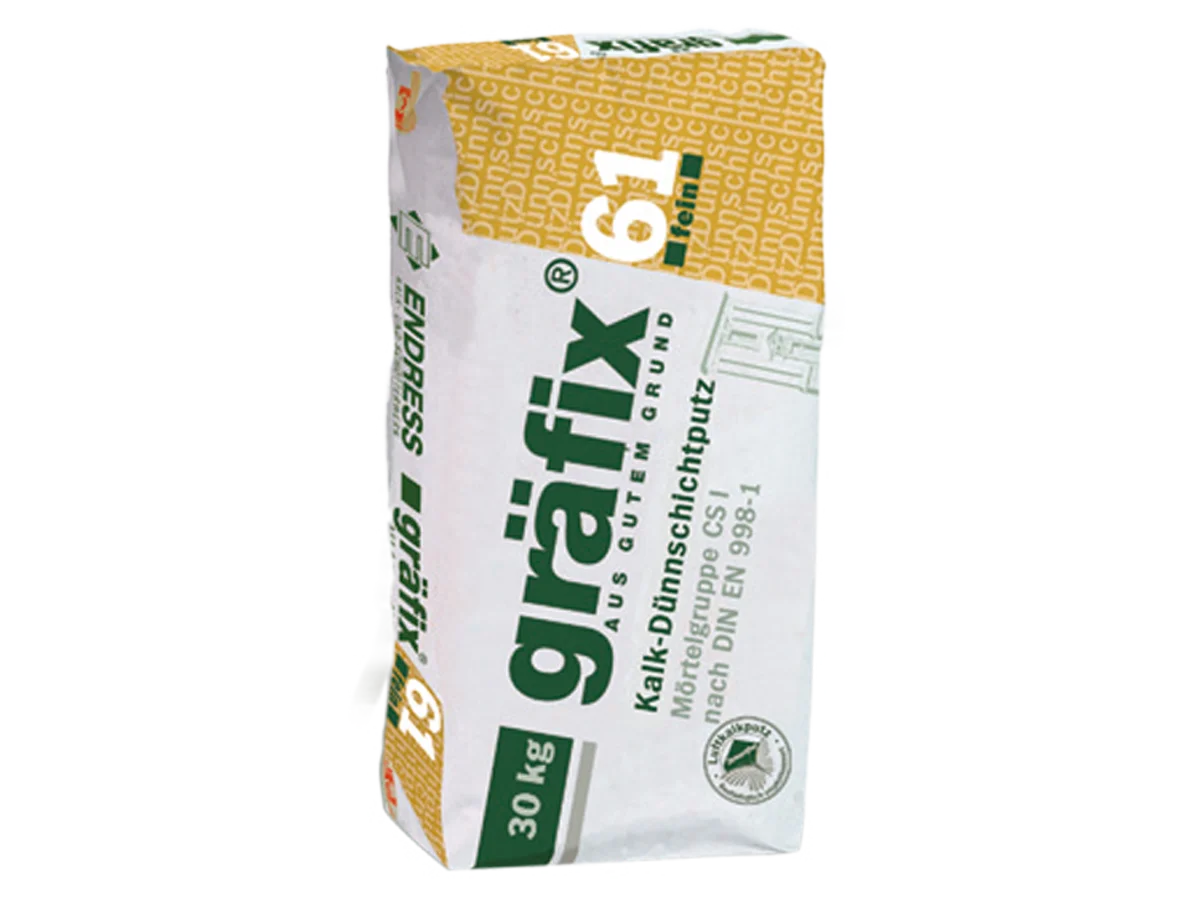
Cement-free air lime mortar for monument conservation and timber frame renovation, the fine finishing plaster…
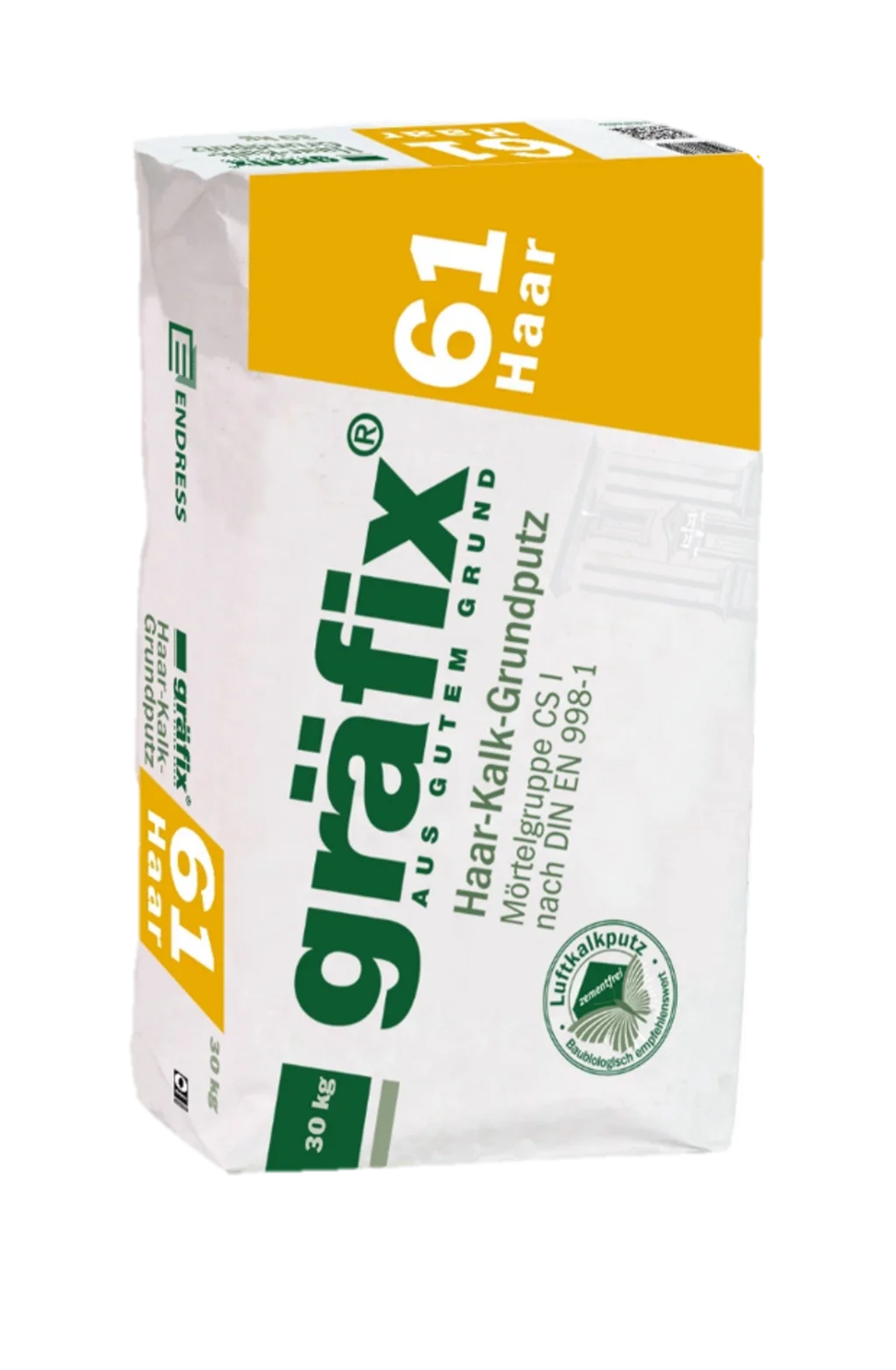
Coarse-grained lime base plaster with animal hair as exterior plaster on clay substrates in timb…
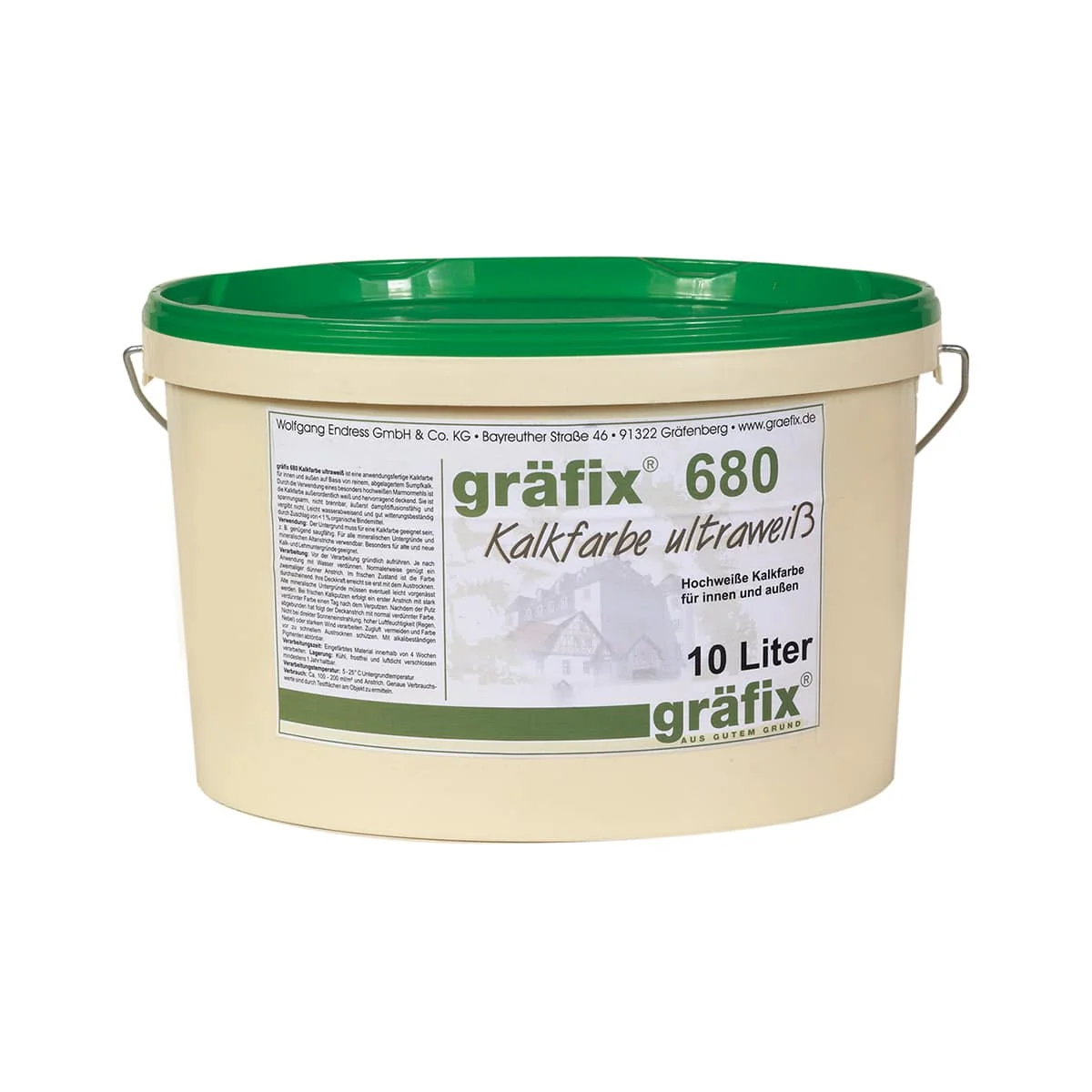
High-quality Gräfix 680 lime paint based on lime putty for naturally white, breathable…
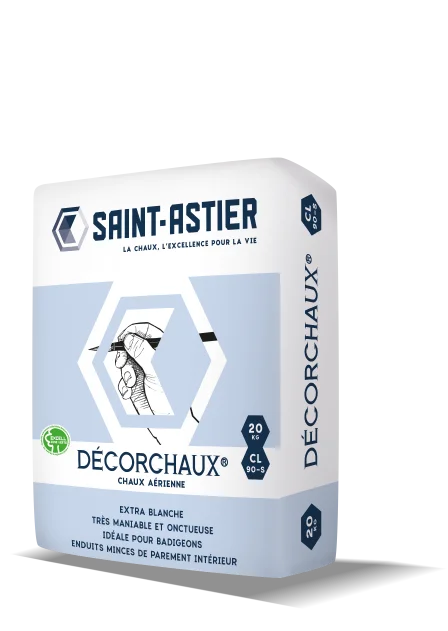
High-quality white hydrated lime CL 90 for lime plasters, lime paints and limewash. Very high pu…
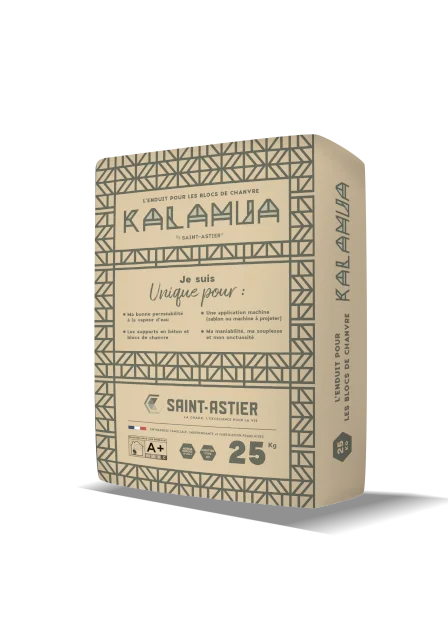
Plaster based on hydraulic lime from Saint-Astier, developed for hempcrete and hem…
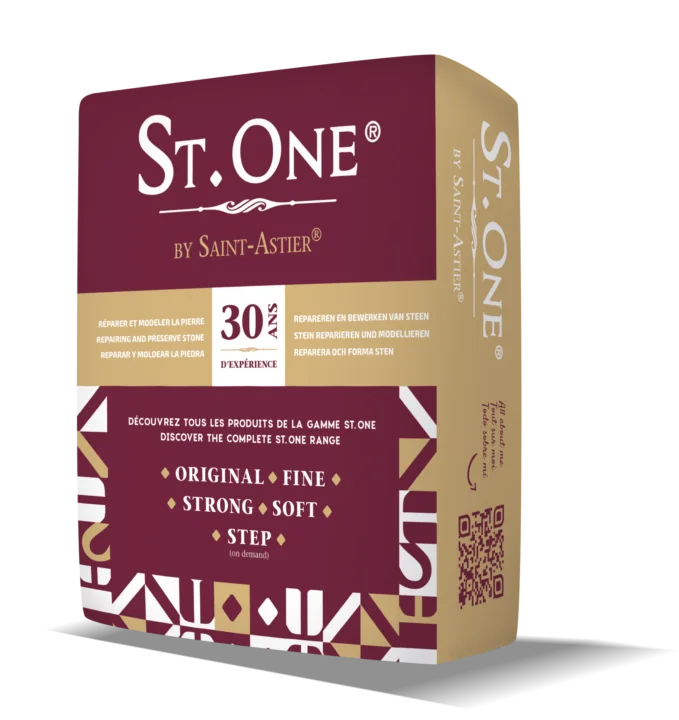
Fine-grained repair mortar based on Saint-Astier lime for soft to hard natural…
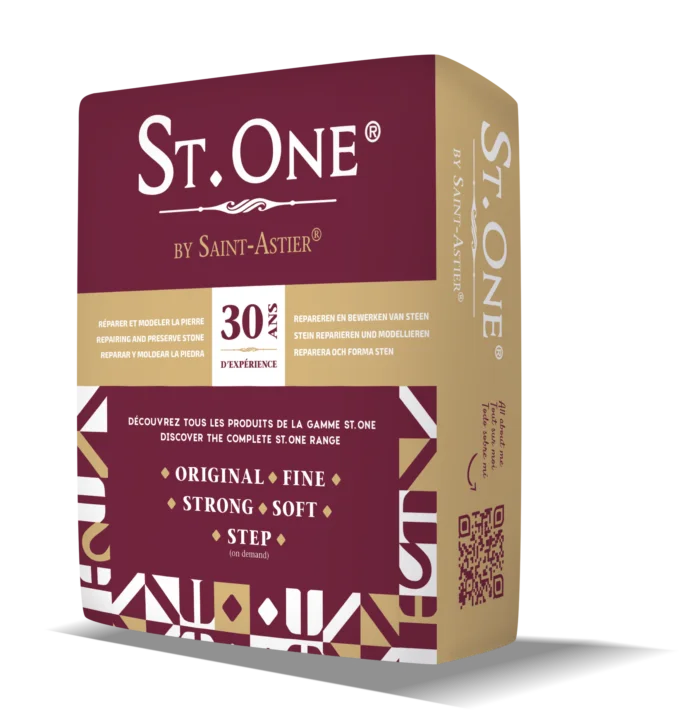
Repair mortar based on Saint-Astier lime for stones and bricks. Up to 10 cm thickness…
I stock two lime systems. The Gräfix plasters of the 61 series are air lime mortars without cement and synthetic resin, strength class CS I according to DIN EN 998-1. The Saint-Astier limes NHL 2, NHL 3,5 and NHL 5 are natural hydraulic limes according to EN 459-1 that you mix yourself with sand. Their typical compressive strength after 28 days rises from 3,5 through 7 to 9 N/mm².
NHL 2 is intended for plasters on clay, straw clay, rammed earth, clay blocks and very soft natural stone. NHL 3,5 covers plasters on old and new masonry and laying soft to medium-hard stones. You use NHL 5 for plinths, stressed outdoor areas, lime concrete and medium-hard to hard stones; Saint-Astier recommends NHL 3,5 for the top plaster there too.
Decorchaux CL 90 is an air lime for finishing plasters about 5 mm thick and lime paints. Because of its low strength, scraped, coarse or brushed surfaces made with it can sand permanently. KALAMUA is a plaster for hempcrete and hemp blocks. ST.ONE original and fine are repair mortars for natural stone, ST.ONE original also for brick; they do not belong on clay or hempcrete.
Gräfix 61 coarse lime base plaster with hair is made for exterior plaster on clay substrates in timber frame renovation. The clay infill must be completely dry and dust-free. Roughen straw clay carefully (perforate) and rake out masonry joints sharp-edged to a depth of 3 mm. Immediately before application, pre-wet the plaster base panel by panel with a spray mist without water standing in the pores. If you work with NHL 2, moisten the clay substrate beforehand with lime milk and apply the spatter coat wet on wet.
Work the first layer in firmly with a wooden float or throw it on with the trowel; metal smoothers are unsuitable for base plaster layers. Each layer is 8–12 mm thick, the build-up is always multi-layered, and you work from the edge of the panel into the surface. In the top layer, make a trowel cut of 2–3 mm without chamfer at the beam connection. Depending on the desired surface, lime base plaster or fine lime thin-layer plaster follows as the top layer, and for very smooth surfaces also the lime plaster smoothing coat 66 K.
Tips
Let the first layer of Gräfix base plaster dry completely, at least one day per millimetre of plaster thickness, before the next follows. In heat and wind, keep the plaster damp in the first days with a fine spray mist so that it does not dry out too fast. At too low temperatures and high humidity, it sets only slowly and insufficiently.
You apply the Gräfix plasters at a substrate temperature of 5–25 °C, the Saint-Astier limes at 8–30 °C. With NHL 3,5 applied by hand, the base plaster follows 2 days after the spatter coat and the top plaster 7 days after the base plaster. Protect fresh NHL mortar from frost for at least 10 days.
Gräfix 680 lime paint protects lime exterior plasters from the weather and is also suitable for ClayTec clay interior plasters, which you carefully pre-wet with a spray mist beforehand. Pre-wet cured lime plasters thoroughly 1–2 days beforehand and again before each coat. Dilute the paint so that it stands wet on the surface for at least 10 minutes; on smoothed clay plaster add about 25 % water, on felted 15–20 %.
Paint thinly and wet on wet with a brush or wide brush. The fresh coat is largely transparent; covering power develops as it sets and is reached after 3–4 coats, with about a day between two coats. Heavy chalking indicates a coat that has dried out too fast. More heavily weathered surfaces usually need repainting after 3–5 years.
Lime is strongly alkaline. For the Saint-Astier NHL limes, the manufacturer states a pH value of 12 to 13 and warns of skin irritation and serious eye damage; for Gräfix lime paint, ClayTec names possible chemical burns on contact with skin or eyes. Wear protective gloves, protective clothing and safety goggles. Rinse splashes in the eye immediately with plenty of water and see a doctor straight away.
Mix in parts by volume. For plaster on masonry with NHL 3,5, Saint-Astier specifies the spatter coat at 1 part lime to 2 parts sand 0/3, the base plaster at 1 : 2,5 (sand 0/3), the scraped top plaster at 1 : 3 (sand 0/2) and the smoothed fine plaster at 1 : 3 to 3,5 (sand 0/1). On clay substrates with NHL 2, the base plaster is 1 : 2 with sand 0/4. Get the sand in the right grain size in addition; the respective product page states how many buckets a sack of lime makes.