
Bestseller
fast delivery
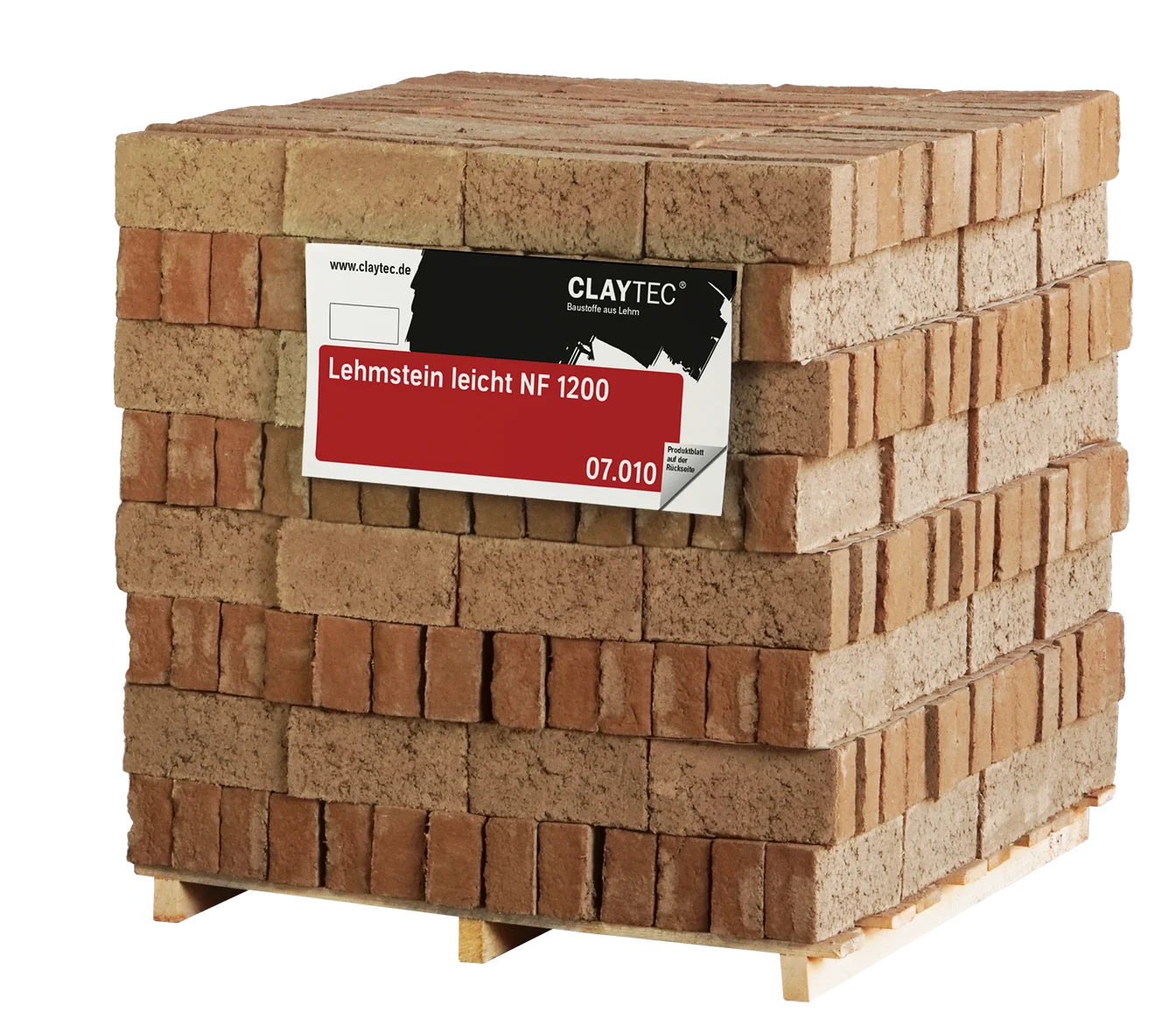
Clay block light NF 1200
Light mould-pressed clay block in normal format NF (240 × 115 × 71 mm), application cl…
from2,83 €
5 products in Clay blocks
Light mould-pressed clay block in normal format NF (240 × 115 × 71 mm), application cl…
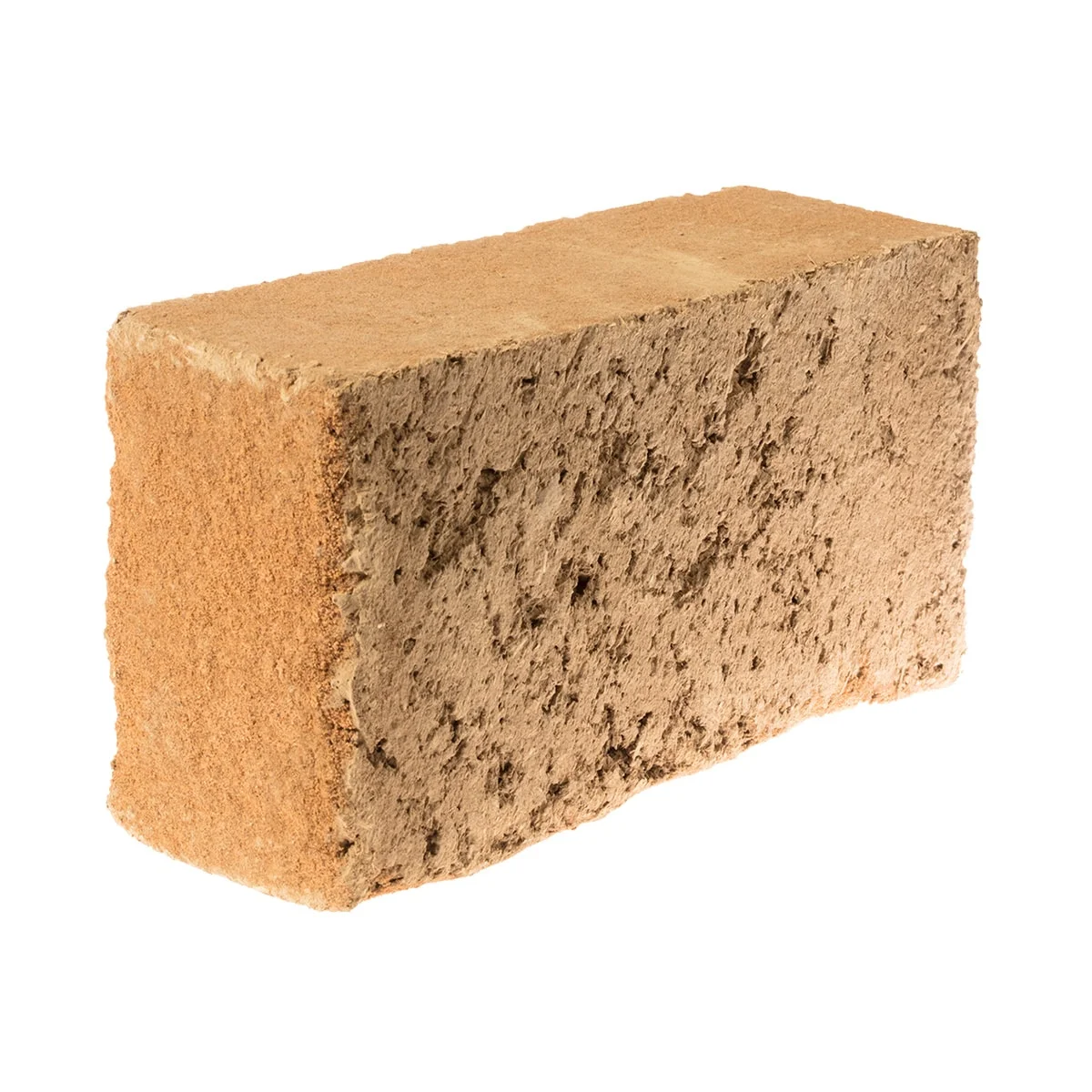
Light mould-pressed clay block in special format S* (approx. NF, avg. 252 × 119 × 70 mm)…
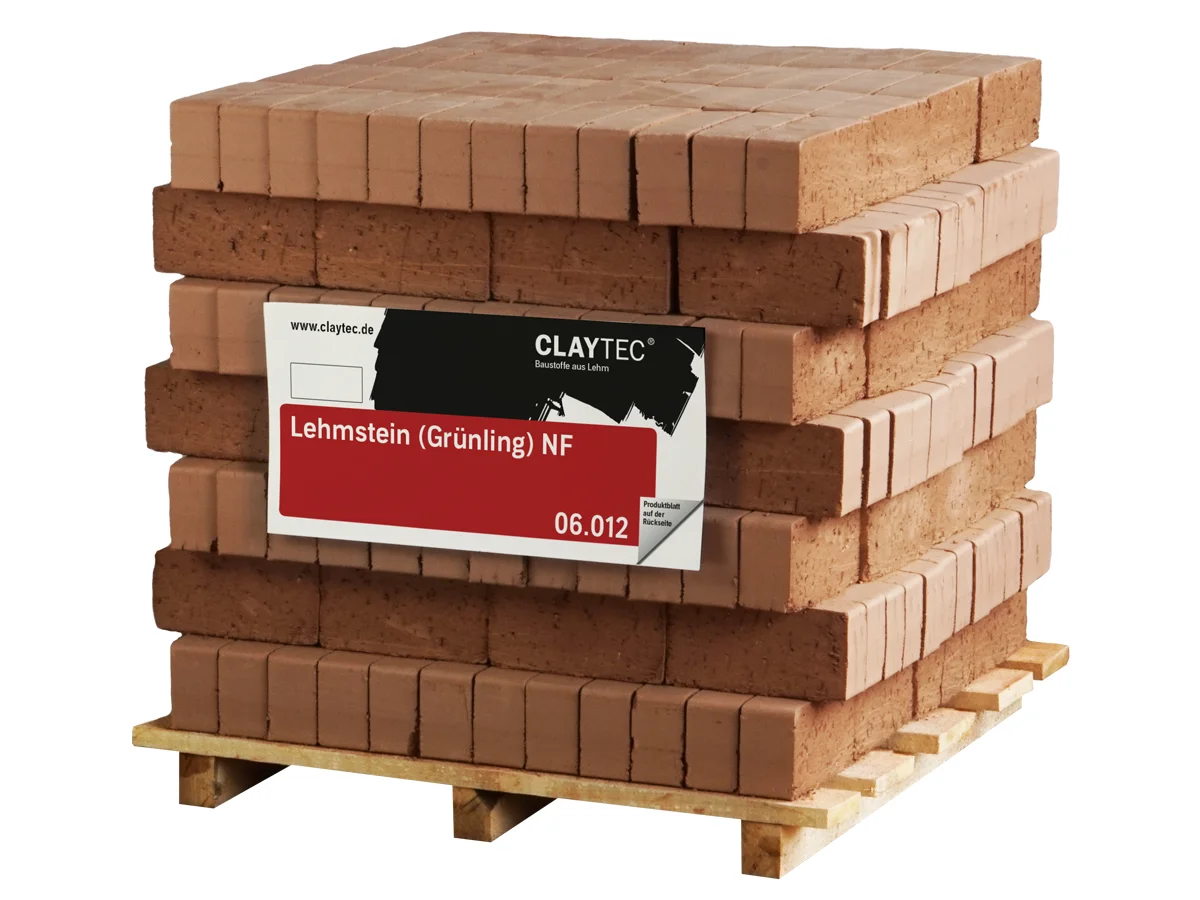
Inexpensive clay green brick in special format corresponding to NF for interior walls, stack…
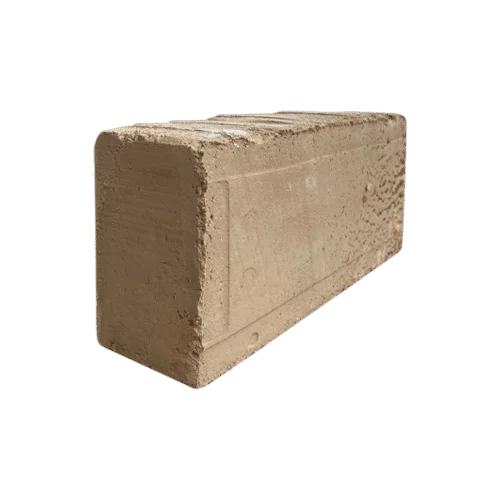
Load-bearing heavy clay block 1850 in special format S* (approx. NF), mould-pressed unperforat…
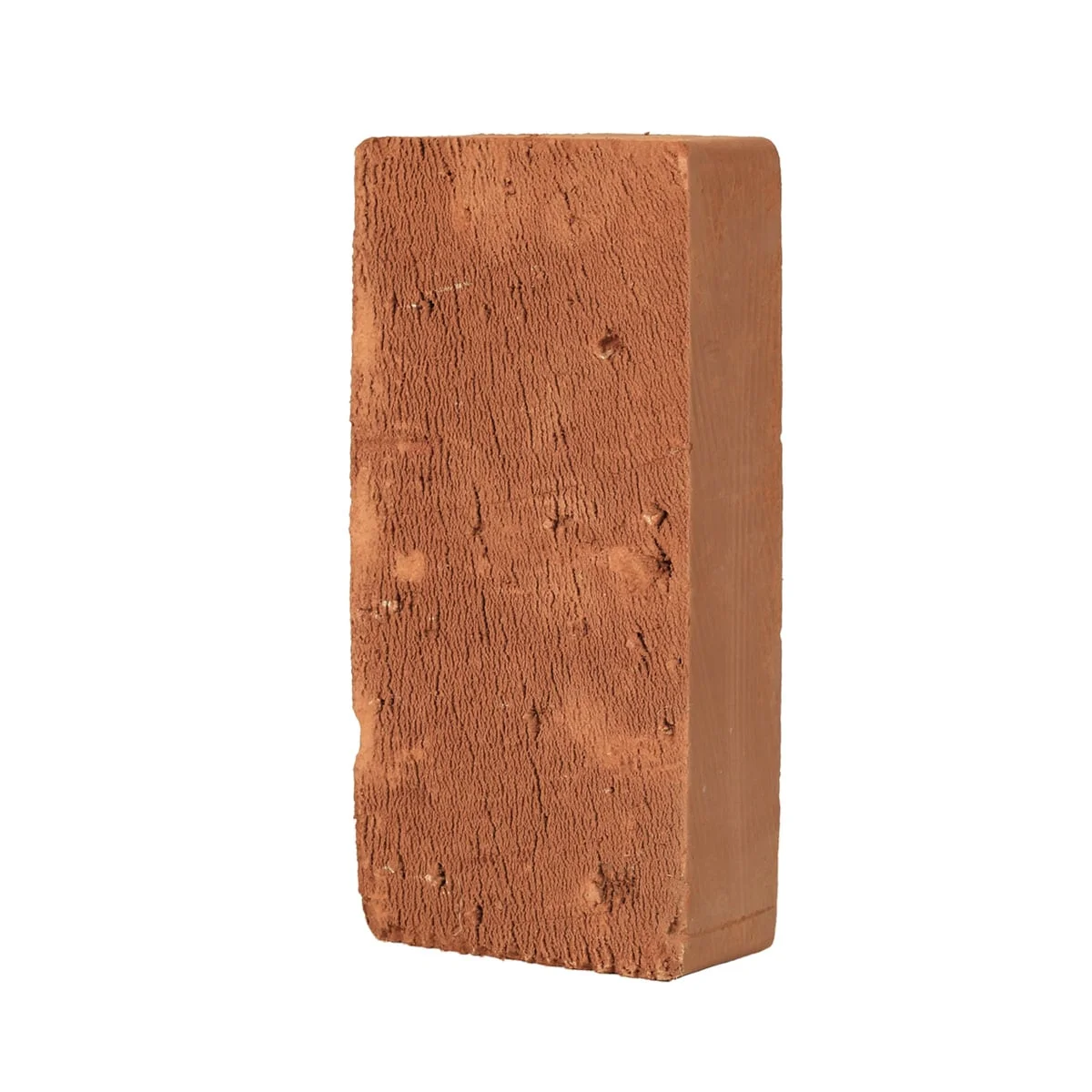
Inexpensive clay green brick in special format corresponding to DF for interior walls, stack…
DIN 18945 specifies requirements, testing and marking for clay blocks in load-bearing and non-load-bearing masonry. On every product page, the standard designation of the block is given under technical data. It states whether the block is load-bearing, how it is made, the application class, the bulk density class and the format.
The application class determines where a block can be used. The light clay block 1200 has application class Ia, is approved for timber frame infill and, according to ClayTec, is intended for timber frame external walls with a subsequent lime exterior plaster. Green blocks and the heavy clay block 1850 have application class II; such blocks are not permitted for masonry exposed to the weather, even with exterior plaster.
The light clay block 1200 consists of building clay, wood chips and chopped straw, is mould-made and non-load-bearing. The NF variant is sharp-edged, dimensionally accurate and flat. The S* variant (quality Q2) may deviate more in flatness and parallelism due to production.
Green bricks are extruded solid blocks made of building clay or loam. You mostly use the flat DF block for ceiling fills and stacked linings, the NF block also for masonry.
The heavy clay block 1850 is intended for load-bearing interior masonry and for load-bearing, clad or structurally weather-protected exterior masonry. Design, dimensioning and execution of load-bearing clay block masonry are governed by DIN 18940.
In the timber frame panel, triangular battens connect the masonry with the beams; you get them under structural timber.
The bonding rules of masonry construction apply. For the load-bearing heavy block 1850, fill bed and head joints fully with mortar with a joint thickness of 6–15 mm. The overlap according to DIN EN 1996-1-1 is at least 0,4 times the block height and at least 45 mm; corners and wall connections are bonded.
Tips
Let clay block masonry dry out completely before plastering. Pre-wet interior walls and plaster them with ClayTec clay plaster mortars; pre-wet green blocks and the heavy block only sparingly with a spray mist. Stacked formwork of green blocks is clad in drywall.
On the outside, timber frame infills of light clay block get a lime plaster of coarse lime base plaster with hair; preparation and layer build-up are shown in the category lime plaster. Wipe fair-faced masonry of the heavy block with a soft, damp sponge to remove loose grains.
Green bricks and the heavy clay block 1850 have building material class A1, the light clay block 1200 has B2. If fire protection requirements apply to your wall, choose the block accordingly.
You lay the light clay block 1200 with clay masonry mortar light; green bricks and the heavy clay block 1850 with the heavy version of the clay masonry mortar.