
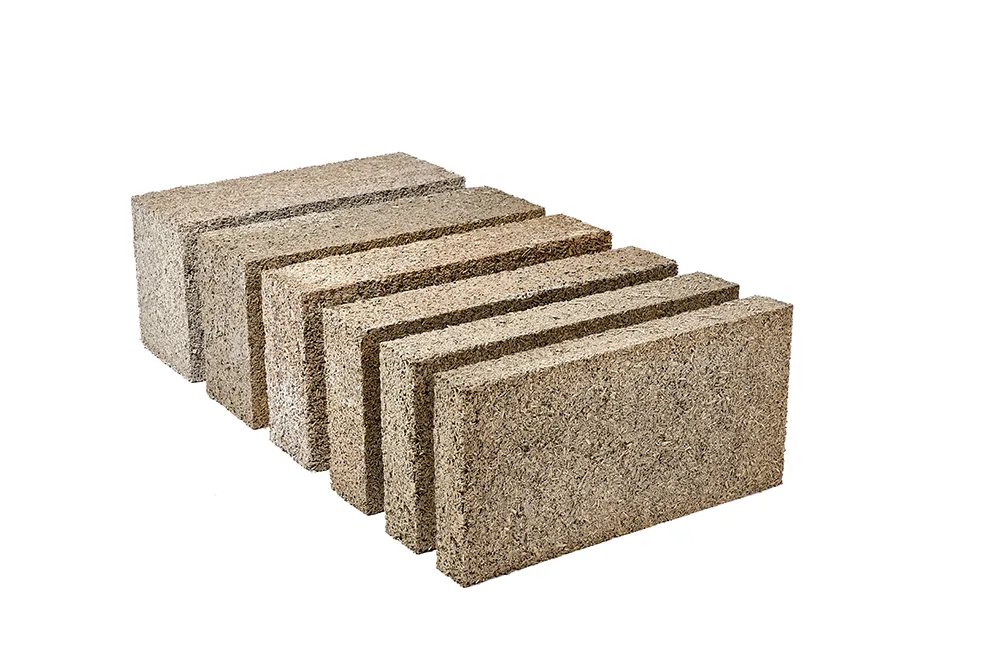
IsoHemp hemp block 7,5 cm
The IsoHemp hemp block 7,5 cm is the slimmest block in the Origin range. I recommend it…
from10,73 €
11 products in Hemp blocks
The IsoHemp hemp block 7,5 cm is the slimmest block in the Origin range. I recommend it…
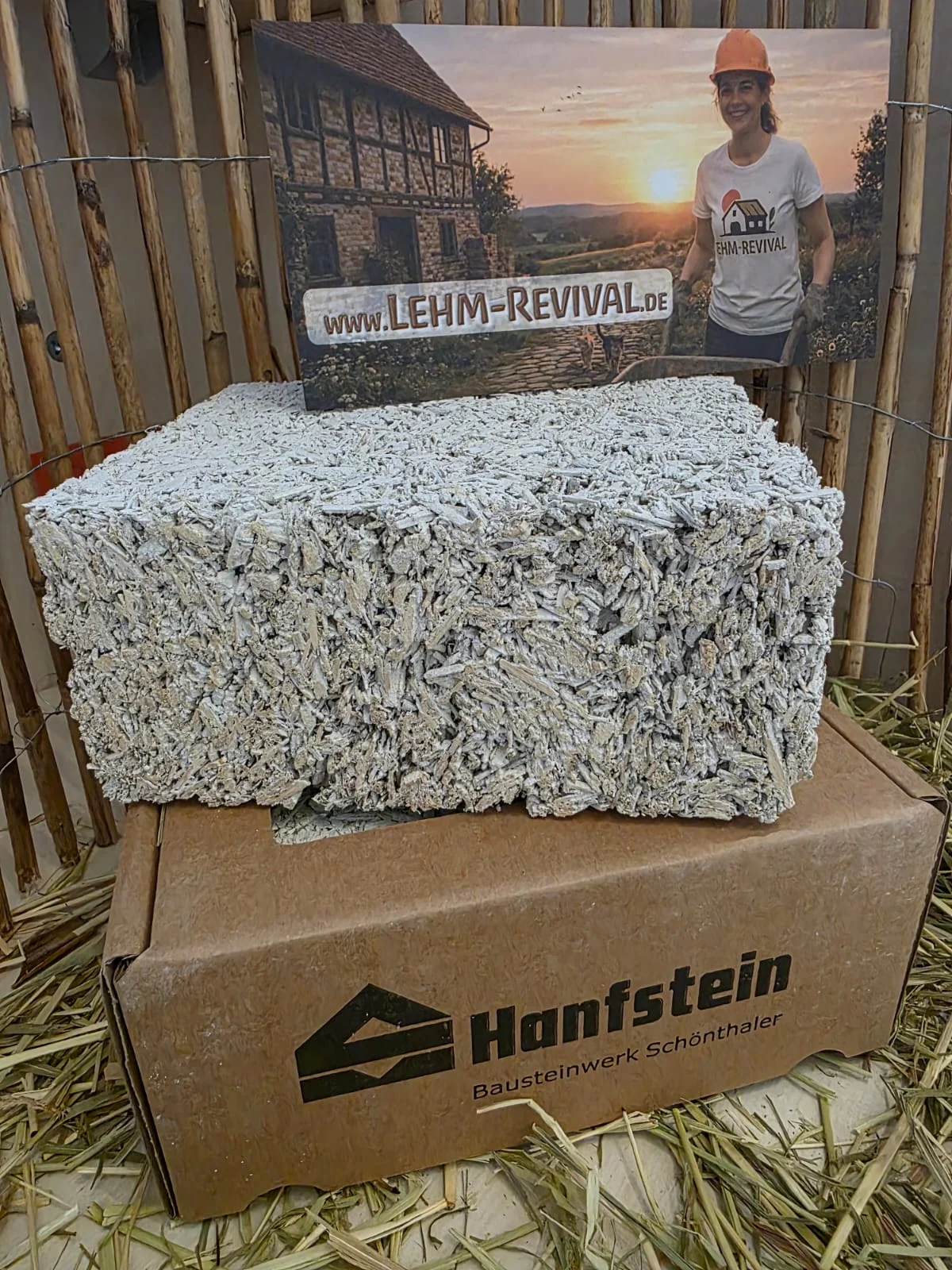
CO₂-negative hemp block, the sustainable masonry block for interior insulation, timber stud construction an…
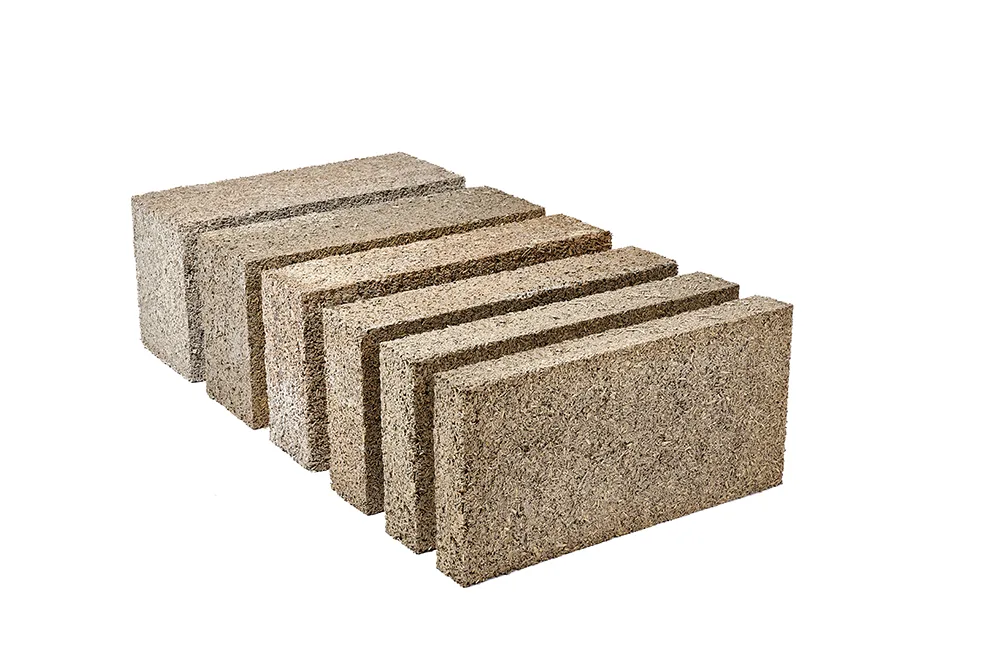
The IsoHemp hemp block 12 cm is my all-rounder for interior walls: partition walls in residential construction,…
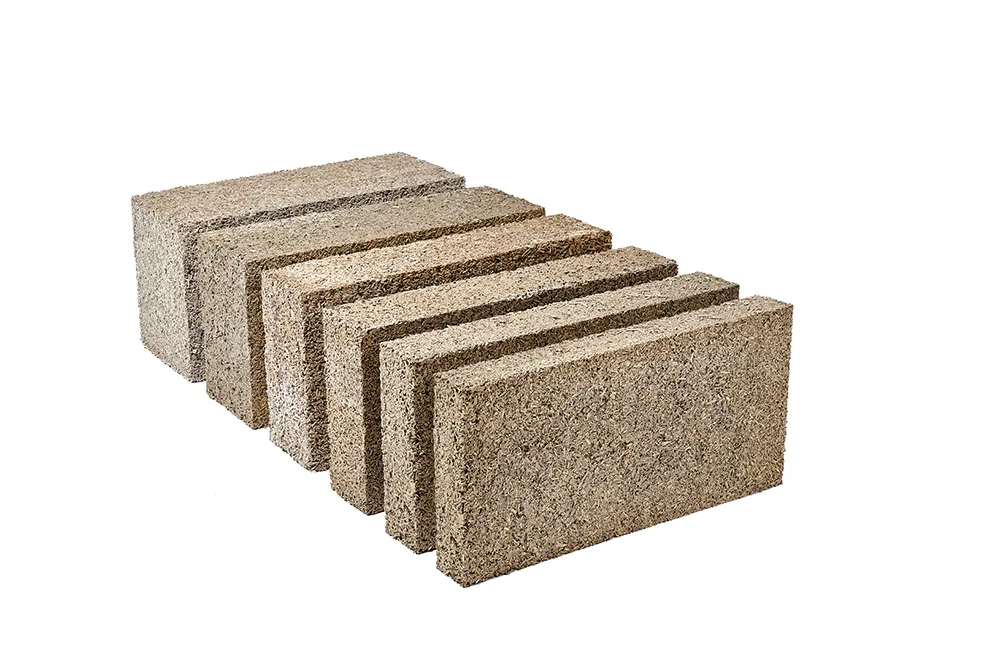
With the IsoHemp hemp block 15 cm you fill timber framing and timber studs where the panel cross-sec…
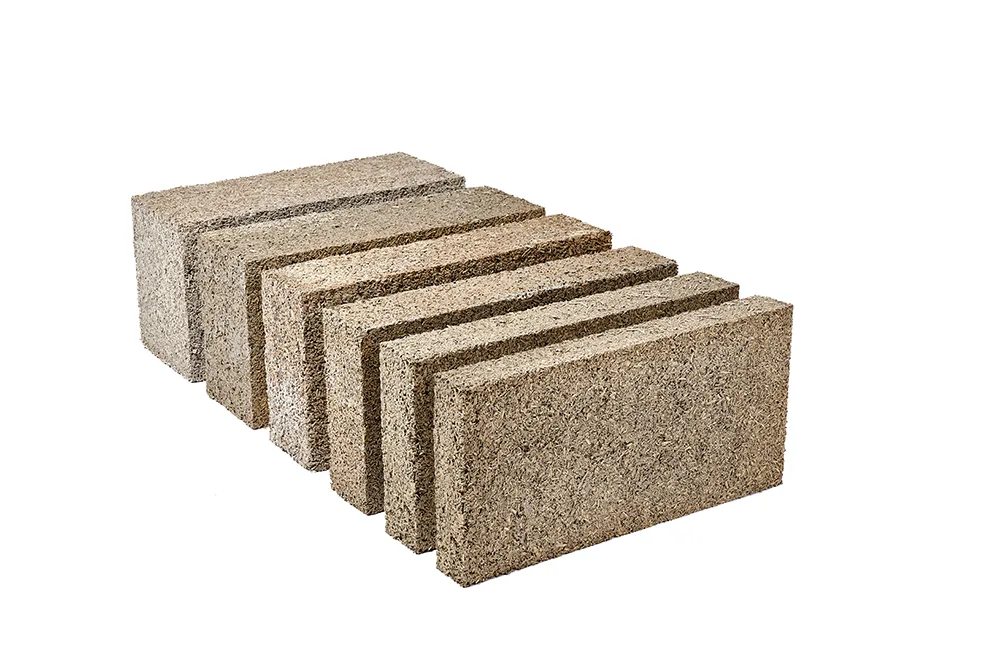
The IsoHemp hemp block 20 cm is intended for the building envelope: as exterior insulation in front of the…
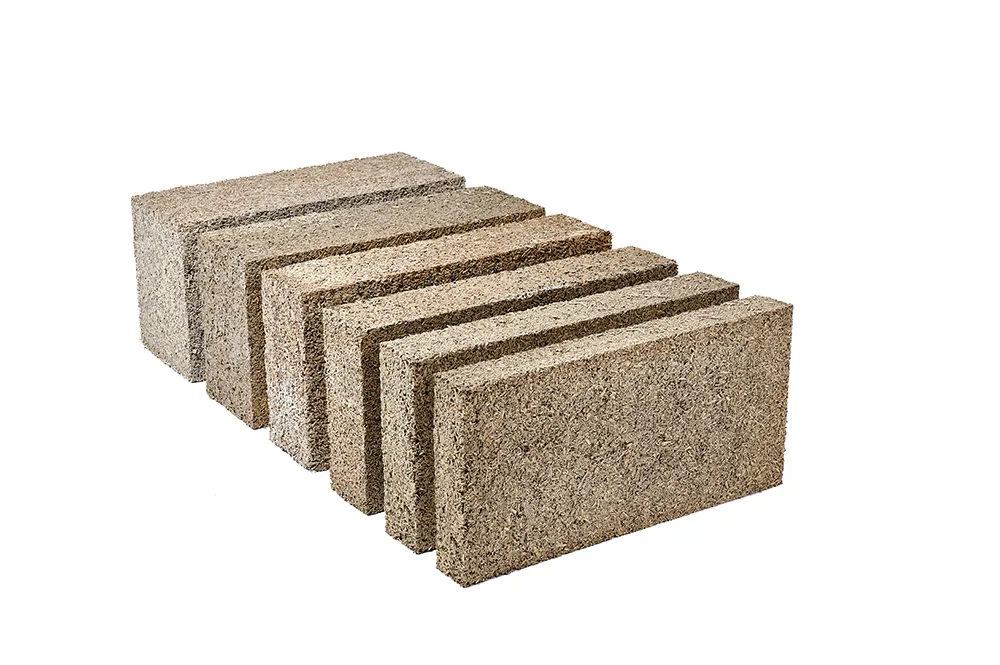
The IsoHemp hemp block 25 cm is the thickest block in the Origin range. You use it…
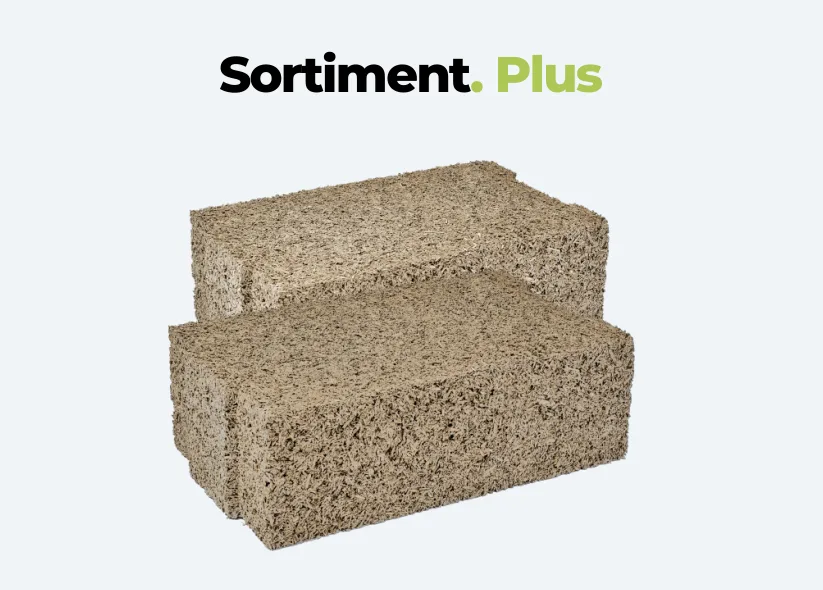
The IsoHemp hemp block 36 cm from the Plus range has tongue and groove and is for solid ex…
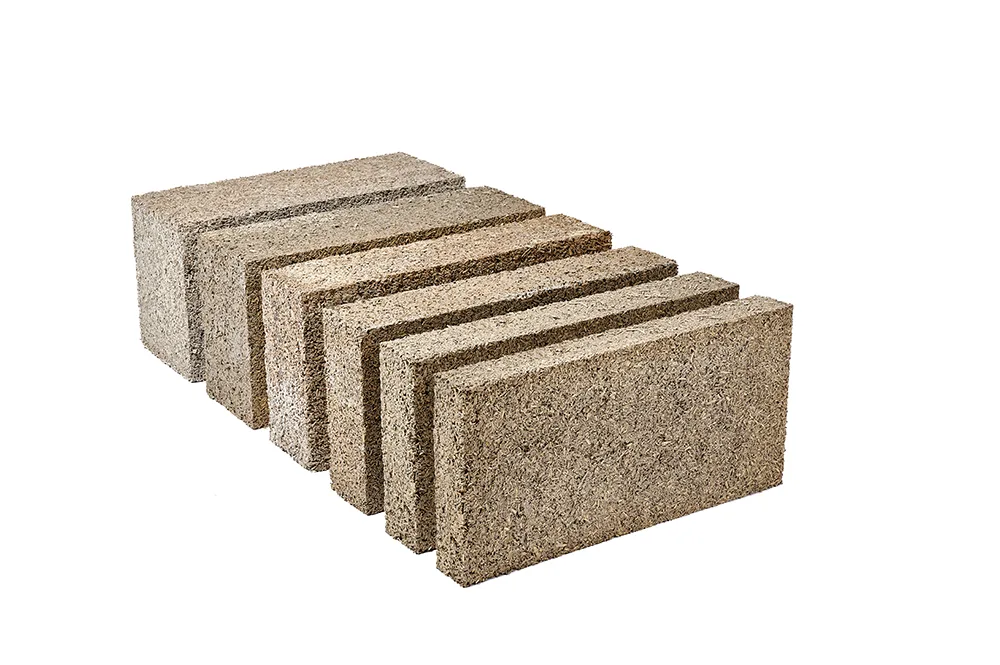
With the IsoHemp hemp block 9 cm you build the classic lining for the renovation…
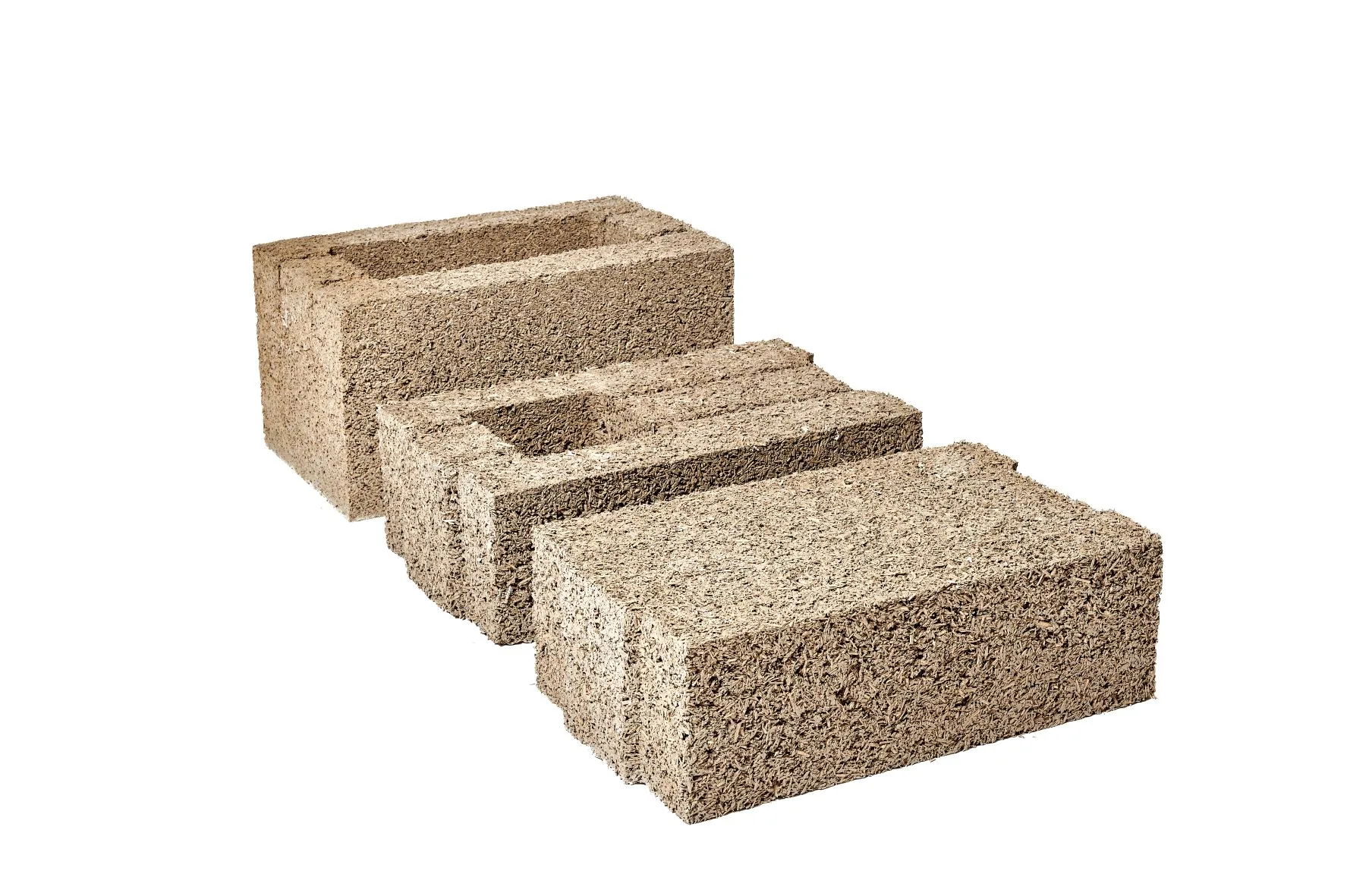
The IsoHemp P-block 36 cm is a hemp block with a pre-drilled vertical recess of…
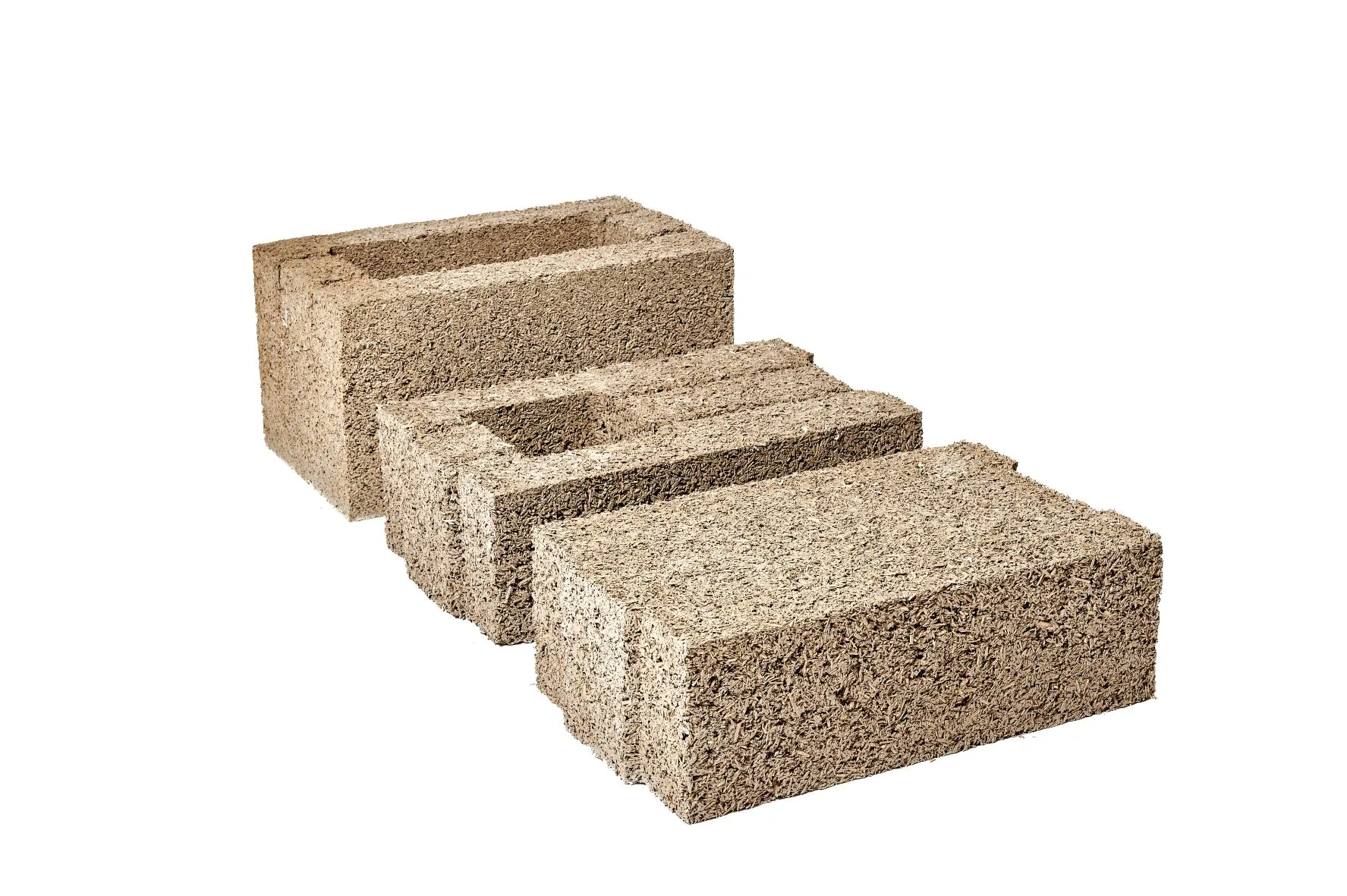
The IsoHemp U-block is the formwork block for ring beams and lintels in the Syst'HEM… system
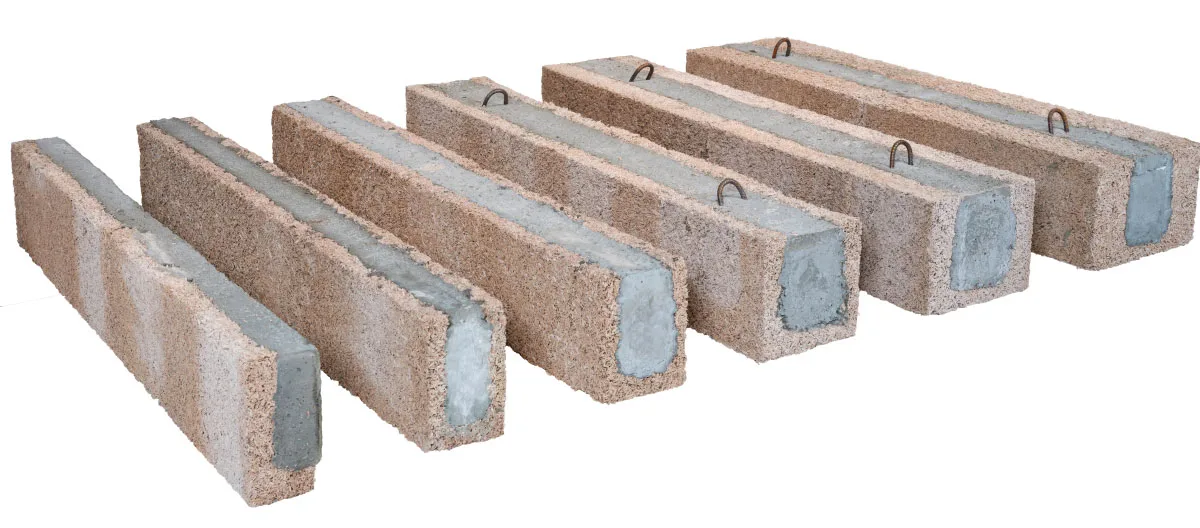
The IsoHemp lintel spans window and door openings in walls made of hemp blocks. Outsi…
Under the first row you lay a damp-proof course strip as a moisture barrier, wider than the block on the inside and outside. The base for it must be clean and level. With each new row, the upper block overlaps the lower one by at least a third.
Protect the blocks from rain during transport and on site. At the end of each working day, cover the top row of blocks and opened pallets. As long as floor and roof are missing, drain water from above in a controlled way so that the wall does not get soaked.
Tips
You cut hemp blocks with a handsaw, circular saw, band saw, reciprocating saw or aerated concrete saw; the manufacturer recommends a carbide or iron blade. For sockets you drill afterwards with a hole saw, and you cut chases for electrical cables with a standard chasing tool.
You close holes and milled channels that are too large with a mixture of 50 % masonry mortar and 50 % hemp block offcuts, measured by volume. You then fix sockets and similar fittings with mounting mortar.
Tips
You fix the toilet, washbasin, kitchen wall cabinets and other heavy objects to the timber or concrete skeleton. You mount normal-sized windows with a timber frame that you fix to the wall with 8/80 screws. Larger windows sit on the skeleton to the left and right of the opening.
You set doors in partition walls with a squared timber or a load-bearing door frame. You make lintels out of timber; there are U-blocks for window and door reveals.
In front of an existing wall, fix the hemp blocks mechanically with insulation anchors. Which anchor holds depends on the material of the existing wall and must be tested on every site. The existing wall must be structurally stable and carry the weight of the insulation. Fill cavities between the existing wall and the hemp block with pure lime mortar or a hemp-lime mix.
Plaster hemp block walls on both sides with cement-free, vapour-permeable plaster. Inside, ClayTec clay plaster is suitable: first clay base plaster with straw, then clay top plaster fine as the surface. For painting inside, the manufacturer names lime putty paints and clay paints. At transitions from wall to ceiling and at the connections of the last row, work with mesh angles.
No. Hemp blocks form non-load-bearing infill masonry in a timber or concrete skeleton that takes over the structural load. The application is governed by the German building approval Z-17.25-1299; your architect or planner calculates statics and fixing to the skeleton.
According to Schönthaler, no: because of the high vapour permeability and the high pH value of the lime, no vapour barrier is used for interior insulation with hemp block. You should still have the dew point of your wall build-up calculated; the material data of the hemp blocks is stored in the Fraunhofer Institute's WUFI program.