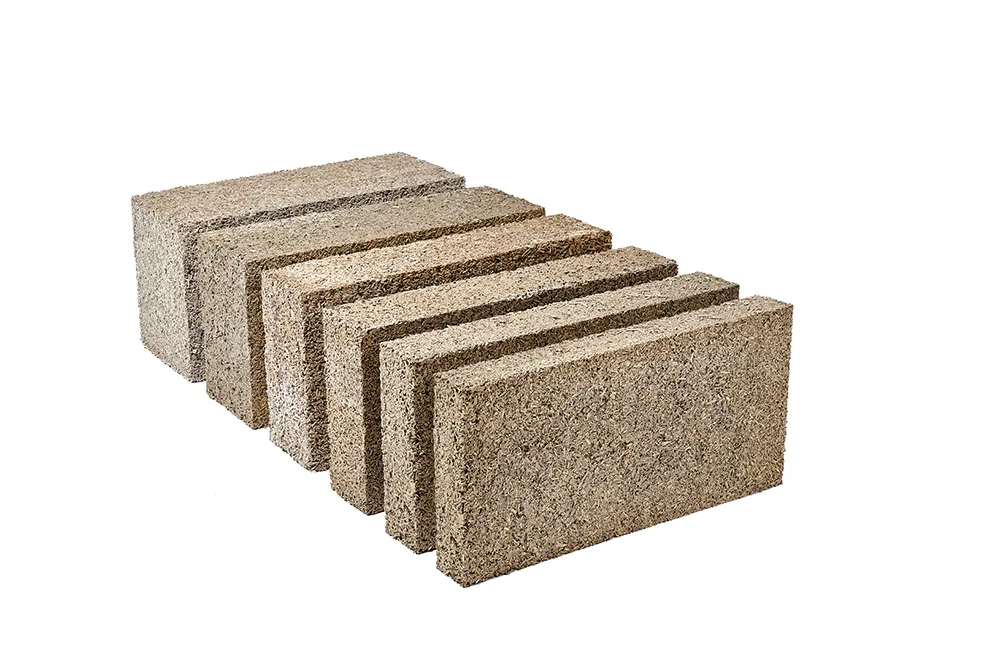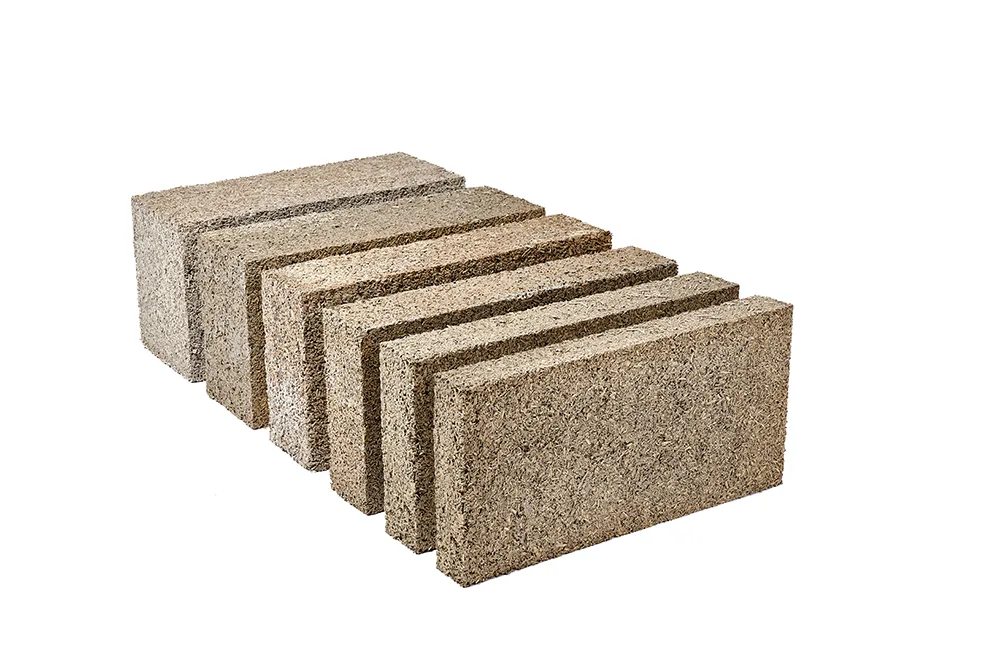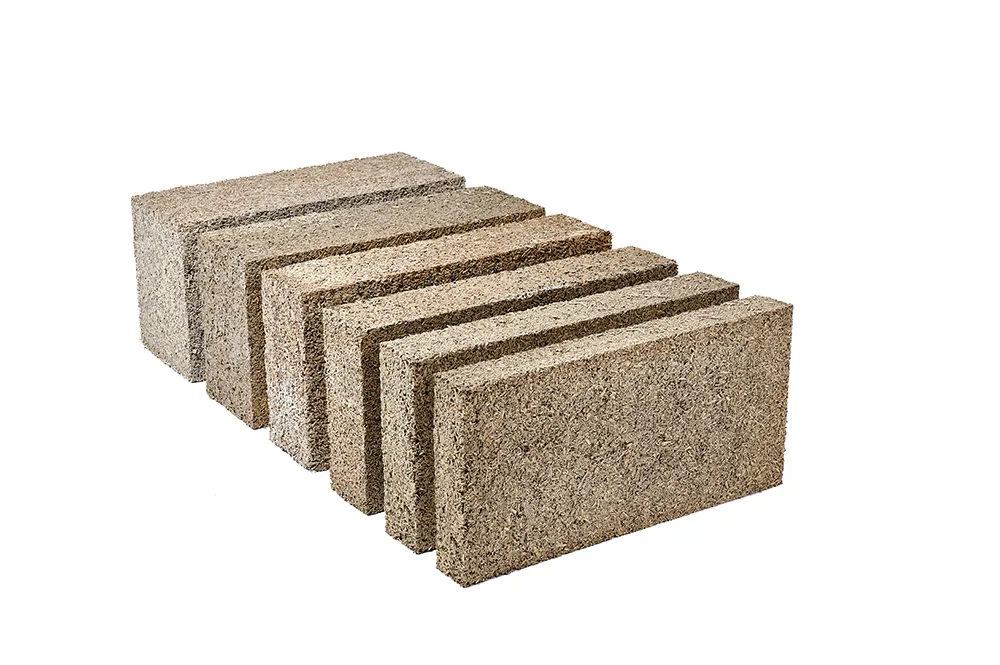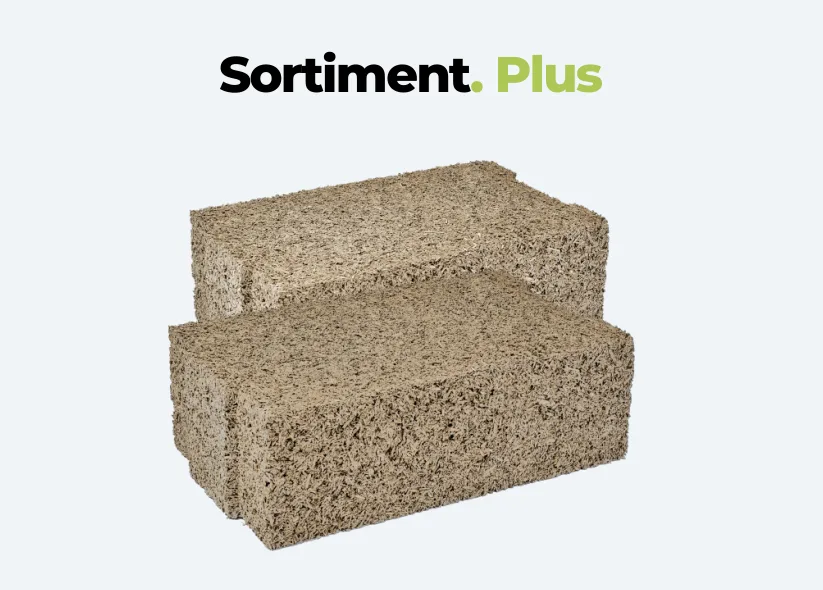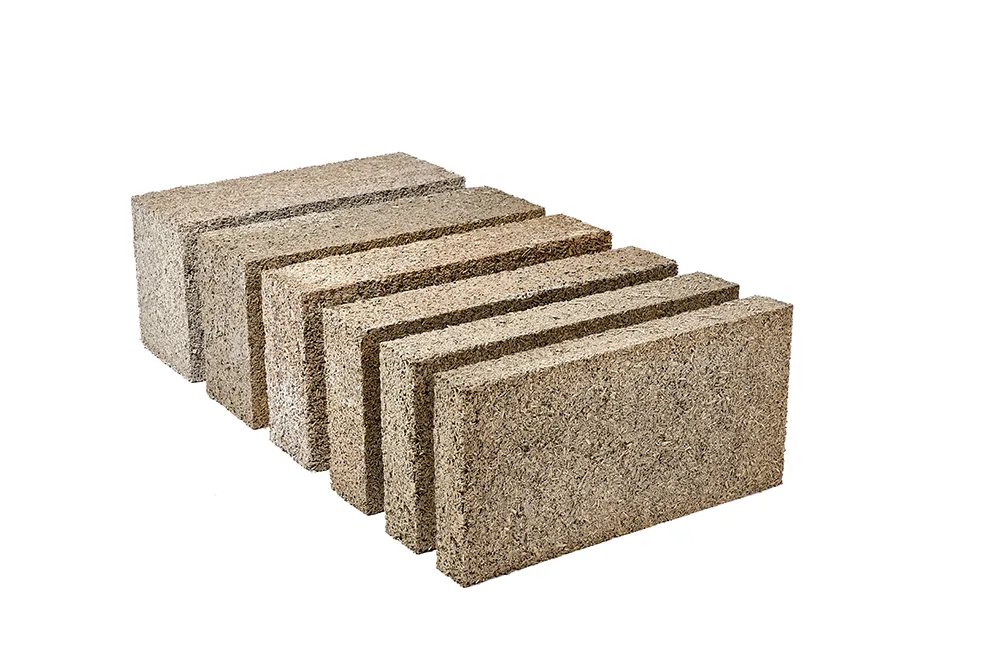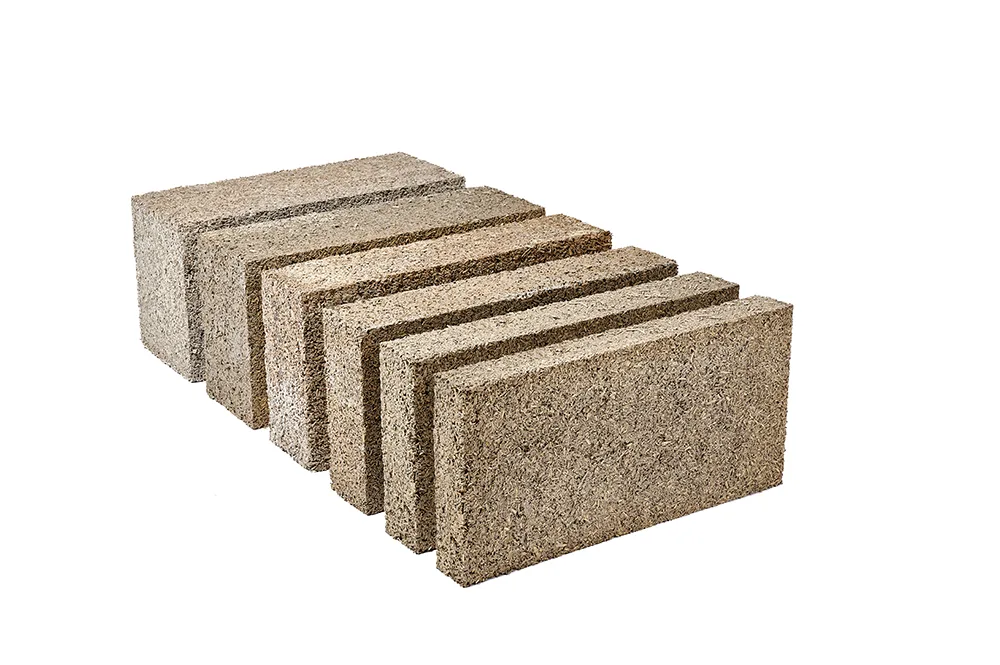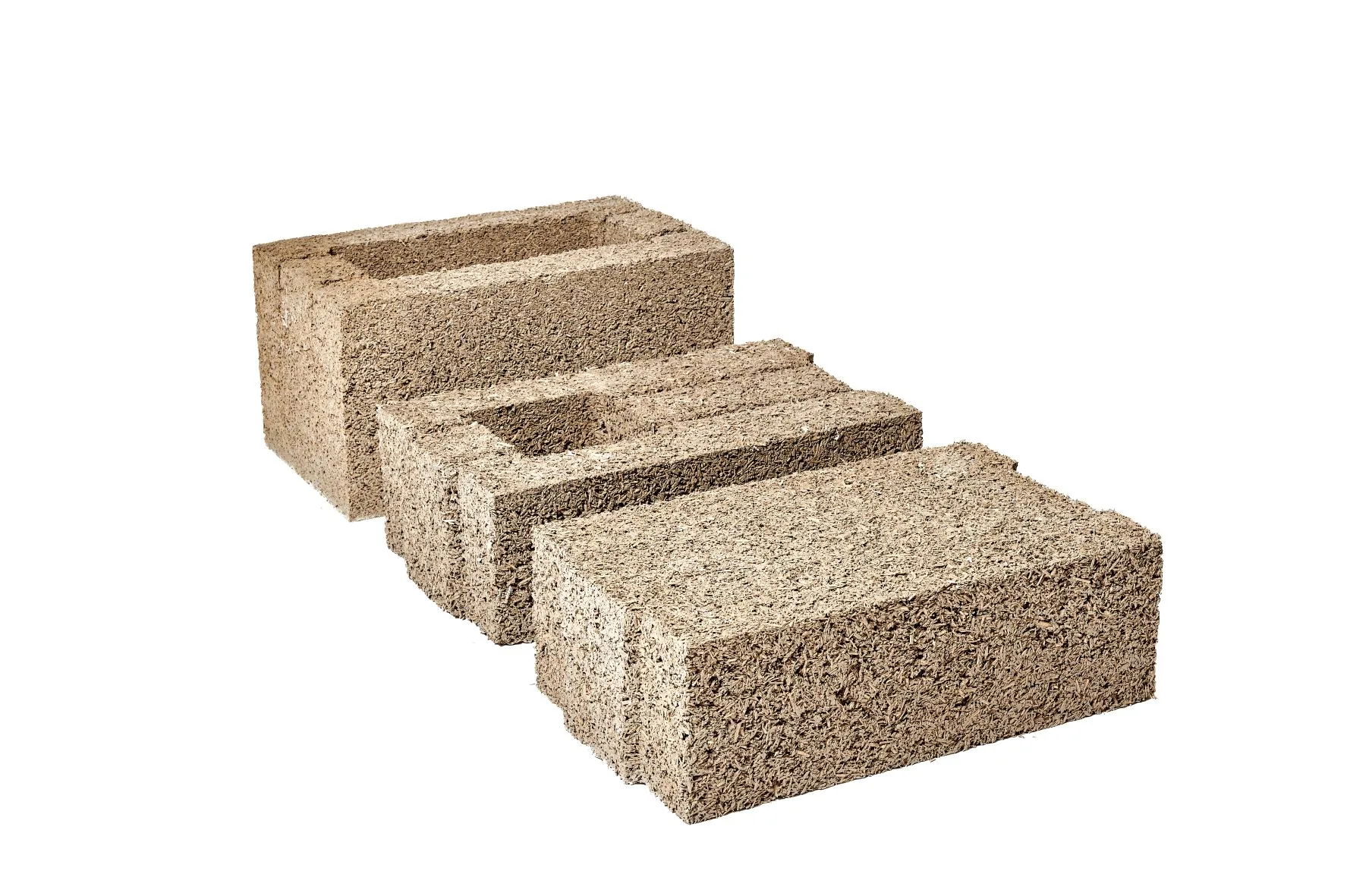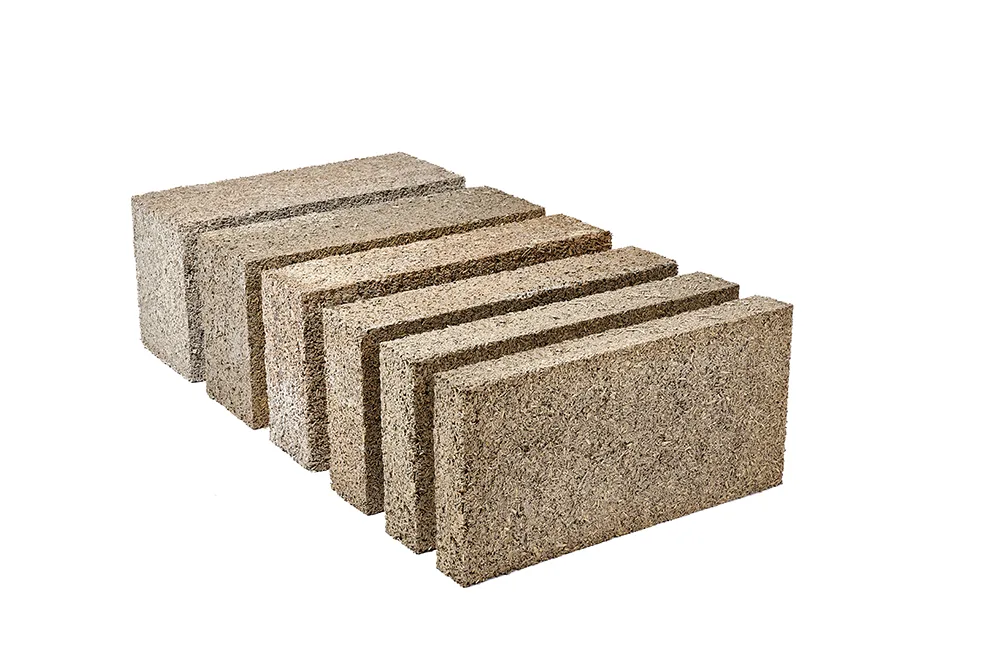
IsoHemp hemp block 12 cm
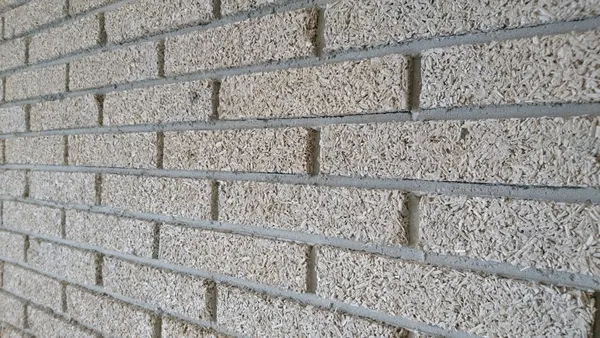
The IsoHemp hemp block 12 cm is my all-rounder for interior walls: partition walls in residential construction,…
from12,70 €
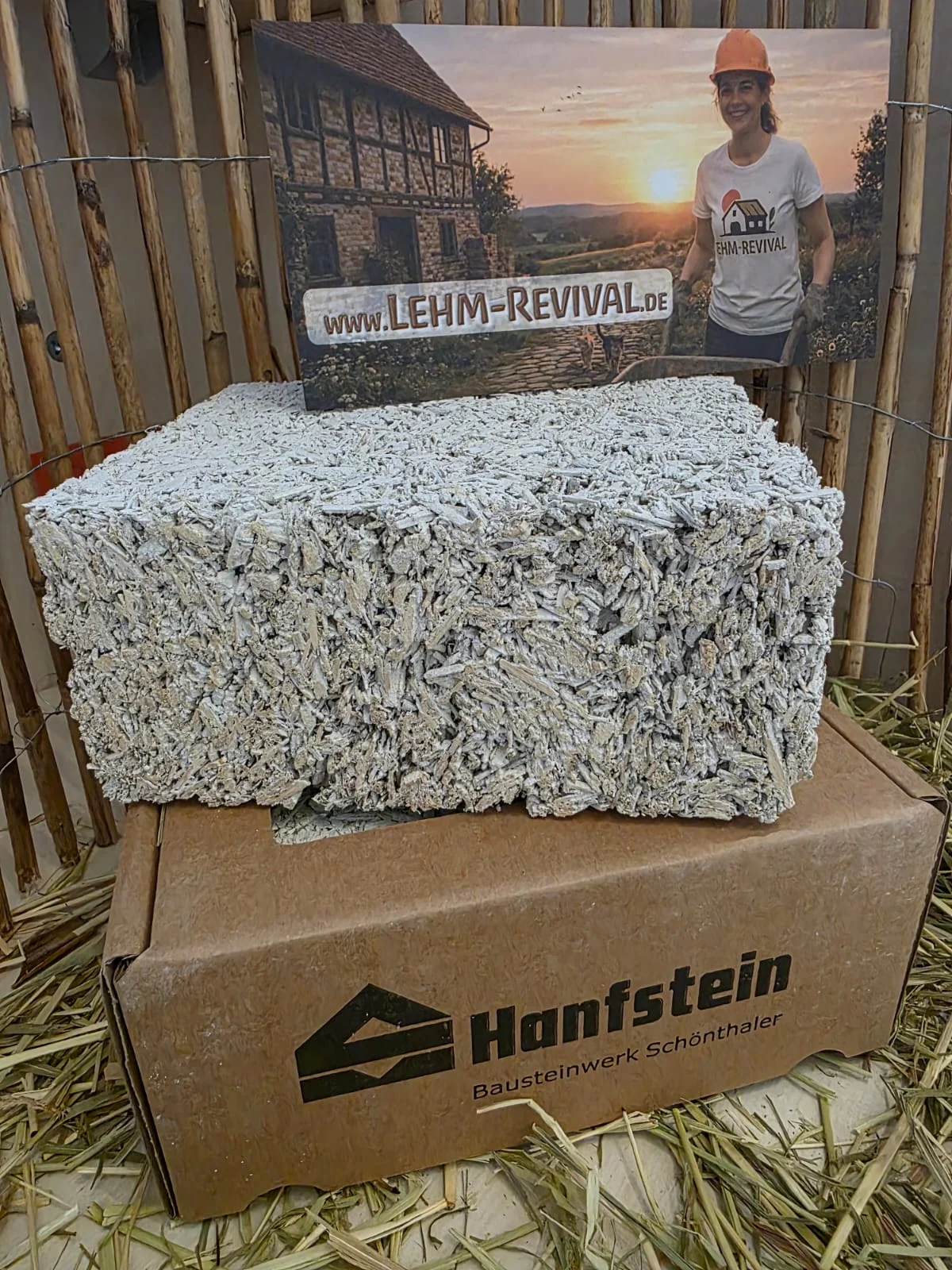
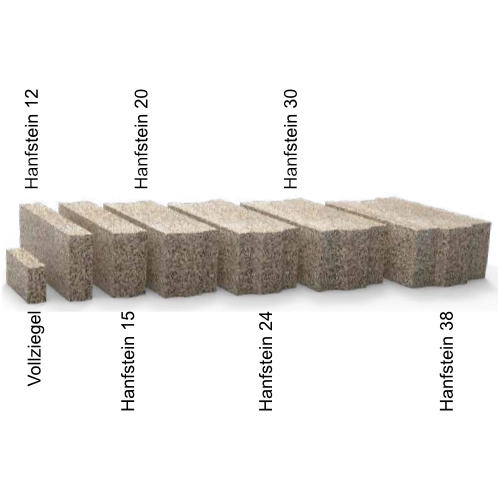
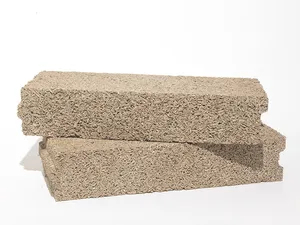
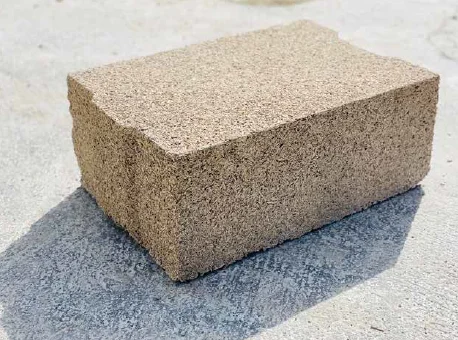
SKU: LR-HS-200190
Gross price incl. 19 % VAT
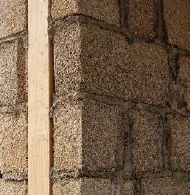
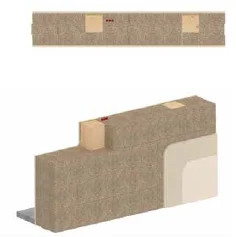
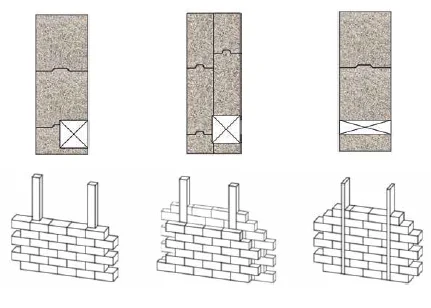
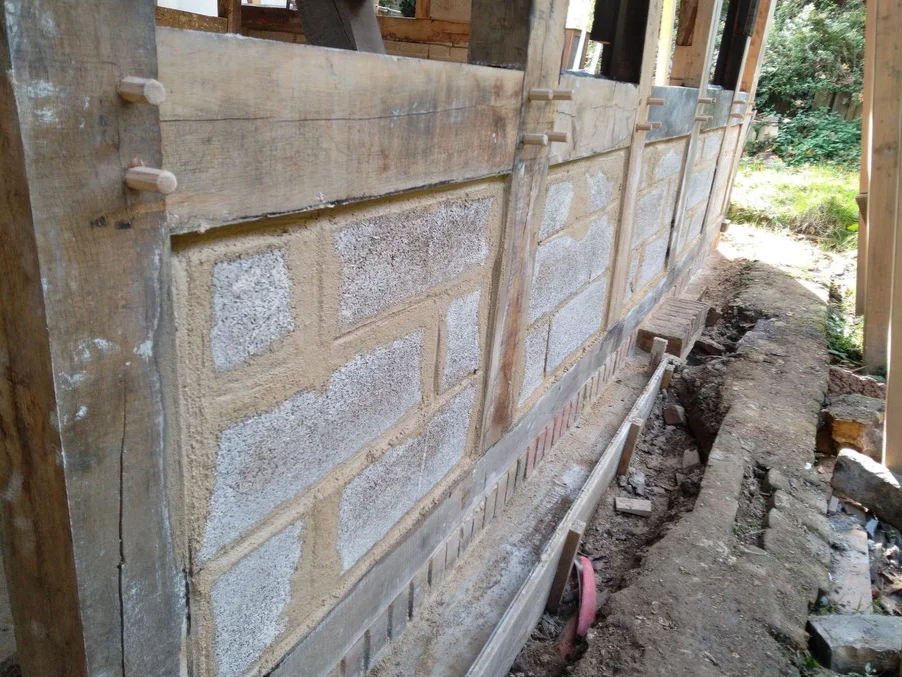
CO₂-negative hemp block, the sustainable masonry block for interior insulation, timber stud construction and timber frame renovation
With a basket value below 15,00 €, a small quantity surcharge of 7,00 € applies.
1 Schönthaler hemp block in the ordered size (per piece).
Hemp blocks are laid in bond with cement-free lime masonry mortar (class M5): apply mortar horizontally over the full surface approx. 1 cm thick, vertically only for larger joints. Offset each row by at least 1/3, at most 1,80 m of wall height per day. Then plaster inside with cement-free, vapour-permeable plaster, for example ClayTec clay base plaster with straw as the first layer, then ClayTec clay top plaster fine as the finish; outside with a lime plaster system. Moisten the wall before plastering; above 30 °C also moisten the blocks lightly.
Store dry and protected from the weather. Protect hemp blocks from rain and wet, also on site. Cover the top course at the end of each working day.
Rw ≈ 47 dB
Hemp shives (chopped stem chips of the hemp plant) and natural lime
Values for the selected variant: Solid brick (6×22×11 cm)
| Compressive strength | 0,60 |
| Specific heat capacity | 1.870 J/(kg·K) |
| Thermal conductivity λ | 0,07 |
| Water vapour diffusion resistance μ | 3,8 |
| U-value (depending on thickness) | 0,17–0,37 W/(m²·K) |
| Area of application | New build exterior walls, interior insulation, renovation of exterior walls, partition walls, thermal subfloor insulation |
| Max. working temperature | 35 °C |
| Min. working temperature | 5 °C |
| Building approval (AbP) | Z-17.25-1299 |
| CO₂ balance | CO₂-negative (over the entire life cycle) |
| Bulk density | 310–360 kg/m³ |
To go with it: my free clay building diary with drying log.
Download free of chargeFurther expert knowledge
Hemp block and clay block in timber frame construction compared are explained in the article Filling a panel: clay block or hemp block in timber framing.
Building physics properties of CO₂-negative building materials are explained in the article Building physics for natural building materials: vapour diffusion, heat storage and dew point.
Clay, lime and cement compared with natural alternatives are explained in the article Clay, lime or cement: which binder is right for old buildings and timber framing?.