
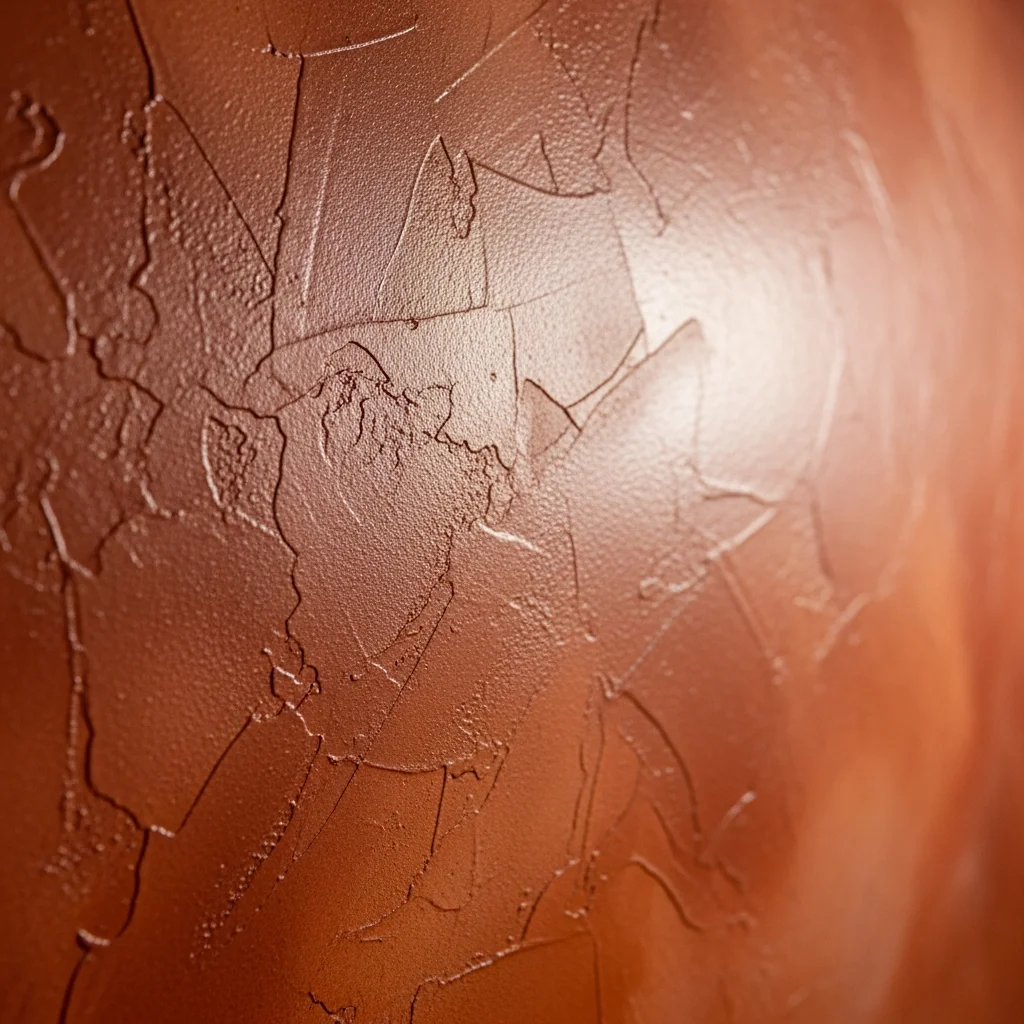
Buy fine clay plaster and YOSIMA design plaster: application, choice of colour and prices

Anyone who wants not only to protect a wall but to design it will sooner or later come to clay finishing plaster. These fine clay top plasters combine craftsmanship depth with an indoor climate that no synthetic coating can achieve. The best-known example is YOSIMA from ClayTec, a clay design plaster with a wide colour palette and a velvety surface that shows a distinctive texture after rubbing down. This article explains what distinguishes clay finishing plasters from ordinary clay plasters, how YOSIMA is applied, what a square metre costs and which rooms this class of material is particularly suited to.
Fine clay plasters at a glance
Typical characteristic data for fine clay plasters and clay design plasters, as of 2026
| Property | Fine clay plaster in general | YOSIMA design plaster |
|---|---|---|
| Grain sizes | 0,5 to 1,5 mm | up to 1 mm |
| Layer thickness | 3 to 8 mm | max. 2 mm |
| Surface | Smoothed or floated | Rubbed, velvety textured |
| Colour palette | Limited natural shade | 146 natural shades |
| Moisture regulation | Very good | Very good |
| Workable from | Experienced DIYers | Also beginners with instructions |
| Typical material costs | 10 to 18 €/m² | 12,50 to 16,70 €/m² |
What is fine clay plaster and how does it differ from normal clay plaster
Clay plasters are divided according to their grain and surface quality. Coarse clay plasters serve as base plaster or for rustic surfaces in utility rooms. Clay finishing plasters, on the other hand, are more finely ground and designed specifically for smooth surfaces that can be shaped. The grain is typically between 0,2 and 1,5 mm, depending on the product and the desired texture.
A decisive feature is workability. While coarse clay mixes are applied in layers and smoothed with a straightedge, a clay finishing plaster is applied in a thin layer and then rubbed down or smoothed. The result is a finely textured surface that can look very different depending on the rubbing tool and technique.
In terms of building physics, clay finishing plasters behave like all clay plasters: they absorb indoor moisture and release it again, which noticeably improves the indoor climate. This ability is retained in finishing plasters because the capillary-active structure of the clay remains unchanged.
YOSIMA clay design plaster, properties and colour system
YOSIMA from ClayTec is the best-known clay design plaster on the German-speaking market. The material contains finely ground clay, natural pigments, plant fibres and mineral aggregates. The recipe is balanced so that the surface shows an even, velvety texture after rubbing down.
The YOSIMA colour system is based on natural earth pigments. The palette comprises 146 shades, from warm ochre yellow and terracotta to calm greys and shades of white. All colours are lightfast, as they come from mineral sources and do not fade. If you want an individual mix, you can combine two shades in defined proportions.
Applicators particularly value the consistency of the material. YOSIMA is packed ready for use and only needs to be mixed with the specified amount of water. Slight colour differences between individual buckets are possible, so for continuous surfaces you mix material from several buckets together.
For which rooms is clay design plaster particularly suitable
Clay finishing plasters can be used in all interior rooms. Their strengths are most evident in living rooms and bedrooms, where the indoor climate is directly noticeable and appearance plays a central role. Especially in bedrooms, where people spend six to eight hours, the moisture-regulating effect of clay is particularly valuable.
Clay finishing plasters can also be used in bathrooms with adequate ventilation, but the direct splash water area should be avoided. Clay is not waterproof and dissolves when permanently wet. For the area behind the washbasin or on the wall away from the shower, however, a high-quality clay finishing plaster with a subsequent linseed oil or casein impregnation layer is well suited.
In kitchens, clay plasters are suitable for all wall surfaces outside the immediate cooking area. Especially in open-plan kitchens where the living space adjoins directly, a uniform clay finishing plaster across all walls is a strong design solution.
Substrate preparation for fine clay plaster
The substrate determines the durability and appearance of the clay finishing plaster. Old clay walls, clay plaster surfaces, wood-based panels with a bonding coat and new clay base plaster layers are well suited. Clay finishing plaster can be applied to plasterboard if the substrate has been prepared with the primer DIE GELBE.
Mineral substrates such as lime plaster or lime-cement plaster need a bonding bridge, as clay adheres poorly to smooth mineral surfaces. A thin layer of clay base plaster or a special clay bonding coat creates the necessary bond. On pure cement substrates, the work should be left to an experienced craftsman.
The absorbency of the substrate is also important. Highly absorbent surfaces must be moistened or pre-treated so that the moisture of the fresh plaster is not drawn off too quickly. Drying too quickly leads to cracks and poor adhesion.
Application: applying YOSIMA step by step
YOSIMA is applied with a steel trowel or a wide smoothing trowel in a layer of at most two millimetres. The surface should be of even thickness, as different layer thicknesses can lead to visible variations in colour and texture. After application, let the surface set briefly.
When the surface starts to become more matt but is not yet completely dry, it is rubbed down. A damp, coarse sponge float is suitable for this. Rubbing down creates the characteristic velvety texture that visually distinguishes clay finishing plasters from ordinary clay plasters.
Large surfaces should be worked wet in wet wherever possible to avoid laps. For wall areas over ten square metres, working in a team of two is recommended, so that one person applies and the other rubs down at the same time. YOSIMA small containers are particularly suitable for smaller accent walls or test series before large-area application.
Calculate material requirements with the quantity calculator →
Costs and material consumption for fine clay plaster
The material consumption of YOSIMA is around 3,3 kg per square metre, depending on substrate and layer thickness. At the intended layer thickness of two millimetres, a 20 kg bucket covers about six square metres of wall.
The material price for YOSIMA is in the range of 12,50 to 16,70 euros per square metre, depending on shade and source. With professional application, labour costs of about 20 to 40 euros per square metre are added, giving total costs of 35 to 60 euros per square metre. For DIYers who apply the material themselves, the price is considerably lower.
If you want to try a small area first, you can also get YOSIMA as a 2 kg bag for about 0,6 square metres. This reduces the risk when choosing a colour and allows you to practise the application technique on a non-critical wall area before tackling the main surface.
Planning colour choice and sample areas
Choosing colours for clay finishing plasters is demanding, because the material looks considerably darker when wet than when dry. It is therefore strongly recommended to make at least one sample area of 30 by 30 centimetres on the actual substrate and let it dry completely before deciding.
Natural earth tones can vary greatly depending on the lighting. A shade that looks warm and orange in the shop window can appear cooler on a north wall with little daylight. The YOSIMA colour chart should therefore be viewed in the actual room under the light there.
A proven planning method: first choose a dominant neutral colour for the main surfaces and then a stronger accent shade for one wall or a niche. Thanks to the natural character of the pigments, YOSIMA shades harmonise with each other, which makes combining them easier.
YOSIMA compared to other design plasters
Besides YOSIMA, there are other clay design plasters and mineral fine plasters on the market. Lime marble plasters such as Marmorino or Venetian plaster offer similarly smooth surfaces but do not regulate moisture. Clay fine plasters from other production sometimes have a smaller choice of colours or a less fine grain.
A major difference from synthetic design plasters is the life cycle assessment. YOSIMA contains no petroleum-based binders, no plastic additives and no biocides. The material is fully reusable or compostable, which is a decisive advantage in sensitive renovations and ecological building projects.
The feel of YOSIMA is hard to describe without having touched the material yourself. The finished surface is slightly textured and matt, a completely different impression from synthetic wall coverings. Many builders report that they notice the difference immediately on first entering a YOSIMA room, even before they consciously look at the walls.
Repairs and care of fine clay plaster surfaces
Clay finishing plaster is easier to repair than most other types of plaster. For a scratch or a small crack, it is enough to moisten the spot lightly and fill it with a little fresh plaster material. As clay is water-soluble, new material bonds well with the existing layer, provided both have the same composition.
For an invisible repair, it is important to use material from the same container or at least from the same batch. Natural pigments vary slightly between production batches, which can lead to visible colour differences on large areas. It is therefore advisable to keep some material after completion.
Cleaning is very simple. Dust deposits can be wiped off with a slightly damp cloth. More stubborn stains can be treated with clear water and a soft sponge. Strong cleaning agents or abrasives should be avoided, as they roughen the fine surface.
Sustainability and life cycle assessment of clay design plasters
Clay is one of the most sustainable building materials available for interior fit-out. It is processed without thermal or chemical treatment, which makes production very low in energy. The CO₂ balance of clay plasters is much better than that of all cement- or plastic-bound alternatives.
At the end of its life cycle, clay plaster can easily be removed, mixed again and reused. This circular approach makes clay one of the few building materials that can be disposed of entirely without hazardous waste or even reused during conversion work.
For projects assessed under rating systems such as DGNB or the Blue Angel, clay design plasters contribute positively to the material scores. In kindergartens, schools, practices and other rooms with increased requirements for indoor air quality, using clay finishing plasters is also a sensible choice.
Application examples from practice
In old buildings, clay finishing plaster is an ideal solution for rooms that are to take on a new character without destroying the historic appearance. Especially in Gründerzeit buildings with high ceilings and large wall areas, YOSIMA in ochre yellow or caramel shades sets a warm, contemporary accent that suits the character of the building.
In new buildings, clay finishing plaster is increasingly used as a deliberate counterpart to purist white surfaces. A single YOSIMA surface in a living room, on the wall behind the sofa, creates a depth and warmth that no paint can reproduce.
In commercially used rooms such as boutique hotels, yoga studios or medical practices, the combination of aesthetic effect and measurable improvement in air quality is a convincing argument for clay finishing plaster. Several hotel projects in northern Germany have deliberately chosen YOSIMA in recent years to offer their guests a noticeably different atmosphere.
Regional perspective: fine clay plaster in northern Germany
Northern Germany has a long tradition of clay construction, especially in timber frame constructions and historic rural buildings. The region around Achim, Verden and Bremen is characterised by old buildings that were originally built with clay plasters. These walls take a new clay finishing plaster particularly well, because the substrate is already optimally prepared.
The damp climate in the north makes capillary-active wall coverings particularly sensible. Where walls occasionally become damp or humidity fluctuates seasonally, clay finishing plaster ensures that the moisture is absorbed and released in a controlled way without mould forming.
Lehm-Revival supplies builders and craftsmen in northern Germany with YOSIMA and all the accessories needed for application. If you are unsure which shade suits your room best, you can take advantage of personal advice.
Fine clay plaster in northern German old buildings and timber frame houses
Clay finishing plaster is suitable everywhere for renovating historic walls. Old clay substrates take new clay finishing plaster particularly well, because the substrate is already optimally prepared. Lehm-Revival at Danziger Str. 59, 28832 Achim delivers YOSIMA and all associated application products and advises on colour choice, substrate preparation and application.
Frequently asked questions about fine clay plaster and YOSIMA design plaster
Can I apply YOSIMA myself or do I need a tradesperson?
YOSIMA is suitable for applying yourself if the substrate is well prepared and you have practised the rubbing technique on a sample area beforehand. Work large areas wet on wet, from about ten square metres with two people: one applies, the other rubs down. For large, visible areas an experienced clay builder is worthwhile to avoid laps and uneven surfaces.
What distinguishes YOSIMA from normal clay plaster?
YOSIMA is a fine plaster with a grain of up to 1 mm, applied at most 2 mm thick and rubbed down; the colour comes from natural earth pigments in a wide palette. Normal clay plaster is coarser and limited in colour to natural tones. YOSIMA forms the visible final layer on a prepared substrate, for example on clay plaster or on plasterboard with primer DIE GELBE.
How do I avoid colour differences with YOSIMA?
First make a sample area of at least 30 by 30 cm on the actual substrate and let it dry completely, because the plaster looks considerably darker when wet; check the colour chart in the room's light. For continuous surfaces, mix material from several buckets together, because natural pigments vary slightly between batches. Keep some material after completion for later repairs.
Sources and standards
- ClayTec: YOSIMA Verarbeitungsanleitung
- Dachverband Lehm e.V.: Lehmbauregeln (LBR)
- Fraunhofer IBP: Feuchteregulierung durch Lehmputze
- ClayTec Produktblatt YOSIMA Lehm-Designputz (10-2025)
- ClayTec Arbeitsblatt Feine Oberflächen (02-2025)
Further links
Products in the shop
Knowledge articles
More items in Clay building
- Monument protection and clay building: age line, permit and typical mistakes
- Buy hemp insulation: hemp insulation batts for interior insulation, rafters and timber framing
- Hempcrete: mixture, application and insulation values for wall, floor and roof
- Interior insulation costs per m², wood fibre with clay vs. calcium silicate vs. drywall
- Lime plaster: properties, use and application inside and outside
- When clay does not work: limits, mistakes and decision rules
- Clay in interior finishing: a healthy indoor climate with natural building materials
- Clay, lime or cement: which binder is right for old buildings and timber framing?
- Advantages of clay building, healthy indoor climate, sustainability and building physics explained clearly
- Clay building: building and renovating with clay
- Clay boards in interior finishing: drywall construction with clay according to DIN 18948
- Clay paint on plasterboard: pre-treatment, consumption and painting
- Clay paint in interior finishing: mineral wall paint for a healthy indoor climate
- Clay mortar in clay building: masonry mortar and plastering mortar
- Clay plaster on concrete: preparation, primer and plaster thickness
- Clay plaster on gypsum plaster and old plaster: check, prime, plaster thinly
- Clay plaster on sand-lime brick and brick: plastering masonry correctly
- Clay plaster on Rigips and plasterboard: preparing the substrate correctly
- Applying clay plaster: the complete step-by-step guide
- Clay plaster costs per m², prices, material requirements and packs compared
- Renovating clay plaster: recognising types of damage, understanding causes and repairing correctly for the long term
- Clay plaster on different substrates: concrete, brick, wood and drywall
- Building up clay plaster: base coat, finishing coat and fine plaster
- Wall heating with clay: planning and installation step by step
To take away: the free clay building diary with drying log.
Download free of charge