

fast delivery
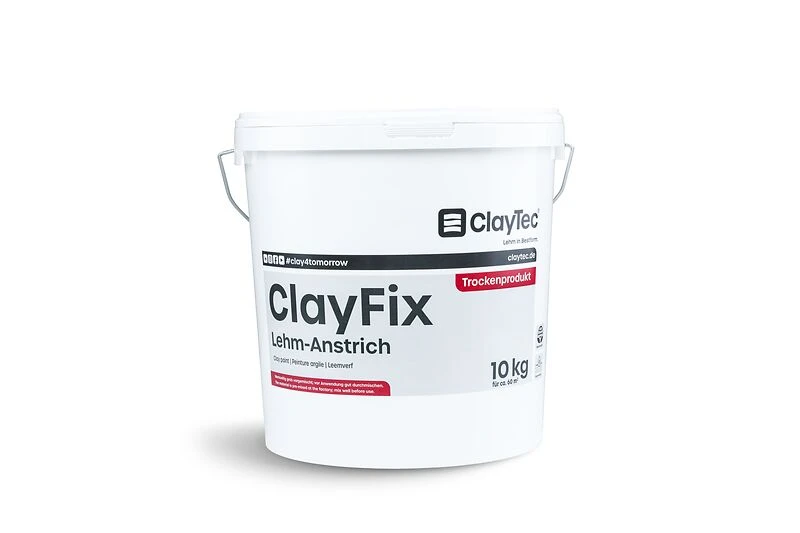
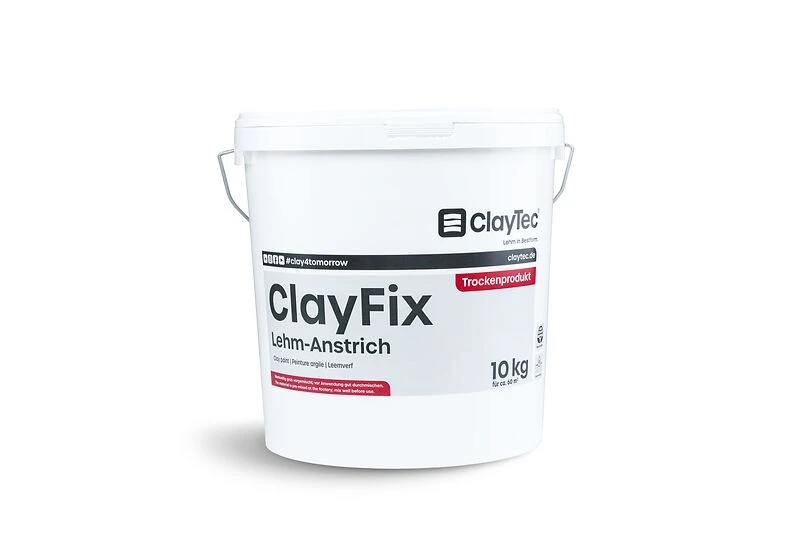
ClayFix clay coating fine grain
ClayFix clay coating fine grain from ClayTec is the clay coating with texture additive M…
from24,99 €

SKU: 19.0000.BTLWE-0| EAN: 4042356966056
Gross price incl. 19 % VAT(15,99 €/kg)
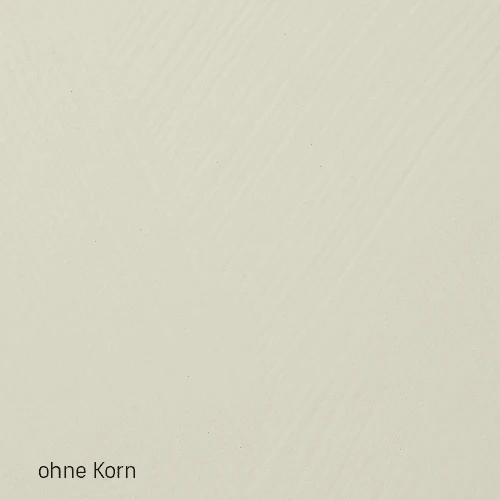
ClayFix clay paint from ClayTec is the quick clay finish for interiors: in 146 earth shades matching the YOSIMA colour palette. The paint dries slightly lighter than the YOSIMA shade. High quality in terms of building biology, solvent-free and breathable.
Clay: White
Volume discount for full pallets
Deducted automatically in the basket.
10 kg oval lidded bucket.
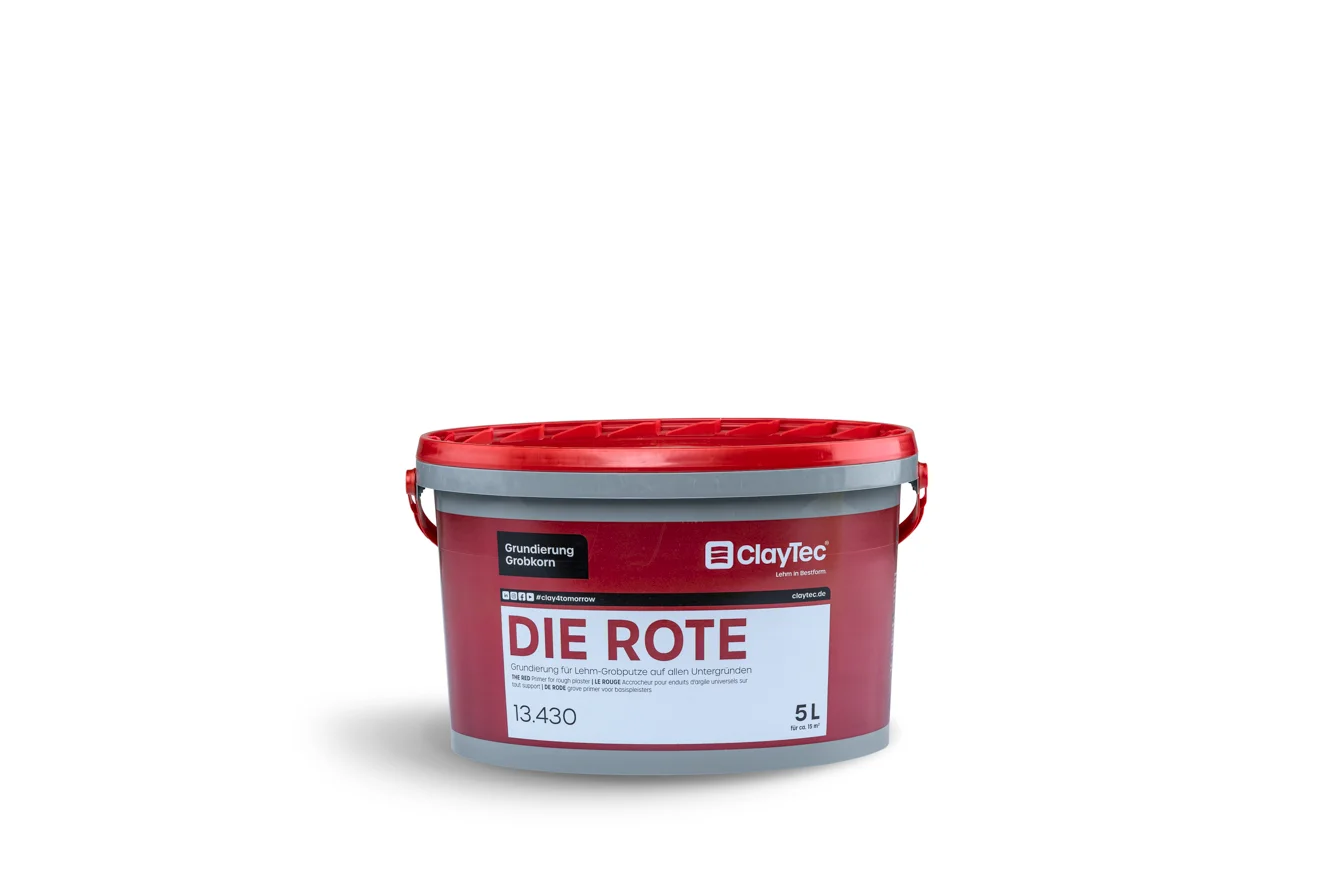
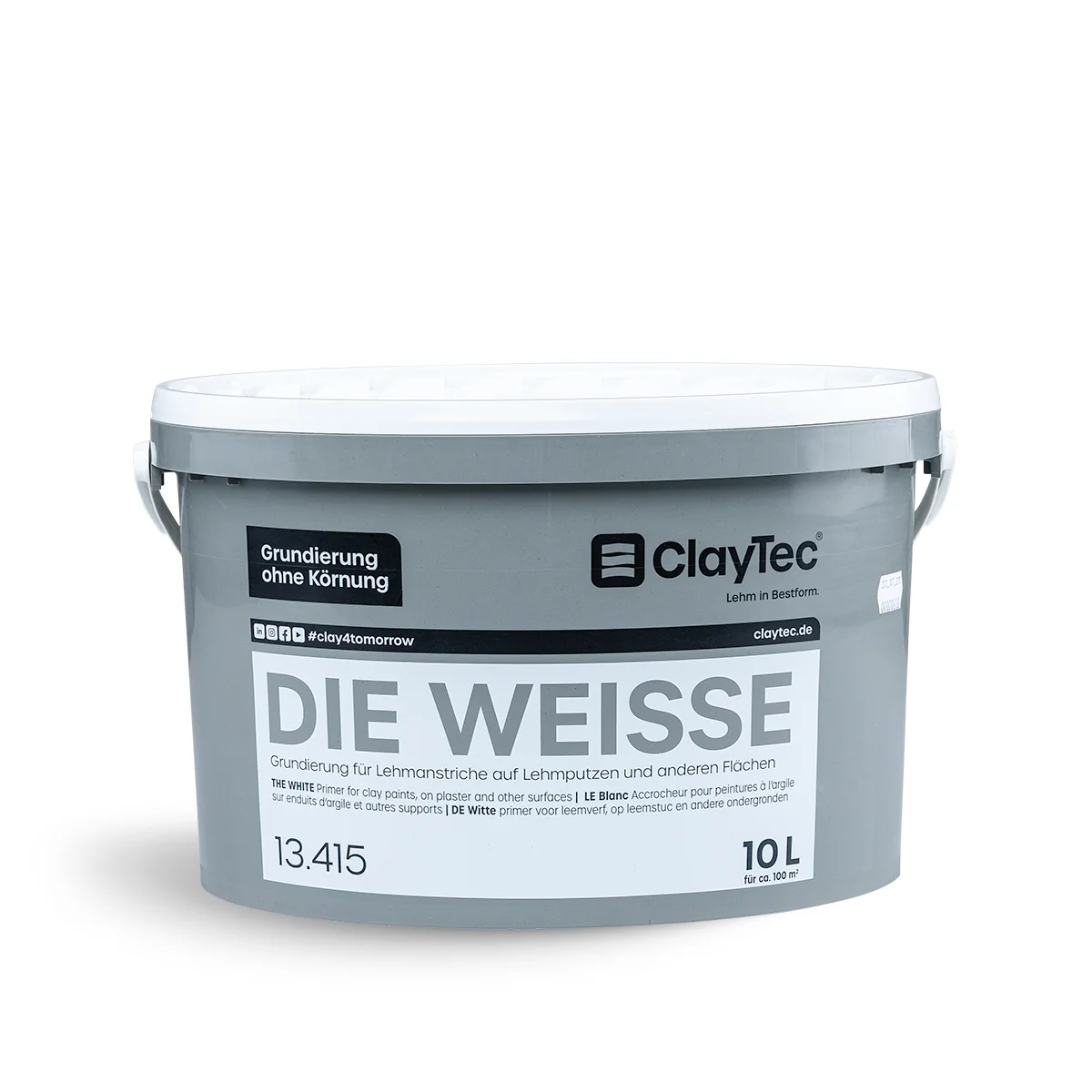
Substrate load-bearing, firm and clean. Apply quickly wet on wet in a cross pattern of lying figures of eight with an oval flat brush or a wall brush. Pulpy consistency; the coating must not drip from the brush; stir again and again. Use the roller only as an application aid. The smooth version cannot be sprayed. Substrate and room air at least 5 °C until dry; during application do not heat, ventilate or dry with a blower. Clay coating for interiors, not in splash water areas. Substrate frost-free, load-bearing, firm, sufficiently rough and clean; drywall in quality level Q3 or Q4. Fluate strongly alkaline surfaces, especially with dark, strong colours. Always pre-treat ClayTec clay plasters with primer DIE WEISSE (13.415, 13.410), and strongly or unevenly absorbent substrates as needed. DIE WEISSE also lightens dark substrates.
Dry, cool storage possible indefinitely. Close opened packs tightly.
10 kg bucket: one coat on approx. 60 m² (thick) or two coats on approx. 50 m² (thin). 1,5 kg bag: approx. 9 m² with one coat, approx. 7,5 m² with two coats. On light, well-absorbing surfaces or those pre-treated with DIE WEISSE, one coat is usually enough; depending on substrate and colour effect, two coats are needed. Coverage depends on the substrate and the tool.
Lime-fast powder pigments can be mixed carefully and evenly into the dry mix; all shades can be mixed with each other. For continuous surfaces, mix paint from several containers and avoid laps; variations in shade due to natural raw materials are possible. When wet, the second coat initially looks transparent and glaze-like; full covering power only shows after drying. Check suitability on a sufficiently large work sample.
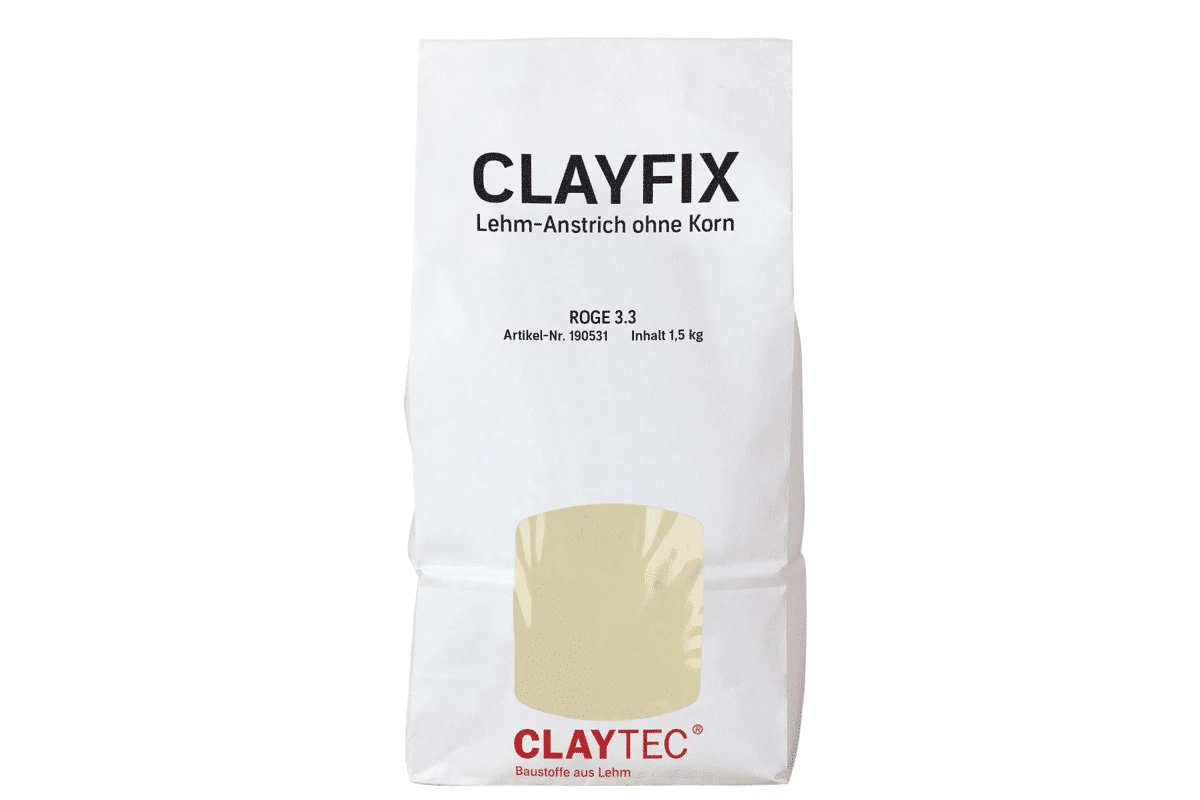
Values for the selected variant: WE 0, white, 1,5 kg bag
| Grain size | without grain |
| Product type | Clay coating smooth (without grain), interior |
| Coverage per unit | 60 m² |
| Abrasion | 0,07 g (perm. 0,20 g) |
| Wet abrasion class | 5 (DIN EN 13300) |
| Reflectance D65 | WE 0 (white): 80 | Kolumba grey: 67 |
| Shades | 146 earth shades (matching the YOSIMA colour palette) |
| Mixing | 10 kg in 10–15 l of water, 30 min resting time, work through again |
| Machine application | Not possible (only fine-grain/coarse-grain variants can be sprayed) |
| Working temperature min. (°C) | 5 °C |
| Working time | 24 hours (covered) |
| DIN standards | DVL TM 06 (clay coating) |
| Standard | DVL TM 06: Dachverband Lehm |
| Material composition | Coloured clays and loams, talc, chalk, gum arabic, saponin, cellulose fibres, methylcellulose <1% |
To go with it: my free clay building diary with drying log.
Download free of chargeFurther expert knowledge
Application technique and substrates for clay coatings are explained in the article Clay paint in interior finishing: mineral wall paint for a healthy indoor climate.
How natural wall paints influence the indoor climate is explained in the article Healthy living and a natural indoor climate: why building materials are decisive.